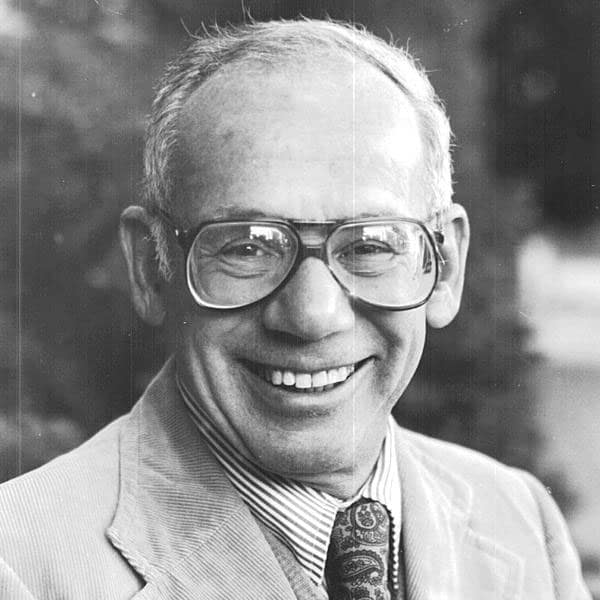
When David Mamet, the son of brilliant but emotionally abusive parents, was growing up in Chicago, his mother told him, according to The New Yorker profile of the playwright, “I love you, but I don’t like you.”
The devastating line recurs in “The Cryptogram,” and to understand the frankly autobiograph-ical play, it helps to know something about Mamet’s childhood.
In his parents’ household, “the virtues expounded were not creative but remedial: Let’s stop being Jewish; let’s stop being poor,” Mamet’s sister, Lynn, says. “There was no room for us to make mistakes.”
The fierce resentment that marked the boy’s adolescence is reflected in most of the man’s plays, in which betrayal of one form or another is a central motif.
So it is in “Cryptogram,” a short play of almost unrelieved mental and emotional combat. Donny, the mother, is betrayed first by her husband, and then by the gay family friend, Del. And both, in their way, betray Donny’s 10-year old son, John.
In turn, John, a terribly complex and potentially suicidal boy, retaliates, intentionally or not, by making his mother’s life miserable.
This synopsis sounds grimmer than it is. Mamet’s uncanny ear for the rhythm of everyday speech and domestic infighting lends a sense of familiarity, and even occasional humor, and rescue the play from potential morbidity.
We read the play before seeing the show at the Geffen Playhouse, which was probably a mistake. Mamet’s typically fragmented, overlapping, staccato dialogue can be awkward and confusing on the printed page, but it comes alive in the speech pattern and split-second timing of a well-integrated ensemble.
Under the direction of Michael Bloom, actors Ed Begley Jr. as Del, Christine Dunford as Donny, and 12-year-old Will Rothhaar as John keep the dialogue at a sharp edge and the tension unbroken throughout the 70-minute play.
It is not an easy play to confront, but its intensity and honesty carries the day.
“The Cryptogram” plays in repertory with Mamet’s “The Old Neighborhood” through Feb. 14, at the Geffen Playhouse in Westwood. For tickets, call the box office at (310) 208-5454, or Ticketmaster at (213) 365-3500.
You Can Go Home AgainBut in David Mamet’s ‘The Old Neighborhood,’ it’s a place marked by open wounds and unanswered longingBy Diane Arieff, Contributing Editor





















 More news and opinions than at a Shabbat dinner, right in your inbox.