At a time of rising antisemitism, the nonprofit Community Security Service (CSS) of security volunteers is expanding and protecting Jewish institutes from antisemites.
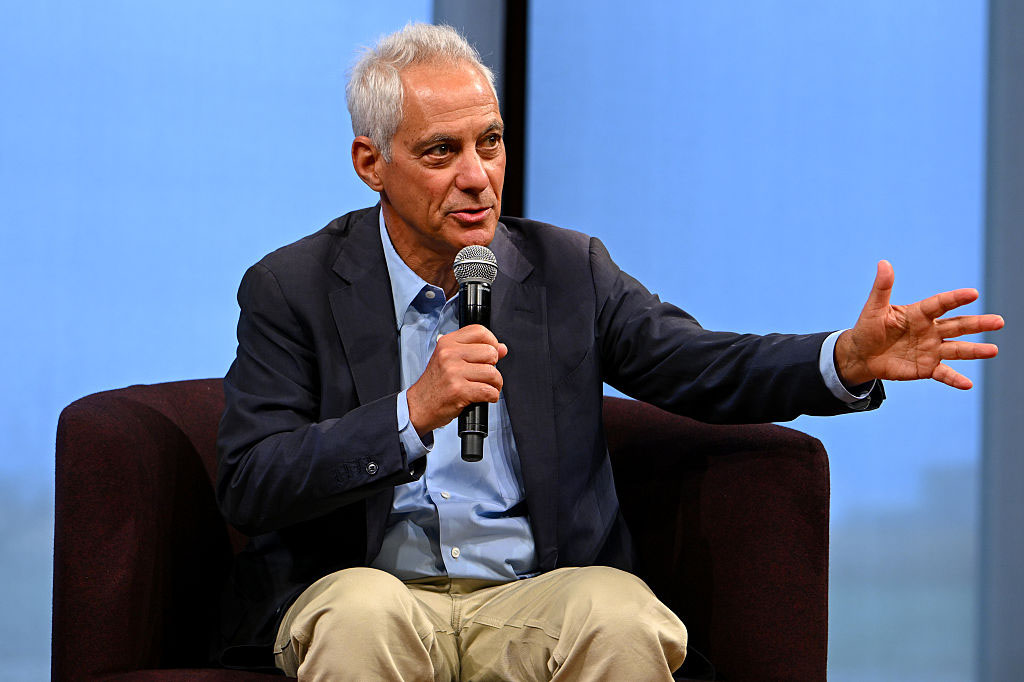
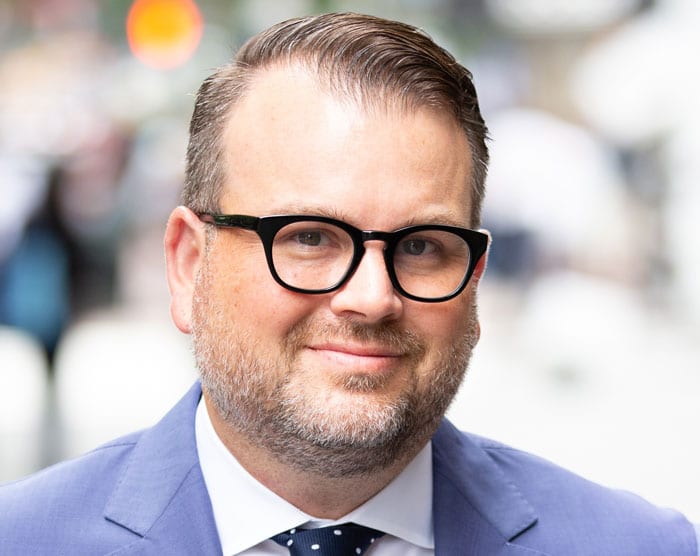
Evan Bernstein, who heads CSS, explained in a sit-down interview with the Journal while visiting Los Angeles that when he initially took over the organization in May 2020, “it was a really small organization with limited resources.” Under Bernstein’s leadership, the CSS has “made our trainings vetted by partners, and by our security council, which includes members of the FBI and Secret Service.” CSS has also built partnerships and signed memorandums of understanding (MOU) with the Secure Community Network (SCN) and the Anti-Defamation League (ADL) (Bernstein was the Vice President of the ADL’s Northeastern Division prior to being named CEO of CSS).
“We have really solidified ourselves in the New York City area,” Bernstein said. “We are expanding, we are hiring more staff. Our budget has grown eight-fold since I started … we’re looking to expand nationally.” The expansion will include “hubs in key cities” that will also cater to “smaller communities.” “If you look at the incidents that have taken place, a lot of them are small,” Bernstein said, pointing to the January hostage crisis at a synagogue in Colleyville, TX. “You need to make sure that the volunteer security model is not just in the major metropolitan areas, but we need to have hubs and then build out those hubs so we can then go out into those areas.” The three major areas CSS is looking into are New York, Los Angeles and southern Florida.
Bernstein argued CSS’s “volunteer security model” is “very unique,” pointing to the fact that CSS has “over 1,700 active people around the country doing shift[s]” in front of synagogues. “They’re able to be outside the synagogue when something happens, and then report it in real time to the ADL Center on Extremism or the SCN … and help them liaison with law enforcement,” he said.

On a recent trip to Europe––which included France, Belgium, the United Kingdom and the Netherlands––Bernstein learned that various European countries first established volunteer security services in the aftermath of the Holocaust to keep their Jewish communities safe before turning to law enforcement. In the United States, it has been the “opposite” in that Jewish institutions have been “outsourcing” security to law enforcement and private security firms, Bernstein said. “We’re kind of 50 years behind, so we’re playing catch up … but we’re still far behind where other diaspora communities are.”
CSS volunteers have already had a tangible impact on specific incidents at synagogues. One shift of volunteers in front of a New York synagogue––who were there only because private security failed to show up––implemented lockdown procedures when a vandal started throwing stones at the synagogue. The volunteers subsequently contacted law enforcement, and within 24 hours a suspect was arrested. Similarly, during a shift in front of a different synagogue of which Bernstein was a part, the volunteers noticed an individual taking photos of the synagogue during Shabbat services. The volunteers took note of the individual’s vehicle and license plate and then passed it along to law enforcement; that individual now knows they’re surveilled, Bernstein said.
“No one’s gonna care more about who’s in this synagogue than a member [of that synagogue],” he said. “It’s their family, it’s their friends, it’s their synagogue. No one’s gonna care more than a volunteer.”