– Mark, thank you so much once more for agreeing to give this short interview. What surprised me the most during my research was your involvement in numerous different projects and having lectures on numerous topics. Tell me more about it: how did you start, how do you manage it and what are the things among those which are the most important for you personally?
– I guess one reason why I’ve been involved in different projects during the past years is getting older, as I get more time to do it (smiles). Also I was never good in formal education, so when I started college in the early 70s to study theater, for me it was much more important actually to do theater. Most of what I have done was self-taught. I love teaching, I love engaging ideas. I always try to learn more. I like writing, I like having a lot of different jobs. What is very important for me is working with people. I want to help people look at themselves, to grow – whatever age they are, to examine themselves, to try to be the best person they can be. I find it in a Jewish context, but I think it’s universal as well.
– I see you have been involved in different things from young age. Was it always connected with Judaism?
– Not necessarily. Well, definitely I went to the direction of the 60s in terms of the music, in terms of the drugs, in terms of culture and lifestyle. I didn’t do anything “Jewishly” per se, but I always though that the part of me trying to strive to be a good person came from my Jewish roots. I got then more involved as I started teaching, I got the opportunity doing theater and Jewish education, I kind of weaved a bit into different worlds.
– Also I know that you give lectures on many very different topics. So do you have any rules or factors which determine the topic?
– No, I’m just talking on topics I am interested in. So, speaking about sex is good, but for example I wouldn’t speak about things I am not confident in or don’t have enough knowledge about. I draw my personal background; I’m trying to bring the ideas which are really important, and I’m pretty opened in my opinions.
– How do people usually perceive topics like the one we had today, meaning for example sexual topics, which can be perceived in different ways?
– Usually pretty open. I try to start with some humour at the beginning. It also depends if I work with younger ages or if I feel that people are anxious to get all the things right at the beginning: I’ve done such things where I give them markers and put a big piece of paper on the wall, and write things like ‘breasts’, ‘vagina’, ‘penis’, ‘sexual intercourse’, and get them write down any other words they know related to those things, just to get that all ‘out of the table’. Then I read it out loud and everyone laughs and giggles. I think that humour is extremely important for people and that’s something they want to hear.
– Do you feel that some topics of your lectures evoke a lot of interest and debates, while others are not that attractive for the audience?
– It’s a good question. I guess that for me as a teacher what I am looking for is the engagement of ideas, and I really strive that every session I do, no matter what the topic is, somehow goes into an individual – otherwise I waste your time. I don’t want to talk about something flat, two-dimensional; I really want to be living and breathing. No matter if something happened a thousand of three thousand years ago, or if it is a myth of legend, but if it doesn’t go into an individual, to something which makes meaning for me, then I feel as if I have wasted one or two hours.
– I know that you give a lot of lectures in Eastern and Central Europe. What is your personal connection to that region?
– I was offered to work in Eastern Europe so that to help in development by organization called JDC, Joint Distribution Committee, and they sent me to do a leadership training to a lot of places. It was not that much of doing tours, but more about working with a Jewish community here, to bring ideas, to help empower them, to run own communities in Eastern in Central Europe, to give them necessary skills, like public speaking, or giving them information about the past. So it just worked out work-wise, and I am fascinated and feel very comfortable in here. I don’t feel as comfortable in America where I am from. I feel very at ease in Europe.
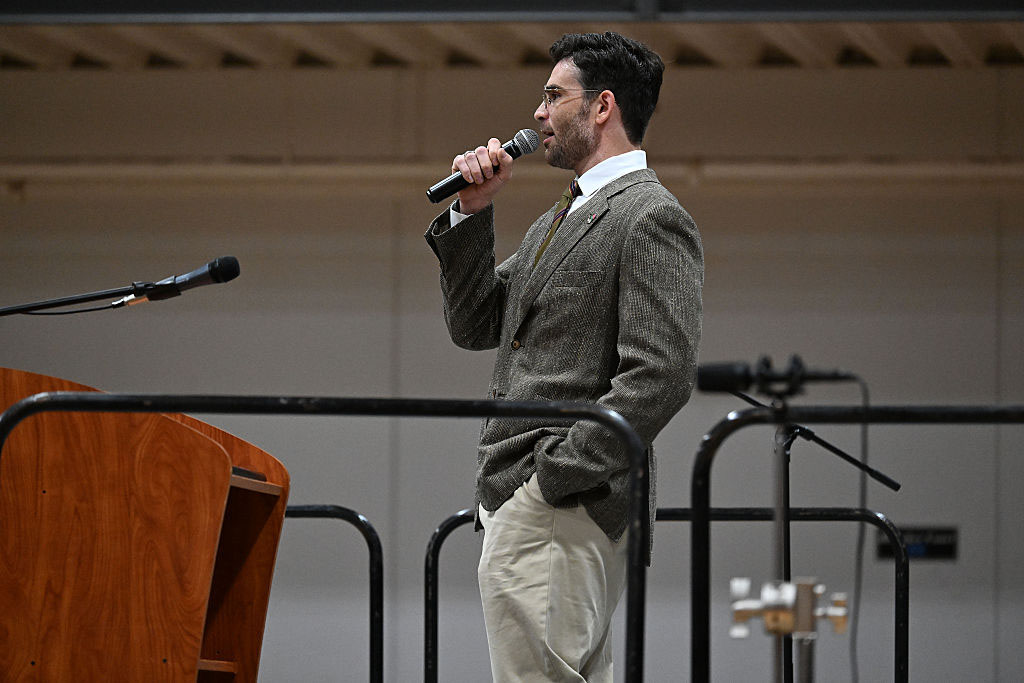
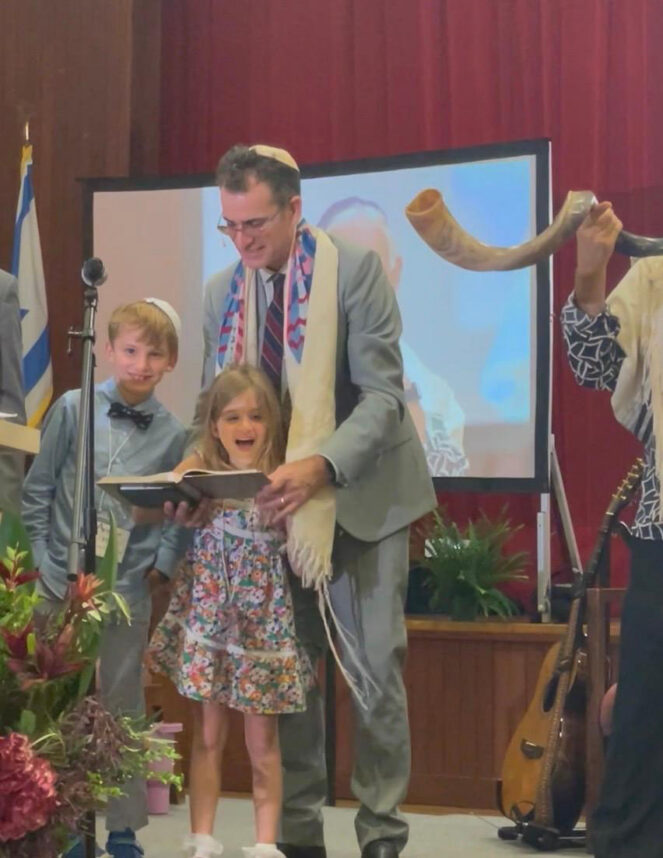
Mark Lazar (57) is a Californian-born travelling lecturer currently based in Jerusalem with more then 35 years of experience in seminars and workshops on topics related to Jewish culture, ethics, history etc. He is also an active contributor to numerous different Jewish projects.