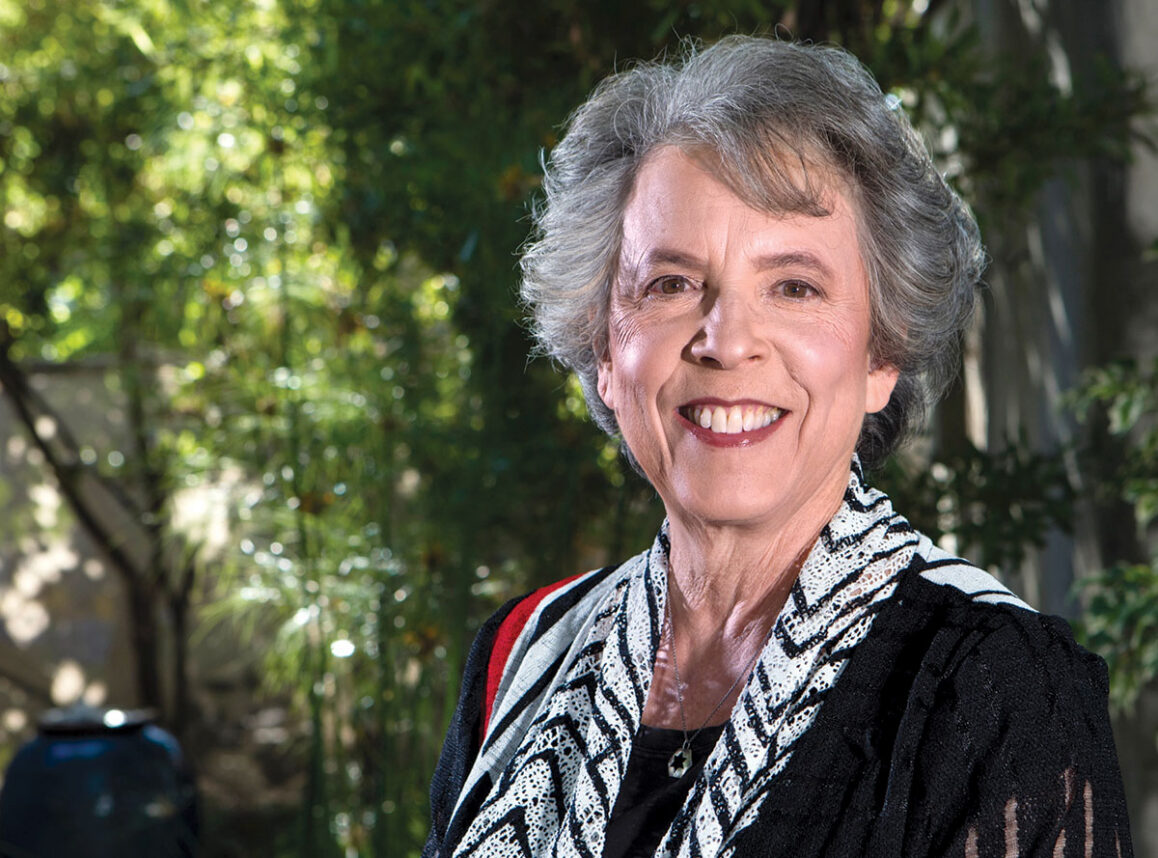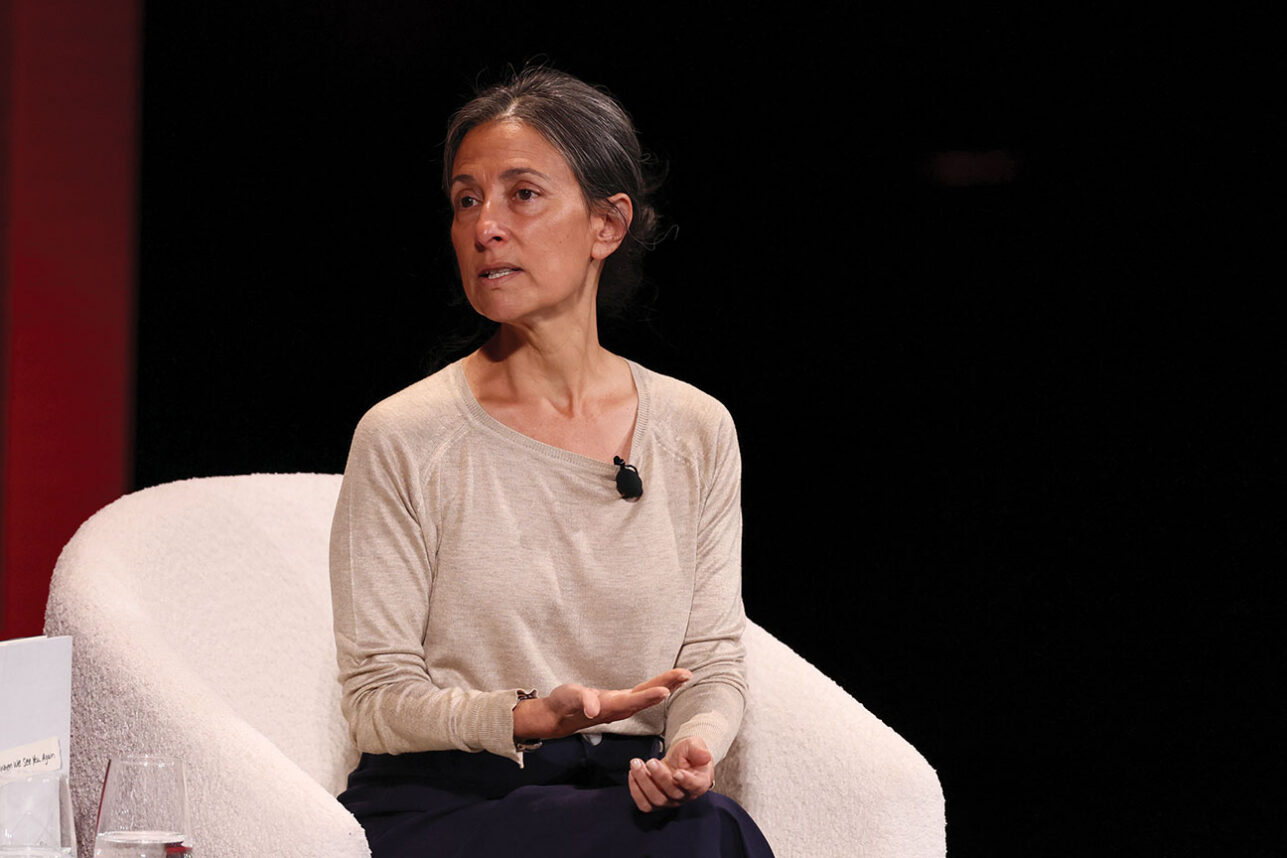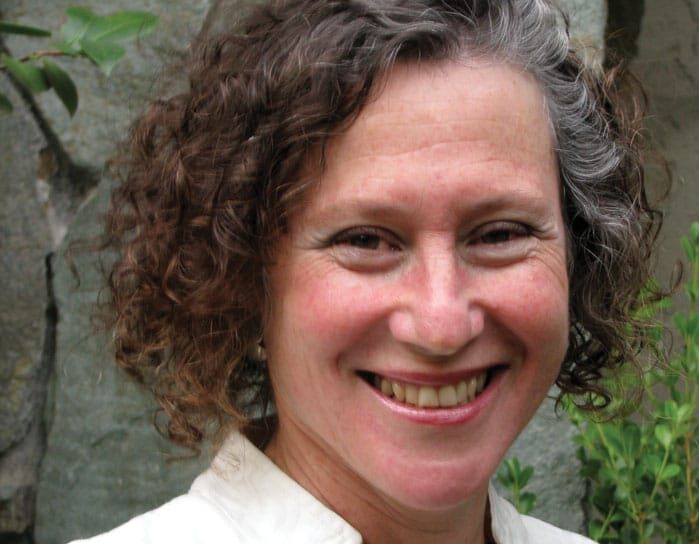
Rabbi Malka Mittelman, a remarkable woman whose light touched the lives of many, passed away on Yom Kippur, September 25, 2023. Family and friends gathered at Burbank Temple Emanu El on Sunday, Oct. 1 to honor and remember a woman whose enduring legacy will forever be cherished.
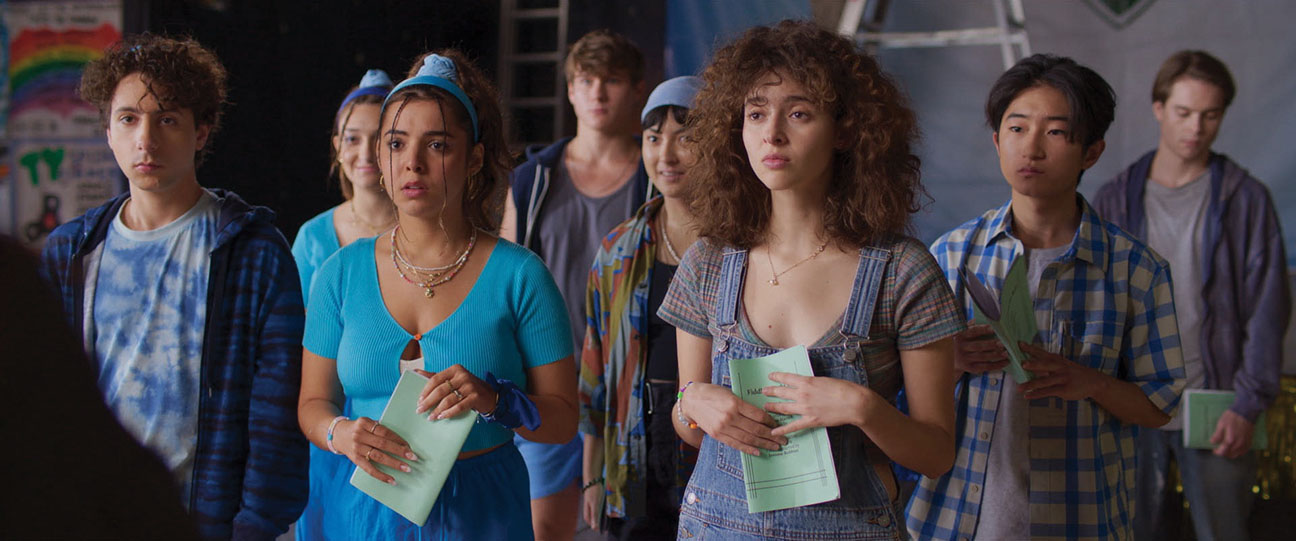
Malka was born in 1955 in the San Francisco Bay area to Maya Molner and Irwin Mittelman. She earned her BA at UC Berkeley after attending Brandeis University, and her career path initially led her to the entertainment world. As a film editor she contributed to numerous movies, including the original “Teenage Mutant Ninja Turtles” and “Poison Ivy.”
However, her true calling came in 2006 when she realized her dream of becoming a rabbi and enrolled at the Academy of Jewish Religion. That year she also met her second husband, Cantor Danny Chodos.
At the memorial ceremony, Chodos spoke lovingly about the day the two had met. “I met Malka in an adult class I was teaching at Sinai Temple Glendale,” he said. “She sat to my left and flashed that ineluctable smile. Malka? Really? I said, ‘Really,’ she answered. And then she explained, ‘I’m Gina, but Malka is also on my birth certificate, and I’m becoming a rabbi.’”
He explained that Gina is Regina and it means queen, and Malka means queen in Hebrew; her parents contrived to have both words on the certificate.
“She wanted me to be sure it wasn’t an affectation, which she knew was why I asked,” Chodos said. “A few months before we were married, Malka calculated our respective gematria (numerology). That’s the numeric value of the letters in a Hebrew words: Daniel and Malka – they’re the same: 95. Our union was bashert – a union predestined in heaven. Our wedding invitation had the numbers nine and five in a repeat pattern bordering the text. And it became our private code.”
After they got married 12 years ago, Malka and Danny co-founded B’nei Mishkan, a transdenominational service dedicated to sharing and celebrating Jewish traditions with others. Malka’s profound impact extended to her 18-year tenure as a rabbi and spiritual care counselor at Skirball Hospice, where she provided comfort and guidance to countless individuals facing illness, the end of life, and bereavement. Her life was a testament to kindness, love and boundless compassion.
“Malka was many things. She was, first of all, a dancer,” Chodos told the 150 people who filled Burbank Temple Emanu El. “Her grace of movement matched her beautiful person and her beautiful heart. As a young woman in the Bay Area, she danced with the famous post-modernist Anna Halprin. And all her life, she found solace and expression in movement and breath. When I had been doing Tai Chi for three years or more, she joined our group one evening, and never before having practiced the form, she picked it up in moments, as if she had been doing it all her life.” Chodos remembered his wife as an artist “with an infallible eye for beauty and truth” who took after her mother, a painter. She practiced yoga, meditation, shamanism, entheogenics and she was certified by Yogi Bhajan to teach Kundalini Yoga. She also underwent training in mindfulness meditation with Tara Brach and Jack Kornfield, and she held qualifications as a chaplain, completing two years of intensive clinical pastoral education.
“Malka was driven by an unshakeable desire to make the world a better place. She worked tirelessly with city agencies to assist the homeless and impoverished, and she championed the Homeroom Project, aiming to intervene in the lives of troubled youth before they could turn to violence, providing them with help and healing.” – Danny Chodos
“Malka was driven by an unshakeable desire to make the world a better place,” Chodos said. “She worked tirelessly with city agencies to assist the homeless and impoverished, and she championed the Homeroom Project, aiming to intervene in the lives of troubled youth before they could turn to violence, providing them with help and healing.”
According to Jewish belief, one who dies on the High Holy Days is considered a “tzadik,” a title given in Judaism to people considered righteous. “Malka showed all the signs,” Chodos said. “A lifelong commitment to good deeds coupled with a nagging self-doubt that only a true tzadik can have. “
Malka is survived by her loving husband Danny, her sons Daniel and Noah Stubblefield, her brother Jonathan Mittelman, her nephews David and Daniel Mittelman, her grandnephew Eugene Mittelman and her grandniece Hannah Mittelman.