fbpx
[additional-authors]
September 19, 2017

Wednesday, September 20 (evening) to Friday, September 22

BACKGROUND

Rosh Hashanah, which means “head of the year,” is the Jewish New Year. According to tradition, it is the day God created Adam and Eve, and it occurs at the beginning of the Jewish month of Tishrei. The holiday represents the beginning of the Days of Awe, or the 10 Days of Repentance, which end with Yom Kippur. It is taught that Rosh Hashanah has an influence over our whole year, as it is when God decides our fates for the coming year.

TRADITIONS

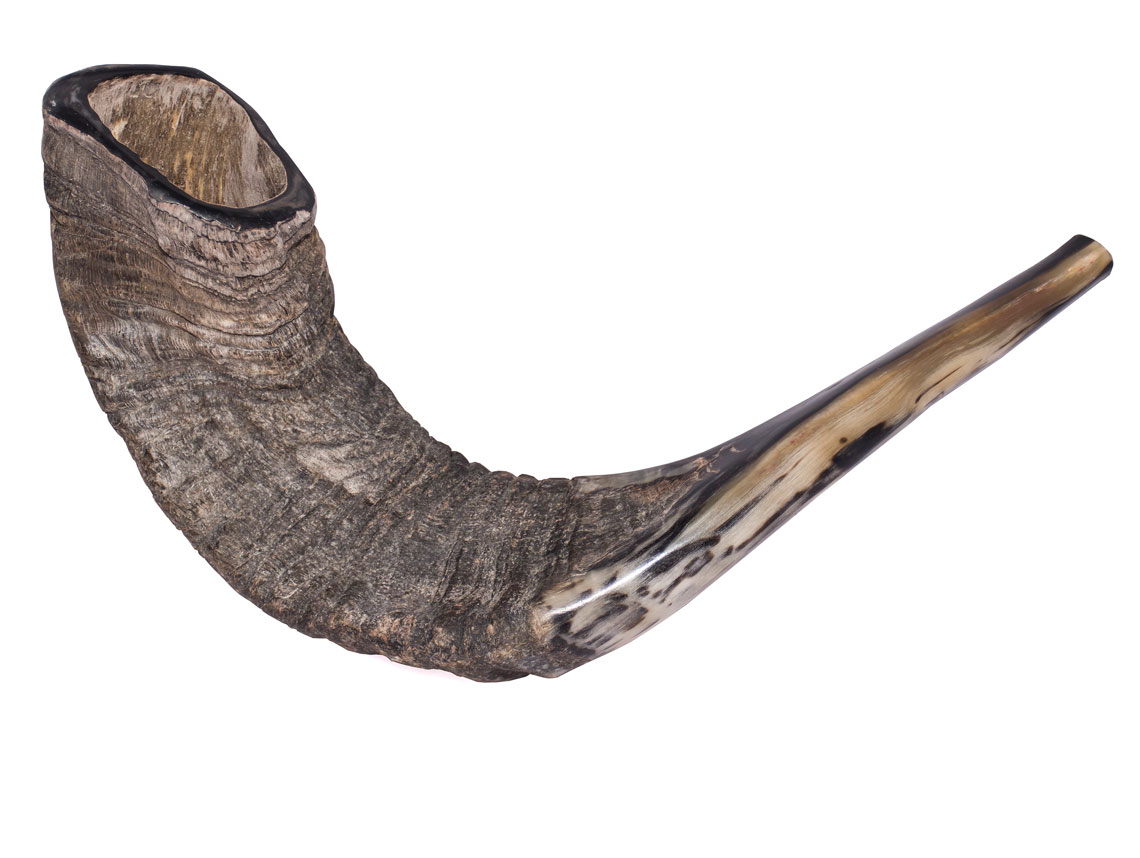
A central practice of Rosh Hashanah is the sounding of the shofar, or ram’s horn, which we are required to hear during prayer services. Its blast acts as a call for repentance.

A custom called tashlich, which comes from the word “to cast,” typically is performed on Rosh Hashanah at a body of water. It often involves tossing crumbs into the water, representing our sins from the past year. Prayers and appropriate verses are recited.

Special greetings for the holiday include, “L’shanah tovah tikatevu v’tichatemu” (May you be inscribed and sealed [in the Book of Life] for a good year) and “G’mar chatimah tovah” (A good final sealing [in the Book of Life]).

SPECIAL FOODS

A number of symbolic foods are consumed during the festive holiday meals. The most well known probably are apples and honey, which represent wishes for a sweet new year. Pomegranates are eaten because, according to rabbinic tradition, they have 613 seeds, corresponding to the number of commandments in the Torah. Round challahs symbolize the cyclical nature of the years. Some Ashkenazi Jews place a fish head on the holiday table — replaced by a cow tongue by some Sephardic Jews — in the hope that God will make us “the head, not the tail” in the coming year.

Sources: Chabad.org, My Jewish Learning, The Spruce

Did you enjoy this article?
You'll love our roundtable.

Editor's Picks

Latest Articles

In a Pickle– A Turshi Recipe

Tangy, bright and filled with irresistible umami flavor, turshi is the perfect complement to burgers, kebabs and chicken, as well as the perfect foil for eggs and salads.

Who Knows?

When future generations tell your story and mine, which parts will look obvious in hindsight? What opportunities will we have leveraged — and decisions made — that define our legacy?

You Heard It Here First, Folks!

For over half a decade, I had seen how the slow drip of antisemitism, carefully enveloped in the language of social justice and human rights, had steadily poisoned people whom I had previously considered perfectly reasonable.

Trump’s Critics Have a Lot Riding on the Iran Conflict

Their assumptions about the attack on Iran are based on a belief in the resilience of an evil terrorist regime, coupled with a conviction that Trump’s belief in the importance of the U.S.-Israel alliance is inherently wrong.

Me Llamo Miguel

With Purim having just passed, I’ve been thinking about how Jews have been disguising ourselves over the years.

The Hope of Return

This moment calls for moral imagination. For solidarity with the Iranian people demanding dignity. For sustained support of those who seek a freer future.

Stranded by War

We are struggling on two fronts: we worry about friends and family, and we are preoccupied with our own “survival” on a trip extended beyond our control.

Love Letters to Israel

Looking around at the tears, laughter, and joy after two years of hell, the show was able to not just touch but nourish our souls.

Neil Sedaka, Brooklyn-Born Hit-Maker, Dies at 86

Neil Sedaka was born March 13, 1939 in Brooklyn, New York, the son of Mac and Eleanor Sedaka. His father was Sephardic and his mother Ashkenazi; Sedaka was a transliteration of the Hebrew “tzedakah.”

More news and opinions than at a Shabbat dinner, right in your inbox.