January marks the month in which we commemorate the death of beloved Jewish musician, Debbie Friedman. I am deeply touched by her canon of liturgical compositions. Most notably, her misheberach, her prayer for healing, provides a space for pain to be expressed and courage to be accessed.
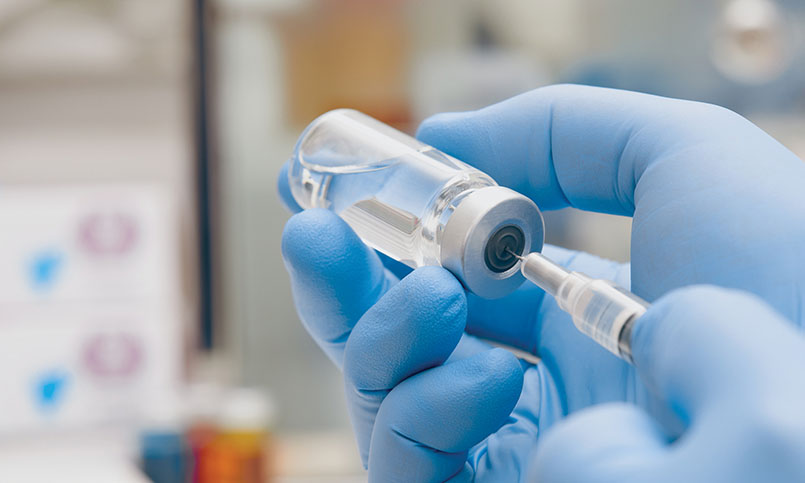
In rereading her piece of liturgy, I began to seek out other texts of healing. The questions that surfaced were, “What is the definition of healing? In which ways do I heal others and in which ways do I need healing?” Through study, I discovered that healing in a Jewish lens may be offered through the avenues of prayer, presence, medicine, and respecting someone’s privacy/boundaries. There doesn’t seem to be one definition of healing; but rather, the “healer” reads the person, situation, and environment to determine which ways they are needed…or not.
The Talmud (Bava Metzia 30b) explains that when a ben gilo (a contemporary of the person who is ill) visits, it is as if he has taken away 1/60th of his illness. The Talmud reminds us that while someone who is ill may appreciate a call from the rabbi or another authority figure, one of the greatest connections may occur when you visit someone who is in your similar stage of life. This kind of visitor may offer a certain kind of empathy.
I remember the weeks after the birth of our first child. When people would ask how I was, I would respond, “I’m great. The baby is amazing.” But inside, I was exhausted from lack of sleep. Not understanding every cry or cue from my child, I often felt as if I was failing but that wasn’t something I was willing to admit. One afternoon, a friend came to the door, and she wouldn’t “buy” my act. I looked at her and started to cry. Wordlessly, she took my daughter from my arms, ordering me to shower. She understood. I wasn’t journeying motherhood alone. Her comfort was exactly what I needed.
Offering healing involves a sense of vulnerability and an open heart. May we find ways to heal and be healed. As Debbie Friedman implored, “Bless those in need of healing with r’fuah shleimah; the renewal of body, the renewal of spirit, and let us say, Amen.”
Shabbat Shalom
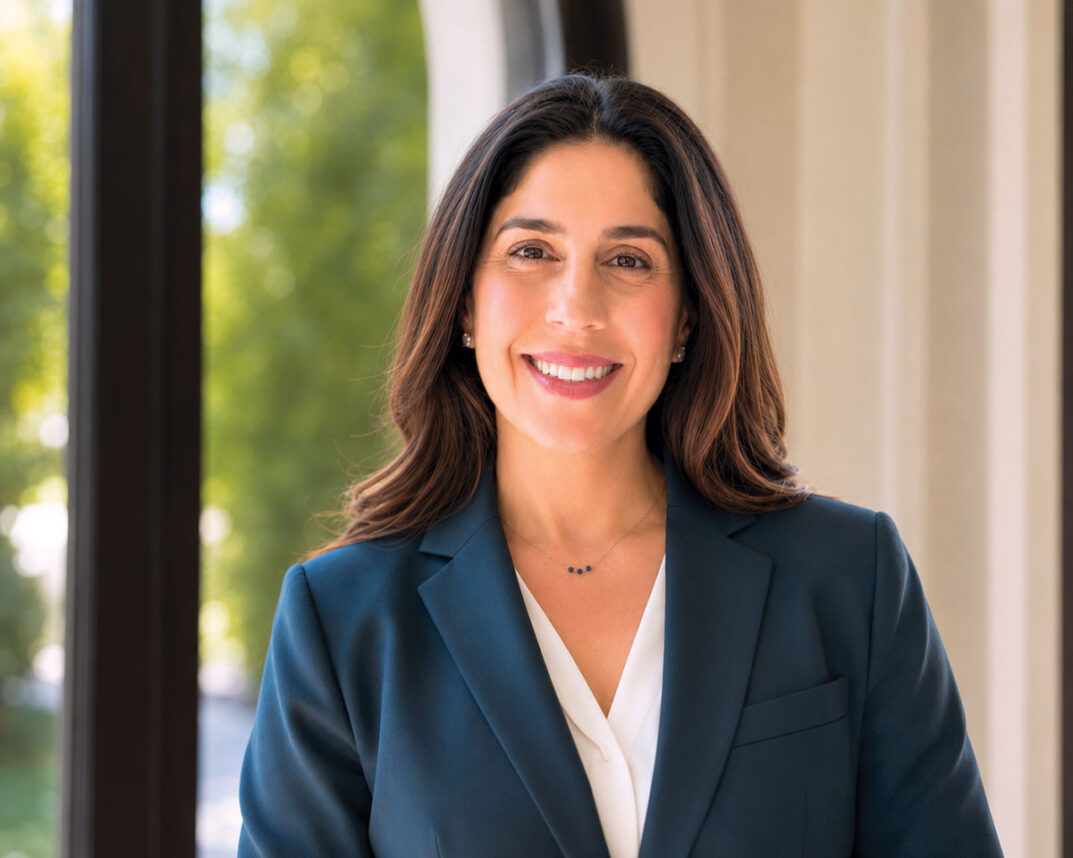
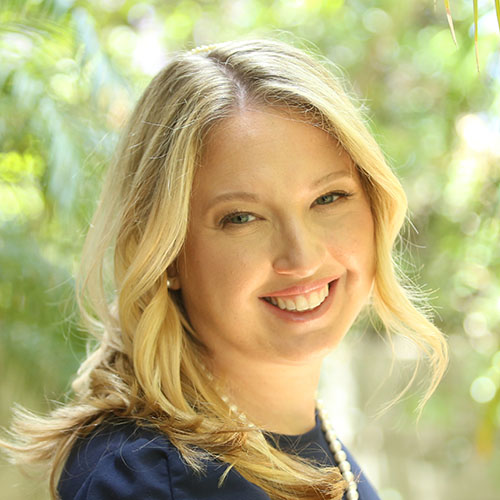
Rabbi Nicole Guzik is a rabbi at Sinai Temple. She can be reached at her Facebook page at Rabbi Nicole Guzik or on Instagram @rabbiguzik. For more writings, visit Rabbi Guzik’s blog section from Sinai Temple’s website.