Another memorial day has been added.
Tisha B’Av is the oldest — but certainly not the first.
What was, I wonder?
The first anniversary of the Akeidah, maybe. I imagine Isaac and Sarah huddling together, remembering the trauma, the fit that seized Abraham. The crazed look in his eyes, holding a knife above the head of the very son he’d prayed for.
Or maybe it was Noah and his family, gathering one year after the flood, remembering everything — and everyone — they had lost.
Or Adam and Eve, silently mourning Abel, their son murdered at the hands of his brother.
The Torah doesn’t tell us how our earliest ancestors marked the anniversaries of their losses.
But history does.
Historians tell us that after the Crusaders, on their way to liberate the Holy Land, ravaged Jewish communities in Speyer, Worms, and Mainz, those communities created memorials to mark the anniversaries of the slaughter. Yizkor prayers composed in the wake of those massacres became part of the traditions of Jewish remembrance that continue to this very day.
In the wake of the ultimate horror, two days of memory emerged: International Holocaust Remembrance Day, observed on January 27, the day Auschwitz-Birkenau was liberated by the Soviet army; and Yom HaShoah VeHaGevurah — the Day of Remembrance of the Holocaust and the Heroism — commemorated on the 27th of Nisan, its date chosen in connection with the Warsaw Ghetto Uprising of 1943. And on the Jewish calendar, Yom HaShoah comes just eight days before Yom HaZikaron, followed immediately by Yom HaAtzmaut — a powerful arc from destruction to sacrifice to rebirth.
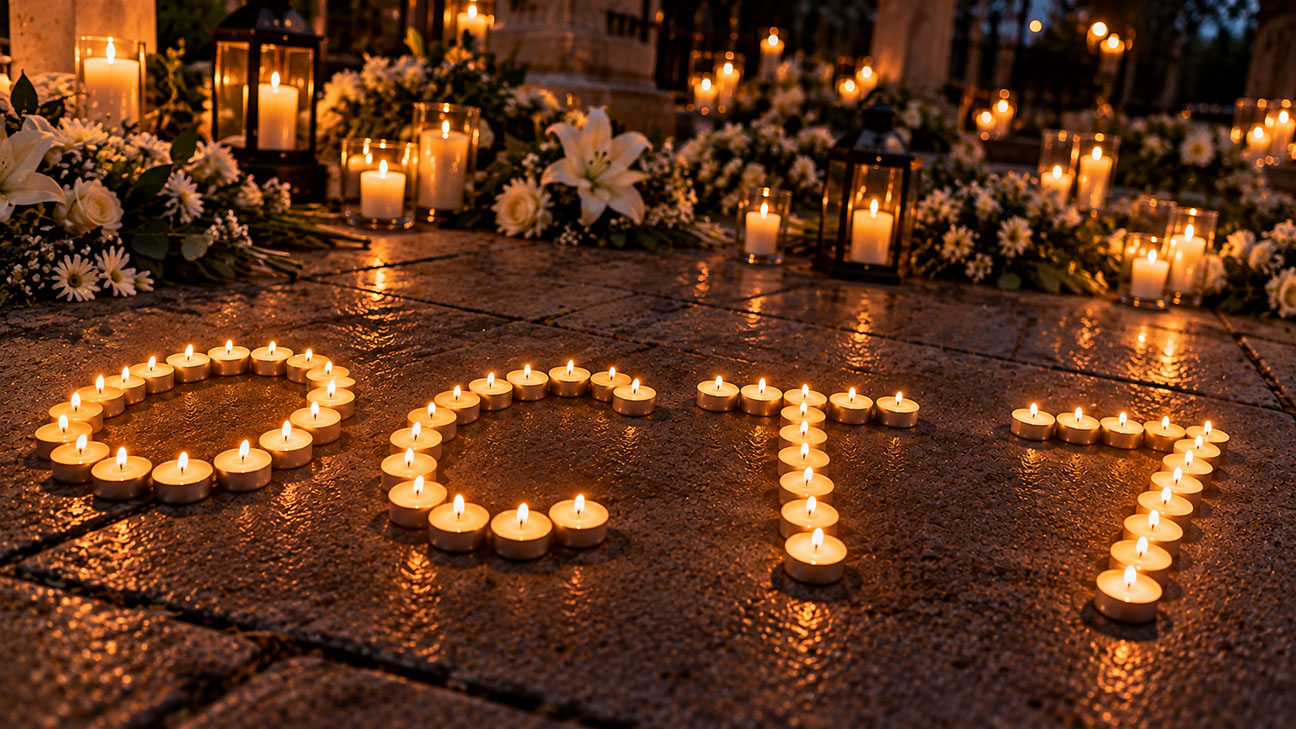
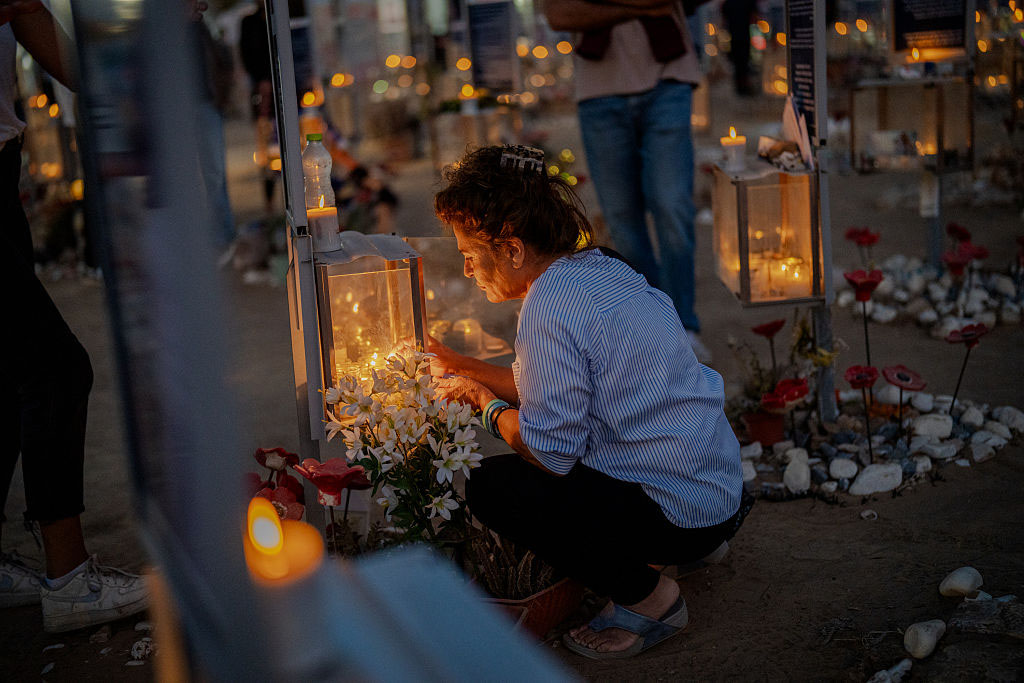
Now another day of mourning: Shivah b’October — the seventh day of the month of October, a day of darkness and pain, tragedy and trauma.
We are still figuring out how to remember it.
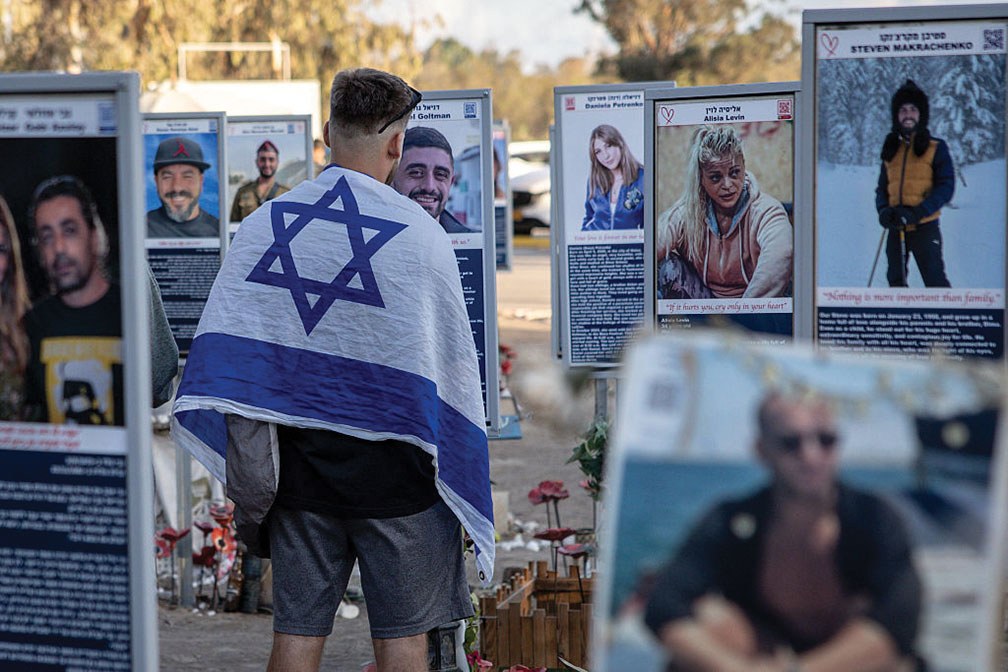
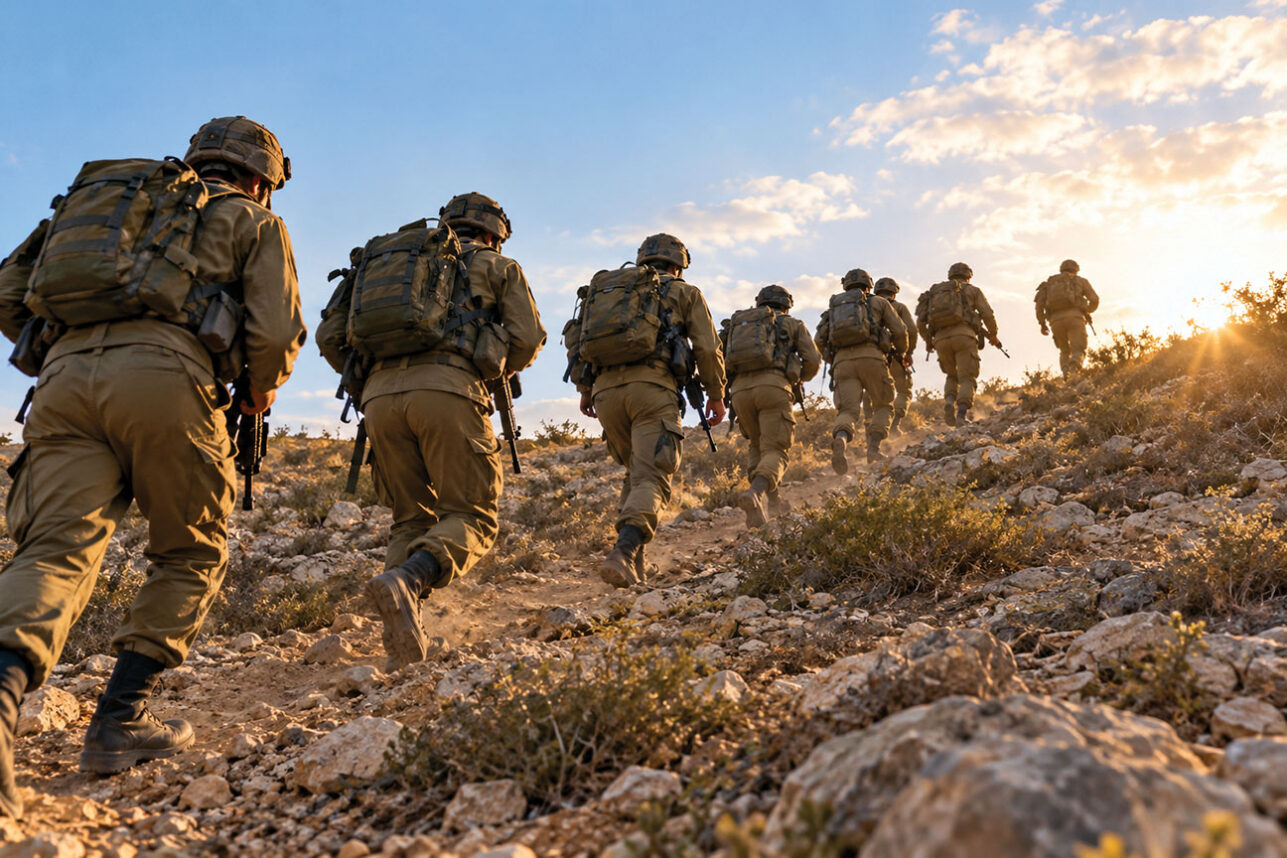
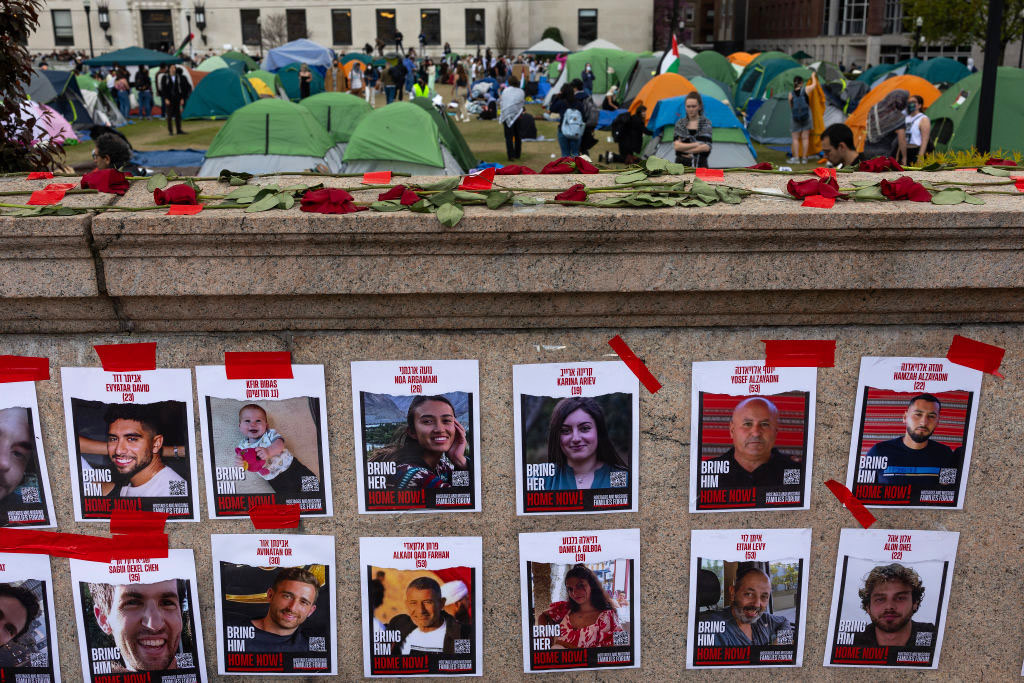
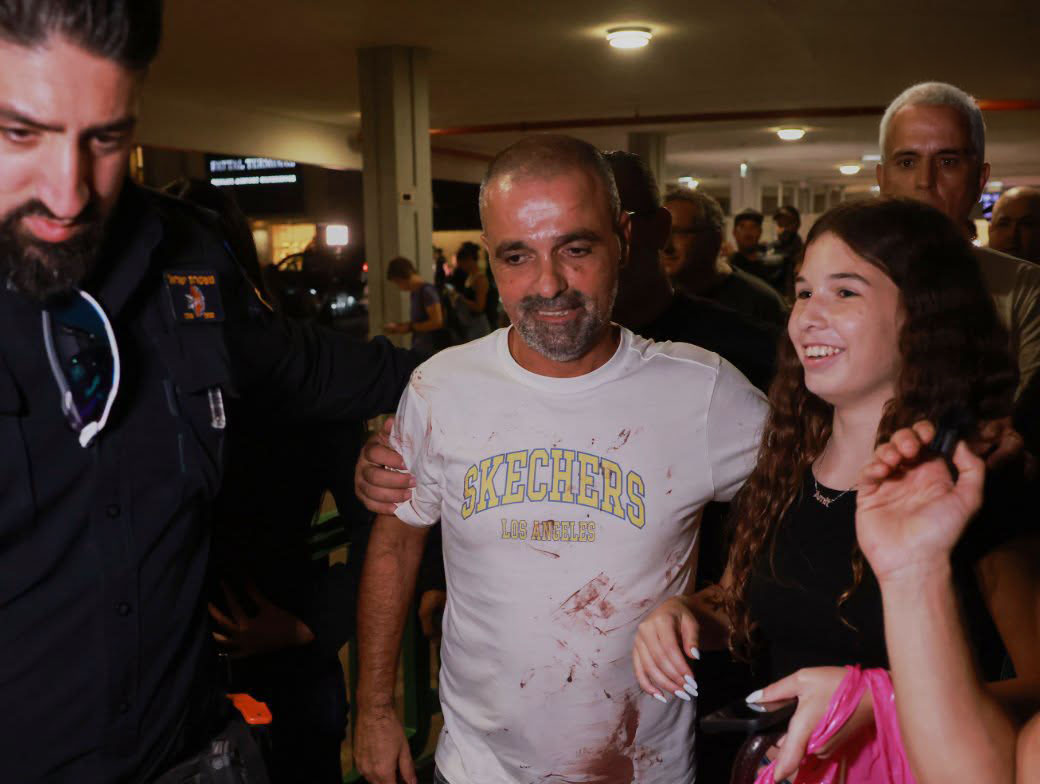
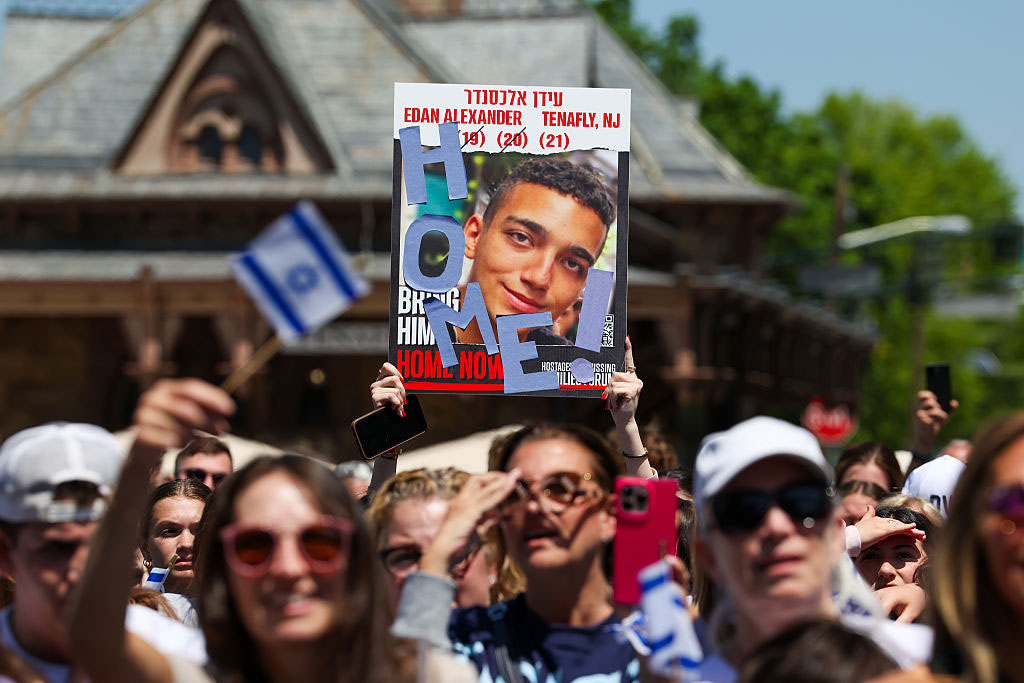
There are countless videos and photographs, personal testimonies and memorials: to those who were murdered, tortured, and raped; to those who fell valiantly fighting to bring home the stolen; to those who died defending their families.
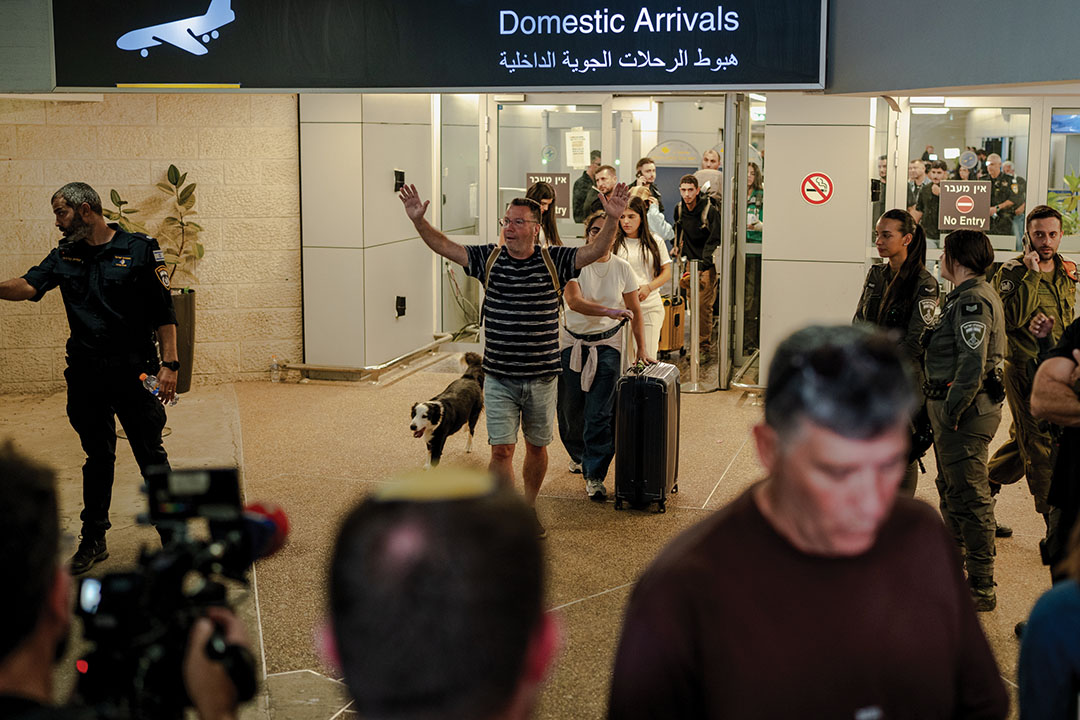
This is the first October 7th since the last remaining hostages came home.
But closure? Not even close.
The pain of that day is seared into our hearts. And its consequences? We will be living with them for years, maybe decades, to come. Rising antisemitism and the demonization of Israel from without. Finger-pointing, political infighting, unresolved anger and loss from within.
Here we are, left with our questions, our loss, our trauma, our pain.
How could this have happened? How do we rebuild? How can we ensure our own safety and, at the same time, maintain compassion for innocent Palestinians who have been failed repeatedly by their leaders — among them children who bear no responsibility for the failures and hatreds that preceded them?
This year, the secular calendar and the Jewish calendar come together, and our commemoration of October 7 falls right before Shabbat Bereishit, the Sabbath on which we begin reading our Torah again.
And right there, in the third verse of the first chapter, there is hope:
וַיֹּ֥אמֶר אֱלֹהִ֖ים יְהִ֣י א֑וֹר וַֽיְהִי־אֽוֹר׃
God said, “Let there be light”; and there was light.
God didn’t want there to be only darkness, so God created light.
And then we read:
וַיַּ֧רְא אֱלֹהִ֛ים אֶת־הָא֖וֹר כִּי־ט֑וֹב וַיַּבְדֵּ֣ל אֱלֹהִ֔ים בֵּ֥ין הָא֖וֹר וּבֵ֥ין הַחֹֽשֶׁךְ׃
God saw that the light was good, and God separated the light from the darkness.
The light is good. It drives away the darkness. It brings clarity.
And yet it will never be only light. There will be darkness, too. There will be moments of darkness and forgetting, the terror and incoherence of the night.
But there is light.
And even as we mourn everything we’ve lost, even as we confront human depravity we will never be able to wrap our minds around and unimaginable pain, let us also remember the moments of hope and healing — moments that restore our faith in humanity’s promise.
The brave heroes who ran into the abyss trying to save lives: from IDF reservists who sprang into action to the Bedouin bus driver who saved more than 30 Nova survivors on that fateful day.
The everyday heroes — social workers, occupational therapists, psychologists — who are helping survivors rebuild their lives.
The allies who, in the face of unforgiving algorithms and hate bots, stand up for us and stand with us.
There is so much light.
And God knows — and we know, too — that the light is good.
On this Shabbat after our new day of mourning, let us give thanks for the light that remains. And then let us rise up with strength and courage to push back against the darkness and bring more light into our world.
Yehi or. Let there be light.
Rabbi Yoshi Zweiback is the senior rabbi at Stephen Wise Temple in Los Angeles.