BACKGROUND
Lag B’Omer is a minor holiday that falls on the 18th of Iyar, the 33rd day of the Omer. Tradition teaches that for 49 days between the second night of Passover and Shavuot, we are to count the Omer — a measure or sheaf of barley; in ancient times, offerings were made at the Temple in Jerusalem. The “Lag” in the name of the holiday comes from the Hebrew letters lamed and gimmel, whose numerical value is 33.
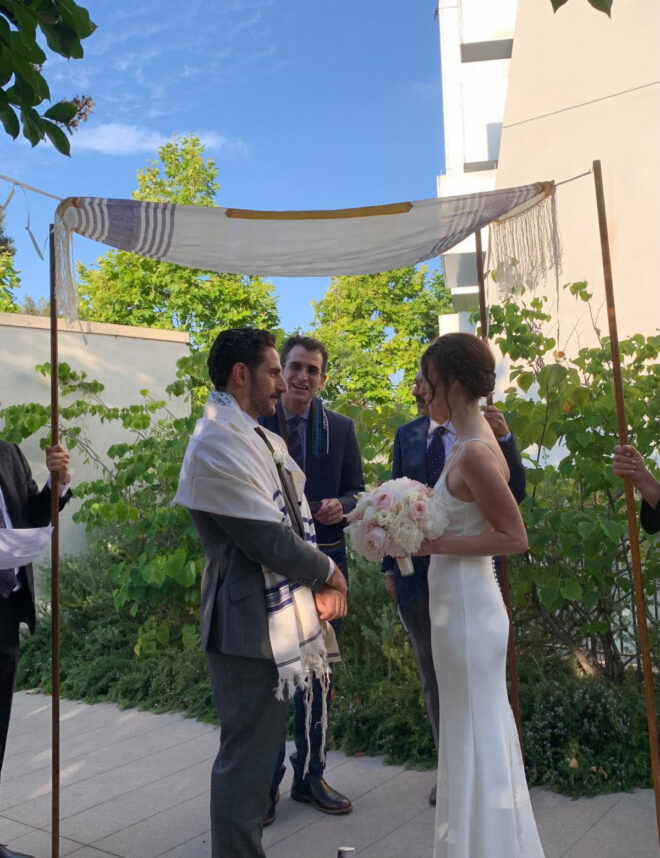
While the historical inspiration for the holiday is unclear, some say it marks the end of an ancient plague afflicting thousands of students of Rabbi Akiva in the first century C.E. because they did not treat one another with respect. To celebrate the plague’s end, this day is the only one of the 49 when weddings, haircuts and playing musical instruments are permitted.
Another explanation is that it marks the anniversary of the death of one of Rabbi Akiva’s students, Rabbi Simeon bar Yochai, who defied Roman rulers and, legend has it, fled to a cave to survive. Some say that the rabbi wrote the Zohar, the foundation of the kabbalah.
TRADITIONS
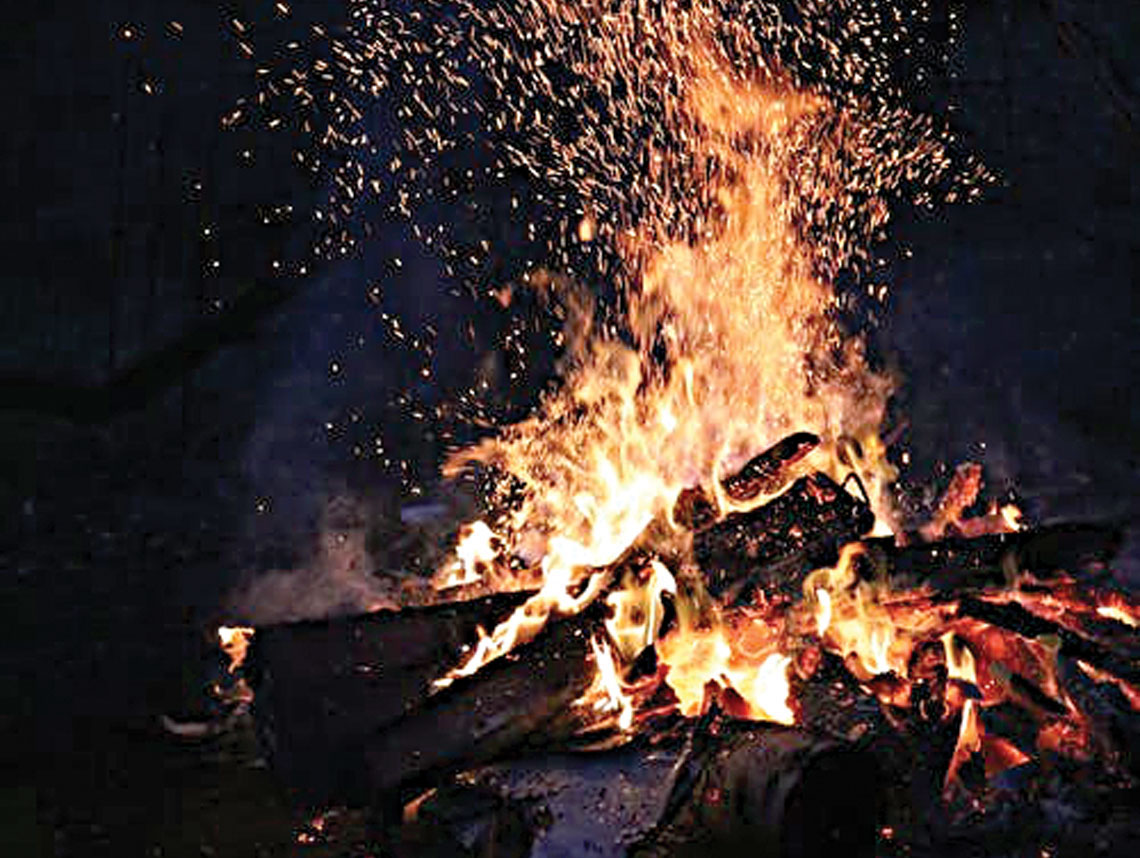
On Lag B’Omer, we light bonfires to signify the burning light of the Torah and as a symbol of Rabbi Simeon bar Yochai and the Zohar, which translates to “radiance.” Some Jews travel to the northern Israeli village of Meron, where the rabbi is buried, to sing and dance all day long. Children play with bows and arrows, some say to symbolize teaching that there were no rainbows in the sky during the sage’s life.
SPECIAL FOOD
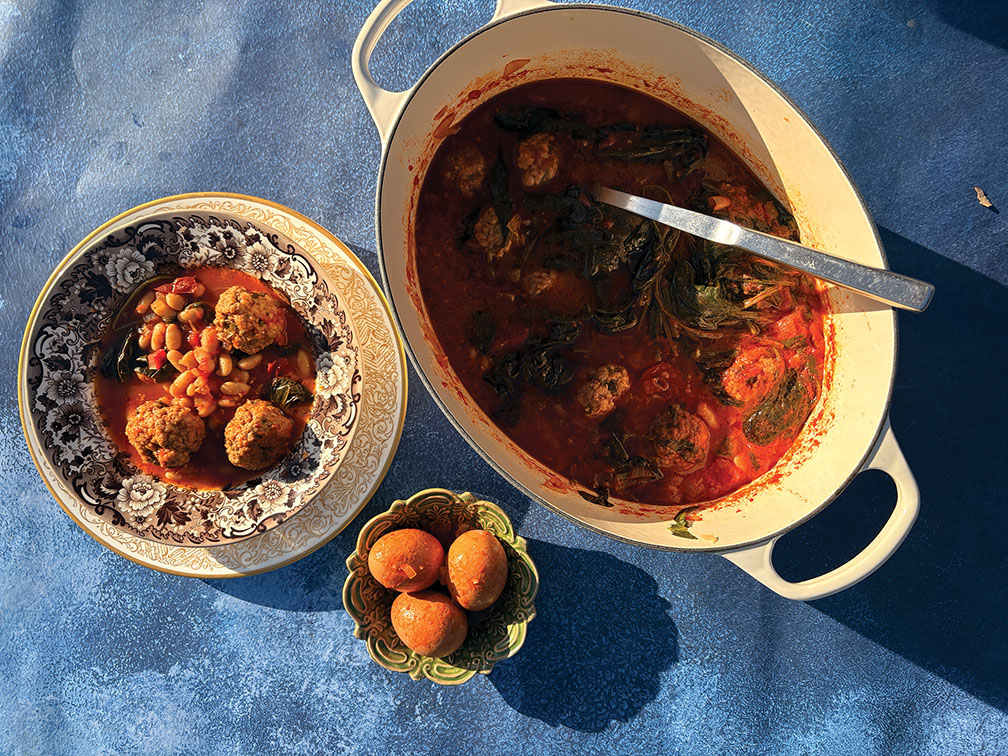
Jews eat carobs on Lag B’Omer since Rabbi Simeon bar Yochai survived on them while he lived in the cave in exile. They also eat barbecued foods and meats around the bonfire.
Source: MyJewishLearning.com, Chabad.org