If your life could change in a moment, what would you want it to be?
Most of us quickly consider what we’d want from the world or
from another person: more love, more money, more respect, more health, more learning, more time.
Now, instead of changing factors outside of your life, think about your own character. What would you change about yourself?
Having a clear answer to that question helps define a serious Jew. When we study the expanse and depths of Jewish moral literature, we see that its words are reaching out to us to transform us.
Jews who take the tradition seriously allow and invite its wisdom to reach into and transform us. We can live with greater truth and less falsehood, with greater compassion and patience and less anger, with greater perspective and less “judgmentalism,” with greater wisdom and less small-mindedness.
Here, of course, is the problem with life-changing wisdom that comes from a tradition, or from any source. Unless you want to change, unless you can clearly detect the ways in which you need to transform yourself, you will experience such wisdom directed at you as misaddressed, mistaken and misconceived.
How many of us can remember cogent and timely advice given to us, but we could not understand how crucial it was for us at the time? How many of us have given advice to another out of true love and concern, and seen our advice misunderstood or ignored? We need to be spiritually and morally ready, it seems, to hear the truths we need to hear.
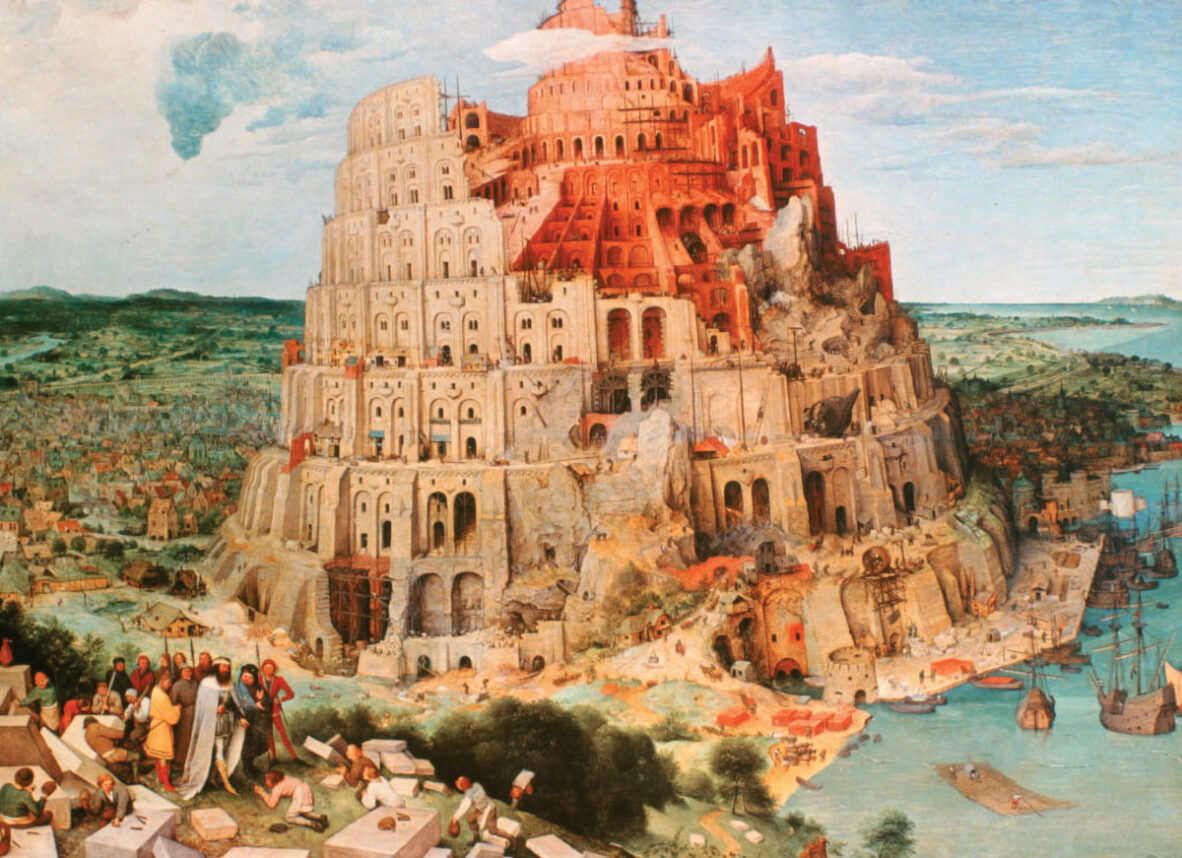
Back in Torah portion Ki Tisa (Exodus 30:11-34:35), the Israelites were not ready to hear. When Moshe came down from Mount Sinai, the Israelites were cavorting with the molten calf. If we understand this psychologically and archetypically, this cavorting with the calf was a way of not listening, of making ourselves too busy to attend to the truth that was presented to us.
The Holy One has redeemed us from slavery; not just political oppression, the rabbis remind us, but also from a spiritual death. We were steeped in sin. I think of cultures and subcultures today that have gone bad, of nations and neighborhoods where basic human values are forgotten. I think of individuals I have known, wracked by anger, envy, resentment or fear, taken far from the center of their being.
The Holy One addresses us, calling us to lives of nobility, but we don’t hear; a “not hearing” that continues in each of us at one time or another.
And then there are moments when we do hear. This week’s parsha, Vayakhel-Pekudey, is such a moment. After the disaster of the molten calf incident, Moshe provides forgiveness from God for the people. He ascends Mount Sinai and receives another set of tablets, engraved with words that evoke the wisdom of the divine implanted in each person’s heart.
This time, we don’t shut out those words that evoke us into full being. In this week’s parsha, we find the people of Israel donating of their wealth — not to an idol that helps mute the divine, but rather to building a sanctuary that will keep the divine word alive in their midst.
That sanctuary we built in the desert thousands of years ago seems to be the key. There are words in our tradition that can alert each of us to full consciousness — a different word for you, a different word for me. What makes us fellow Jews — Jews in fellowship with one another — is that we listen to the same tradition together, we study together, we work together to keep each other awake.
We must build sanctuaries — communities of learning and devotion, fellowship and service — in which this holy wisdom is preserved and lived out. The Hebrew word root of the name of our parsha, “Vayakhel” also gives us the word kehilla, which means congregation or community.
From a Jewish perspective, from the wisdom of our parsha, these must be communities of meaning, where we are taught how to change our lives, where we are given a vision of what our lives could be become. Our communities can be places where the divine word given to each of us is heard and lived, lifting us to the lives to which God is calling us all.
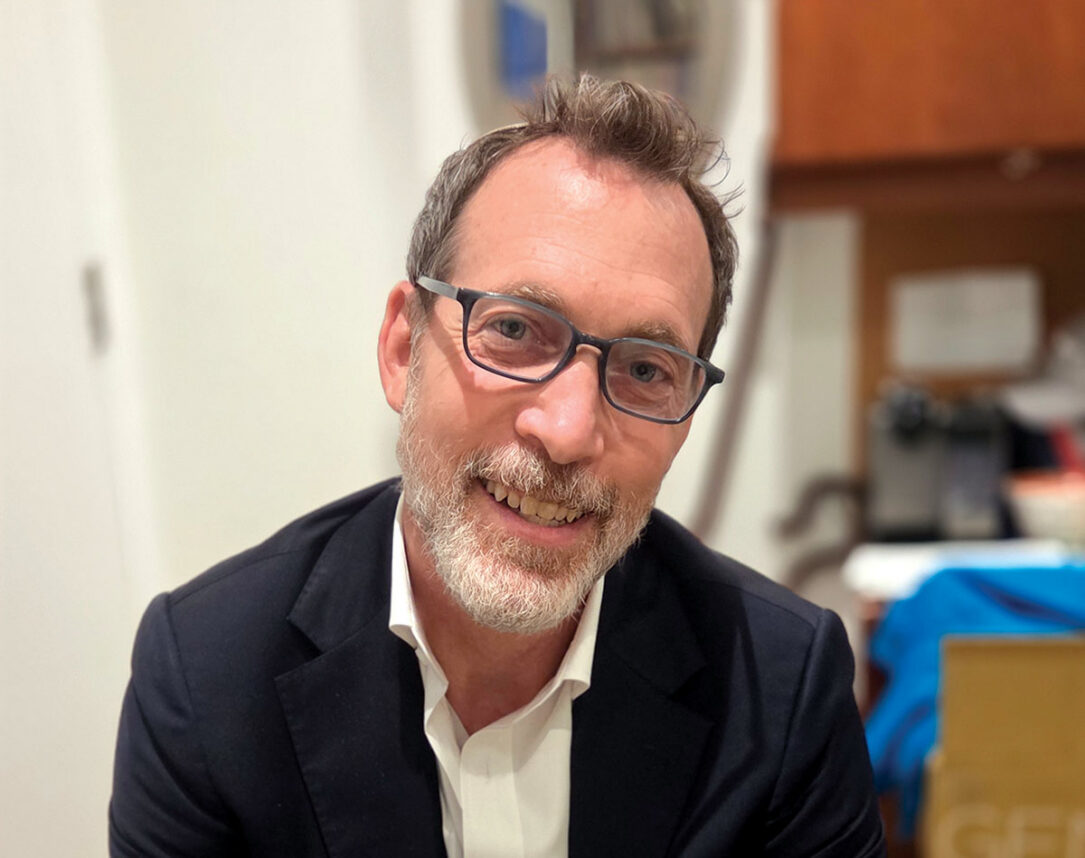
Mordecai Finley is the rabbi of Ohr HaTorah congregation, as well as provost and professor of liturgy and mysticism at the Academy for Jewish Religion, California Campus.