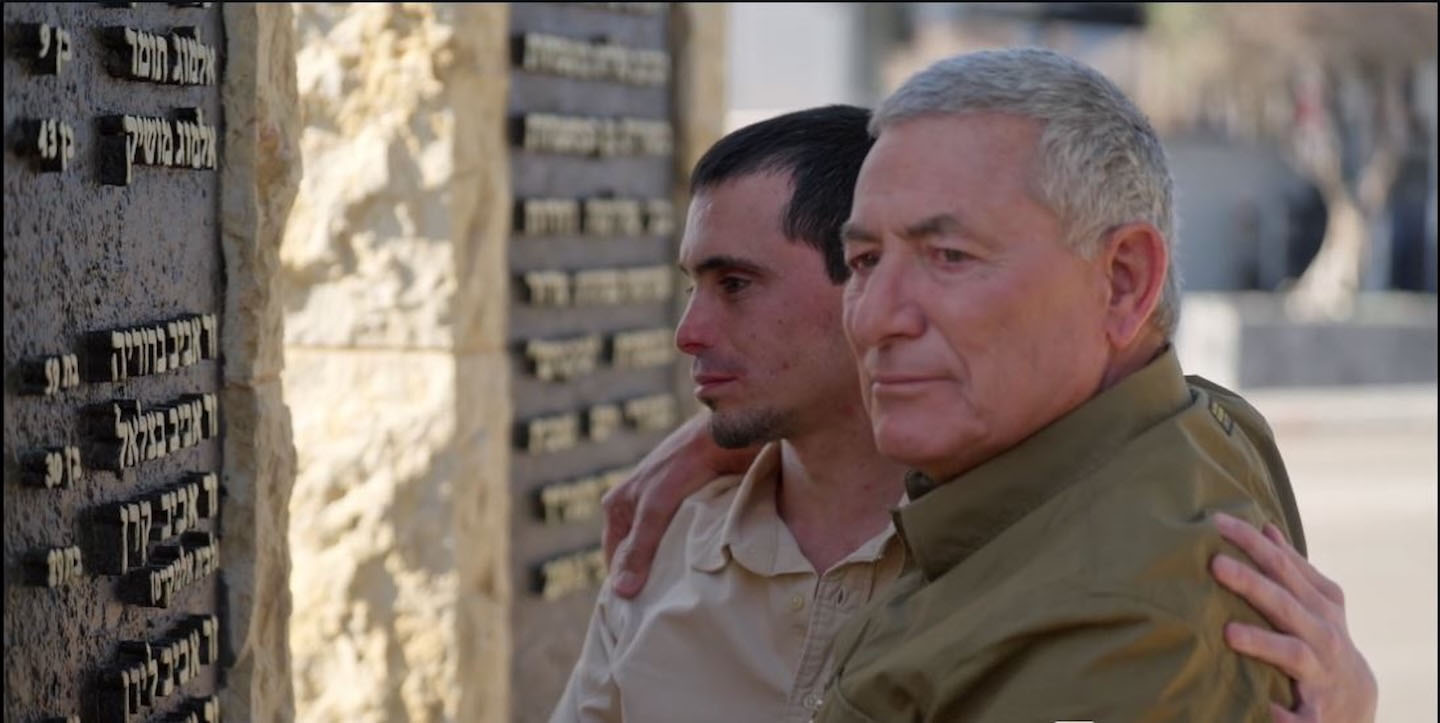
In 1973, during the Yom Kippur War, Eran Almog, a tank commander, was injured in the Golan Heights. Since forces were advancing, Eran was left behind on the battlefield, where he bled to death. His brother, Maj. Gen. Doron Almog, was fighting in the Sinai. When he discovered that Eran had been abandoned, he vowed never to leave a soldier behind.
Doron went on to serve 34 years in the IDF, including as commander of Israel’s Southern Command from 2000 to 2003. In his personal life, Doron’s wife gave birth to their son Eran. They named him after Doron’s late brother.
Eran was born with severe autism and developmental disabilities and could not talk or do anything on his own. Doron dedicated his life to helping Eran; he established Aleh Negev, a rehabilitation village in Israel that helps people with complex medical conditions and multiple disabilities. It encourages Israelis to visit and volunteer at the village and serves more than 300 residents as well as special education students. When Eran died in 2007 at the age of 23 from Castleman disease, Aleh Negev was renamed ADI Negev–Nahalat Eran in his memory.
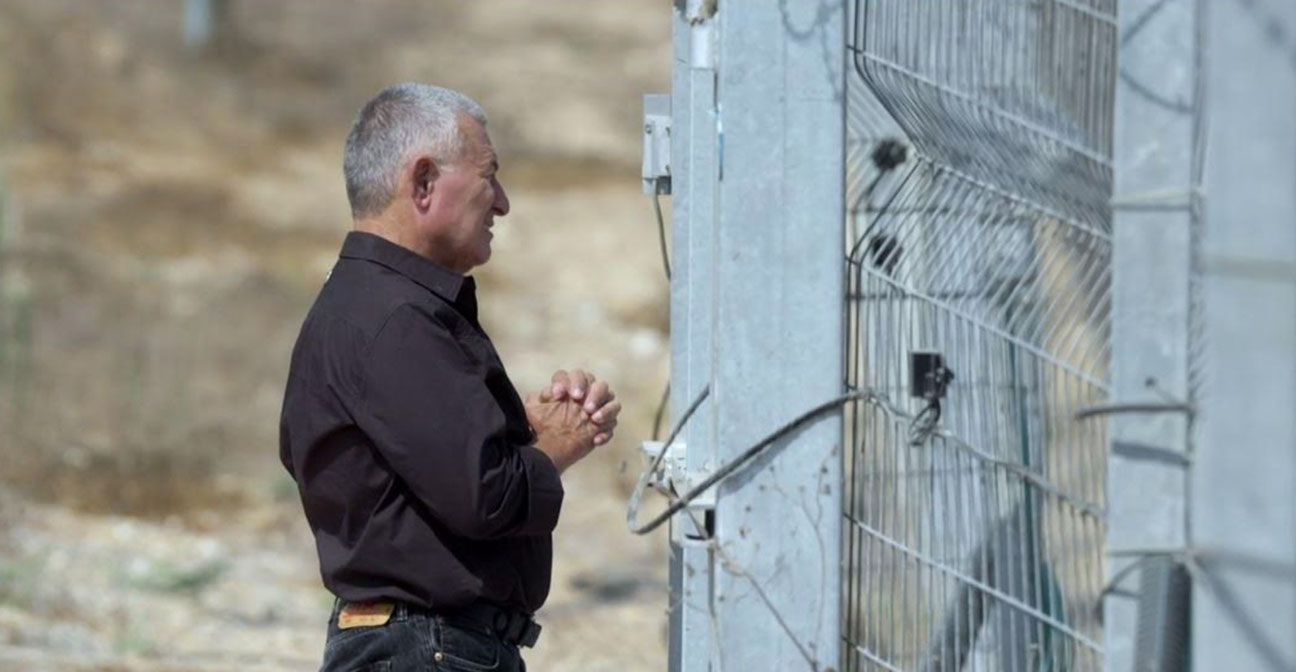
Now, a new documentary called, “From October 6 to October 7,” which premiered in February at the 37th Israeli Film Festival in Los Angeles, is showing Doron’s life on the big screen.
“It’s about our tragedies and how we face them,” said Doron, who is now The Jewish Agency’s chairman of the executive. “It’s about being hopeful in life.”
“It’s about being hopeful in life.” – Doron Almog
Directed by Sarit Asnapi, the moving film had its east coast premiere on June 15 at the Israel Film Center Festival. It focuses not only on the trauma and pain Doron and Israel in general have suffered due to the Yom Kippur War, October 7th massacre, and other terror attacks, but also on resilience. The death of his brother ensured that he never left a soldier behind, and the death of his son led to him helping countless disabled people and advocating for them. Growing up, he learned this from his parents, who were born under the British mandate and dreamt of establishing the first Jewish state after 2000 years in exile.
“Their generation lost one percent of the population in 1948,” he said. “Despite the grief of my parents and their generation, I was raised in a very optimistic home. My story is relevant to every Jew in the world: How do we get up despite sometimes feeling like the burden is very heavy? How do we continue to live a meaningful life and do good things for the state of Israel—and the Jewish people?”
In his role at The Jewish Agency, Doron carries out his impactful work strengthening the Jewish people in Israel and the diaspora, promoting aliyah, and encouraging Jews to engage with Israel.
“In Israel, the main issue is establishing a resilient community,” he said. “We’re offering subsidized houses in the Gaza envelope. In 10 years, I would like to see the population in the north and south doubled. We will continue building the only Jewish state in the world.”
Even though his son is gone, Doron said that his influence lives on in his work.
“Eran is the greatest teacher in my life and prepared me, more than any other person, to be chairman of the Jewish Agency for Israel and continue my mission: to build a new Israel, and to strive for an exemplary society.”
Looking ahead, Doron is finding inspiration in the next generation.
“I believe in the young people,” he said. “I admire their energy and motivation and decision to make aliyah in a time of war.”
When Doron, who is now 75 years old, envisions what he wants the Jewish state to look like, he said, “We will have mutual responsibility and unconditional love. We are all for striving for excellence in every field and making Israel a much better place for everyone. Making Israel an inclusive and loving society should be the ultimate goal.”