fbpx

Rosner’s Torah Talk: Parshat Eikev with Rabbi Steven Abraham

[additional-authors]
August 3, 2018

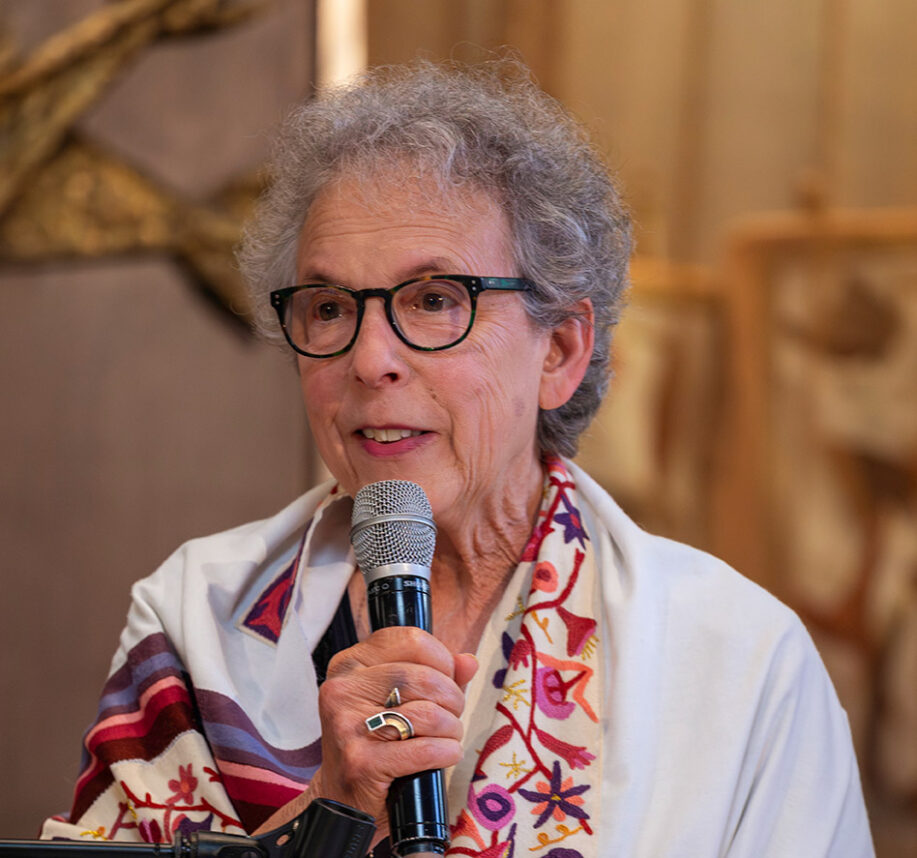
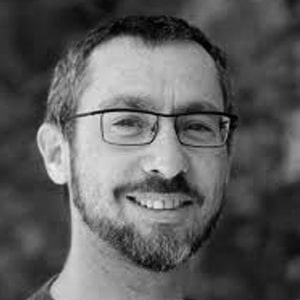
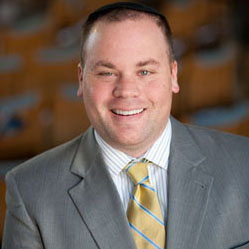
Rabbi Steven Abraham is the Rabbi of Beth El Synagogue in Omaha, NE. Steven graduated from the rabbinical school at the Jewish Theological Seminary in May of 2011, where he also received a M.A. in Jewish Education. Prior to attending JTS, he earned his B.S. in Business Management from the University of Baltimore. Most recently Steven earned a Certificate for being part of the Inaugural Interfaith Families Engagement program at Hebrew College. 

In college and rabbinical school Steven was actively involved with USY as a group leader on multiple summer programs, including USY on Wheels and Summer in The City as well as staffing NATIV. Rabbi Abraham currently sits on multiple boards including the Boys and Girls Clubs of the Midlands and the national board for United Synagogue of Conservative Judaism. He is married to Shira J. Abraham, from Highland Park, IL. They have two children, Naama (7) and Leor (4).

In this Week’s Torah Portion – Parashat Ekev (Deuteronomy 7:12-11:25) – Moses continues his address to the people of Israel, promising them that they will prosper in the land of Israel if they obey God’s commandments. He reminds them of their sins, but stresses God’s forgiveness. Moses describes the land of Israel to the people, demands that they destroy the idols of its former dwellers, and warns them of thinking that their power and might, rather than the lord, have gotten them their wealth. Our discussion focuses on Moses’ retelling of the Golden Calf story and on the reasons behind God’s forgiveness toward the people of Israel.


https://www.youtube.com/watch?v=wdu_dLbPzEs&feature=youtu.behttp://


Previous Torah Talks on Eikev

Rabbi Brad Hirshfield

Rabbi Robert Dobrusin

Rabbi William Hamilton

Rabbi Michael Beals

Rabbi Phillip Scheim


Did you enjoy this article?
You'll love our roundtable.

Editor's Picks

Latest Articles

Bringing Israeli Doctors Back

ScienceAbroad works with two groups in medicine: physicians who leave Israel for fellowships and Israeli students who attend medical school in Europe.

The Antizionist’s Dilemma

It’s not easy being an antizionist these days. Especially if you’re determined to live in accordance with your most important moral imperative: the denigration of the world’s only Jewish state.

How the Supreme Court Adapted Parshat Shoftim

The Torah offers a better model than avenging and avoiding. It offers a safe opportunity for parties to meet and peacefully explain their perspectives, which might have been misunderstood. They can offer apologies and, where necessary, make amends for harms caused.

Can One Be a Non-Observant Orthodox Jew?

The tradition has always been bigger than any one person’s grip on it. What draws me is simple: I think these texts are a good part of why we are still here as a people. I want to know them and, in my own way, embrace them. Orthodox is where I turn.

Lies, Damned Lies and the Right Side of History

One question alone matters these days: Does this fact strengthen my tribe, or is it bad for it? If bad, it must be suppressed, denied, explained away. The higher truth is the narrative that serves the cause, the quest of the righteous and true.

Life Lessons in Old Age

Hardship and joy are present at every step. There is no time when it will be all good, so focus on the good and carry on. There are always moments to savor and appreciate.

Is Mamdani Helping Bibi?

By explicitly linking Mamdani’s efforts to rising levels of antisemitism, Netanyahu was able to frame himself as a defender of Israel against growing international hostility.

More news and opinions than at a Shabbat dinner, right in your inbox.