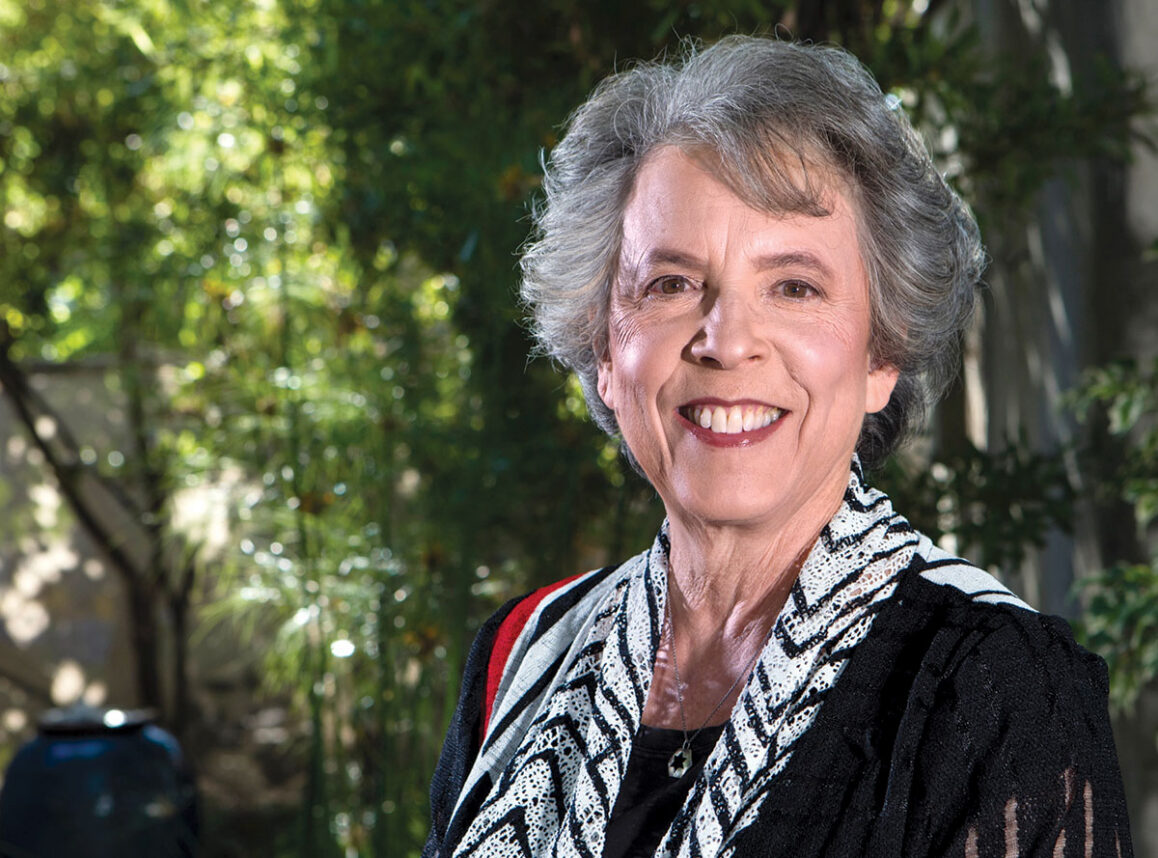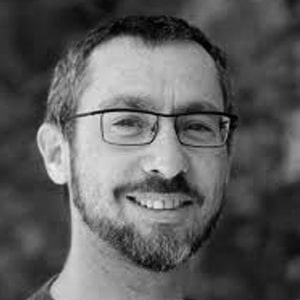
Our guest this week is Rabbi Corey Helfand, leader of the Peninsula Sinai congregation in Foster City, CA. Rabbi Helfand received his rabbinic ordination in May 2011 from The Jewish Theological Seminary of America along with a Masters in Talmud and Jewish Law and a certificate in pastoral care. As a Gladstein Fellow in Entrepreneurial Rabbinics, Rabbi Helfand served as the rabbinic intern at the Conservative Synagogue Adath Israel in Riverdale under the mentorship of Rabbi Barry Dov Katz and as the rabbi of Beth Shalom of Lake Norman in Davidson, North Carolina. Rabbi Helfand graduated from Washington University in St. Louis with a BA in Jewish and Islamic Studies and in Political Science. He completed two 400-hour units of Clinical Pastoral Education, one at the Zicklin Hospice Center through the Center for Pastoral Education at JTS and one unit at Bellevue Hospital. He also served as the rabbinic intern for the Masorti Community in Kiryat Bialik outside Haifa under the mentorship of Rabbi Mauricio Balter.
This week's Torah portion – Parashat Miketz (Genesis 41:1-44:17) – features the second part of the story of Joseph and his brothers. The parasha begins with Joseph interpreting the Pharaoh's dream and continues to tell us about Joseph's rise to power, about the seven years of famine, and about Joseph's first re-encounter with his brothers who come to Egypt to purchase grain. Our discussion focuses on the unclear and nuanced emotions at play when Joseph meets his family again and on what the whole episode says about Joseph and his leadership style.
Our Past discussions of Parashat Miketz:
Rabbi Aaron Bergman on the transformation of the family of Israel into the people of Israel
Rabbi Yehudah Mirsky on the Jew, the outsider, as the interpreter of dreams