Discussing addiction within the Jewish community is often met with discomfort. There’s a prevailing inclination to conceal it, to brush it under the rug, so as to protect the family’s reputation. While it’s understandable that the topic can be embarrassing for some, the compulsion to keep it hidden can weigh heavily and lead to isolation. “Freedom Song,” a play centered on addiction, aims to challenge this mentality.
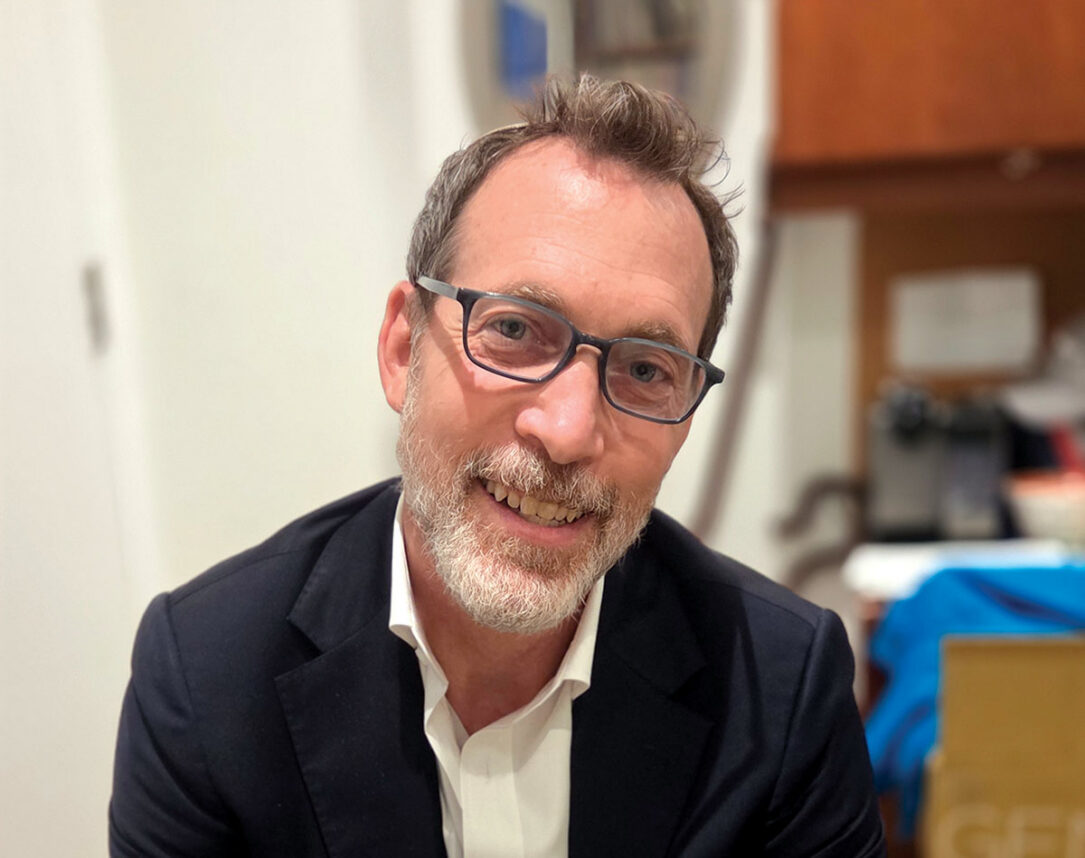
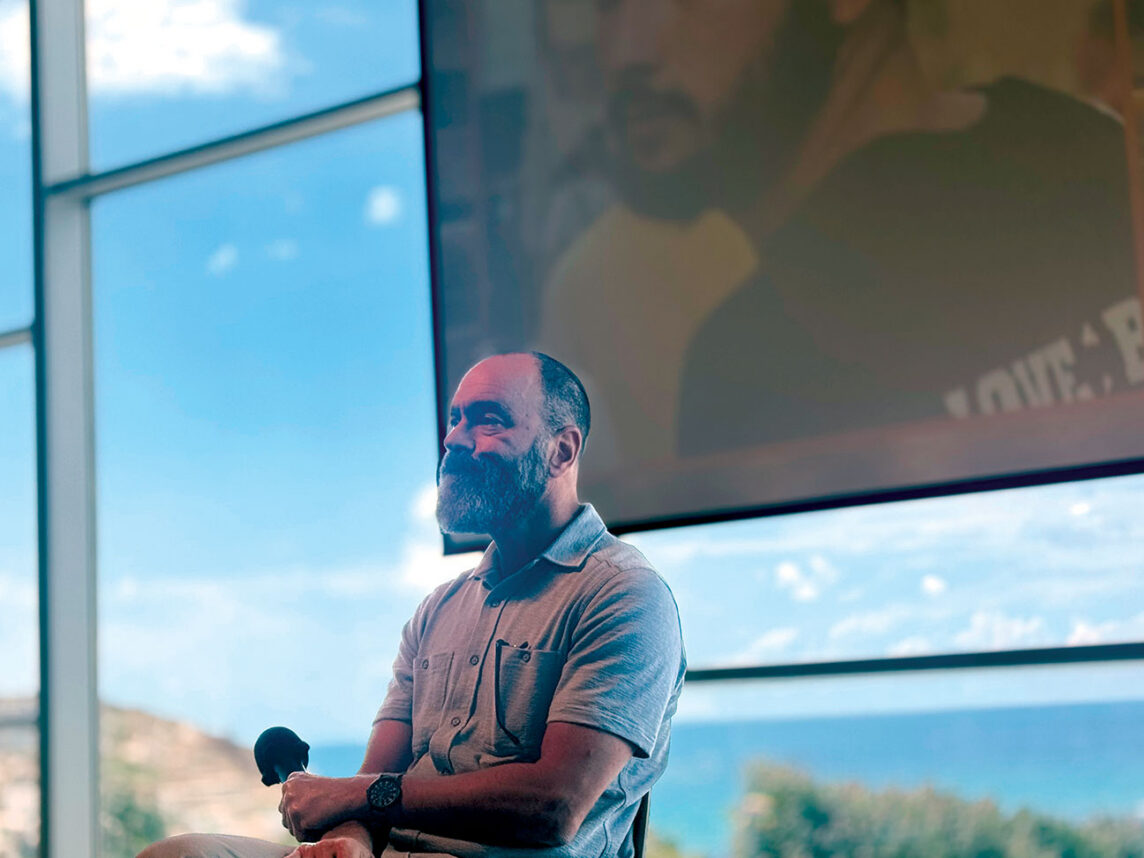
The musical originated in 2006 with a group of people in recovery from Beit T’Shuvah, an addiction treatment center in Los Angeles. This diverse ensemble is comprised of individuals from varying backgrounds ranging from reform Judaism, conservative Judaism, and even those with no Jewish affiliation at all — all of whom have grappled with addiction, be it to alcohol, drugs, gambling and so forth. Among them was Michael Kamenir, once a participant in the program, who joined the musical as an actor and for the past 10 years has served as its director.
“There is also something powerful about telling your story and being proud of it.” – Michael Kamenir
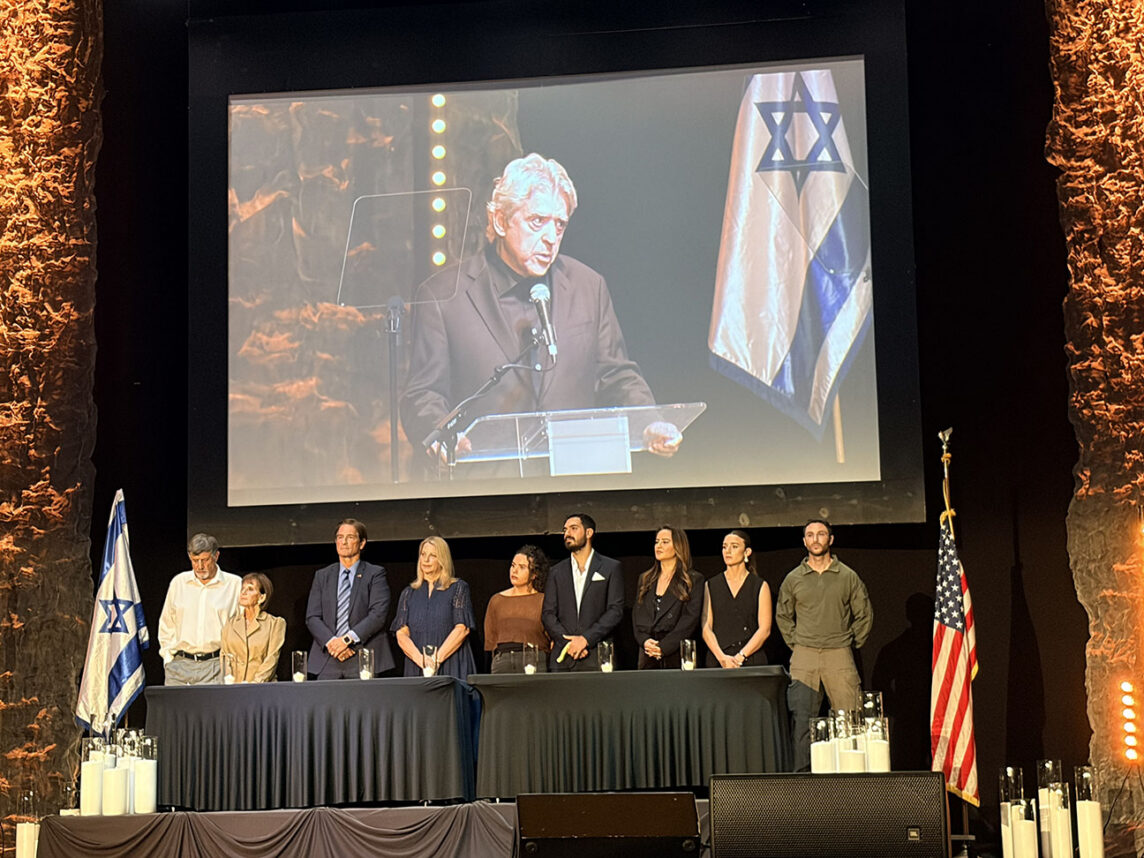
Over the years, the cast has traveled to approximately 30 states, specifically targeting Jewish communities. They have captivated audiences composed of addicts, their friends and loved ones. Through tears, laughter and heartfelt embraces, they’ve witnessed the profound impact of the production. It’s difficult to determine who gains more from the experience—the actors or the spectators; perhaps it’s an equal exchange. As Kamenir said, “Engaging in a play about the harsh realities of addiction while in recovery demands accountability and punctuality. There is also something powerful about telling your story and being proud of it.”
There is significant sacrifice on the part of the cast, Kamenir noted. “They juggle demanding jobs and family commitments while committing to weekly rehearsals without financial compensation. It’s a testament to their dedication and, needless to say, it helps the audience. It brings Jewish addiction out of the shadows and shows that we are the same as everybody else.”
The musical opens with a poignant scene depicting a traditional Passover Seder on one side of the stage and an Alcoholics Anonymous meeting on the other side. While the first commemorates the liberation from slavery 5,000 years ago, the other celebrates liberation from personal bondage.
Though the cast has evolved over time, the core narrative remains consistent: a Jewish family grappling with a daughter’s addiction to drugs and the importance of making amends.
Over the 18 years since its inception, approximately 350 people have participated in “Freedom Song.” Some have moved on due to life’s demands while remaining a part of the tight-knit community. “It’s become a source of camaraderie and support,” Kamenir said. “We hold reunions where everyone gathers to reconnect and reminisce.”

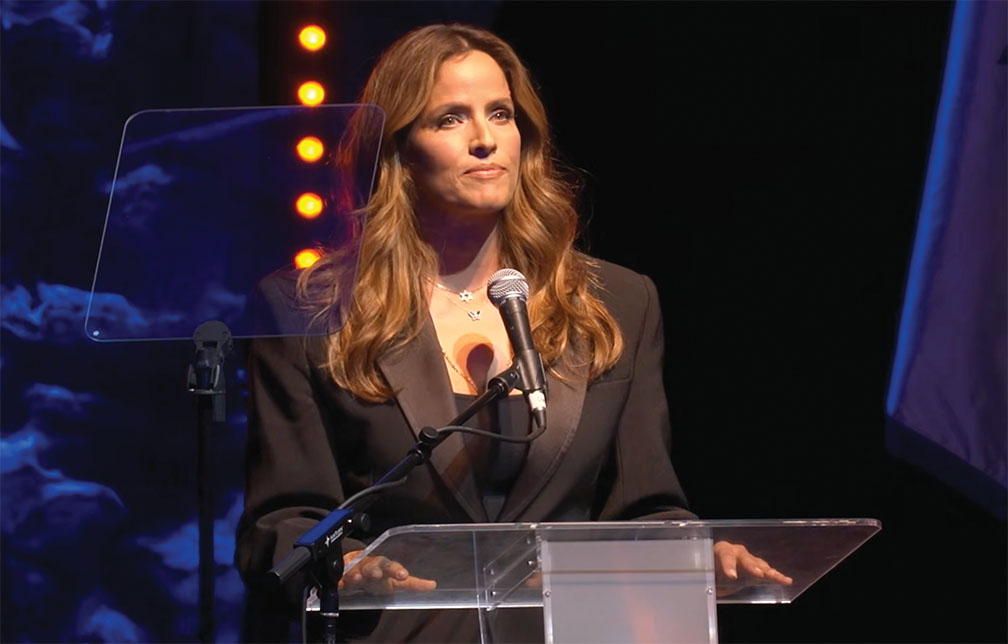
Laura Bagish, the musical director who accompanies the cast on piano, has been sober for 20 years. Bagish said the show had helped many people in the audience to open up about their own experiences and get help with their recovery. “There have been so many stories I’ve heard throughout the years. When they tell their truth, it helps them with their recovery. During the Q&A we have had people in the audience raise their hands and share. One spoke of their child who died of an overdose, another of being molested. They don’t normally talk about it with anyone, but the setting makes them feel comfortable to speak and be honest.”
Jessica Fishel, who coordinates the tour and educational outreach program, emphasized the significance of the show in raising awareness about Beit T’Shuvah and providing support for those in need. She shared how attendees have found solace and assistance through the program, with some even enrolling in it. “Countless individuals have approached me post-show, sharing their struggles with addiction or those of their loved ones. The performance acts as a catalyst, opening doors for individuals to seek help. It’s like a lightbulb moment for them; they feel empowered to take the first step towards recovery.”
Among those profoundly impacted was a rabbi who attended a performance. Reflecting on their interaction, Kamenir said, “After the show he came to me and said that he had been sober for eight months. He said that he used to go to AA meetings 50 miles away from town because if his congregation knew about his alcohol problem, he would be fired. I told him about Beit T’Shuvah and that we have actual rabbis in recovery and they can help Jews in recovery and can offer help.”
Despite the prevalence of AA meetings in churches and synagogues, they often lack similar support systems due to the stigma surrounding addiction in the Jewish community. The goal of “Freedom Song” is to challenge this stigma and provide a beacon of hope for those struggling, emphasizing that help and acceptance can be found within their own community.
“Freedom Song” will be performed for the Ahavat Torah Congregation on Saturday, March 16th at 1:30pm at St. Bede’s Episcopal Church – 3590 Grand View Blvd, L.A., CA 90066. Please RSVP to ahavattorah2022@gmail.com.
If you or someone you know needs help, call Beit T’Shuvah at 310-204-5200.