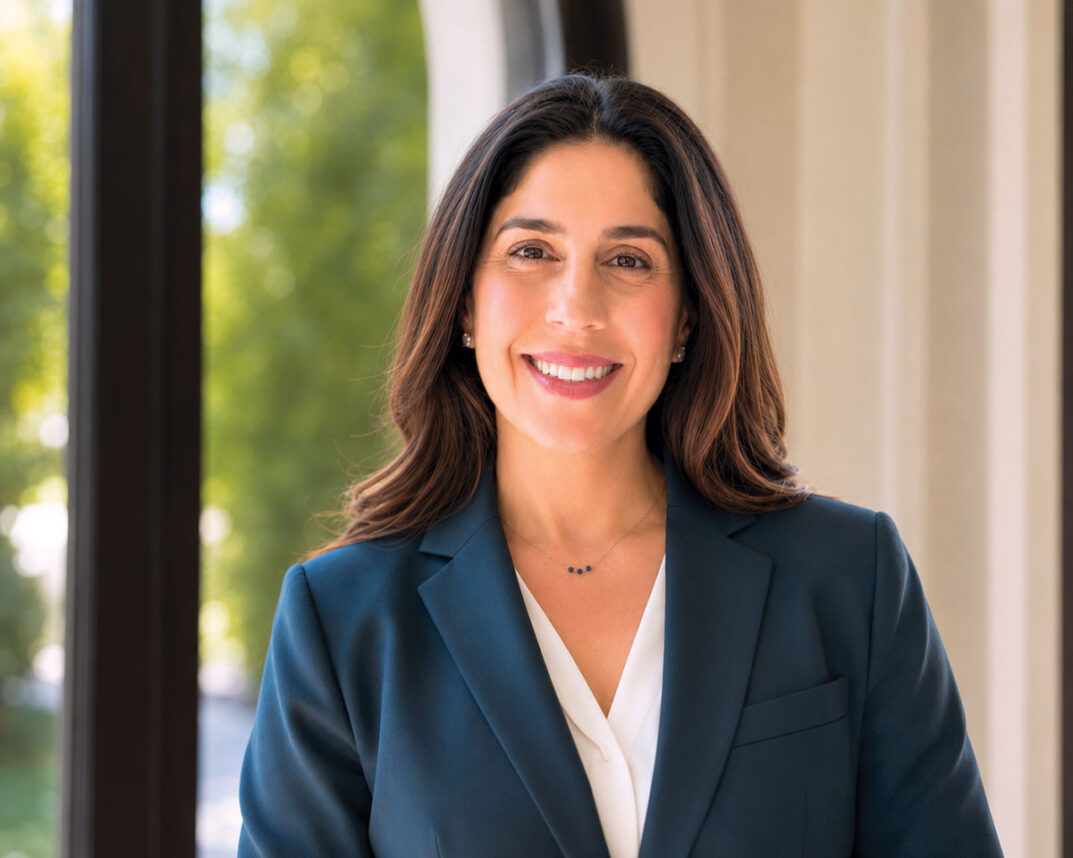
When Amy Sherman-Palladino was growing up in Van Nuys, her father, the former Catskills comic Don Sherman, would hold court in the backyard with fellow comedians like Jan Murray and Shecky Greene. Everyone would be eating deli food and trying to outdo each other with jokes.
Young Amy found the conversation “foreign and exotic and fabulous, when you’re sitting bored in the Valley waiting for a Ralphs to open so you have someplace to go,” the effusive Sherman-Palladino recalled in a telephone interview.
And when she repeatedly played the comedy album “2000 Years With Carl Reiner & Mel Brooks” — a gift from Dad — she knew she had found her “inner Jew.” The banter was “fast and furious and human and exhausted and hilarious,” she wrote in an essay for Vulture. “It dawned on me, ‘That was Jewish.’ ”
Sherman-Palladino brought the same frenzied Jewish chatter to distinctly WASP-y characters when she created her hit television show, “Gilmore Girls,” set in the New England enclave of Stars Hollow, Conn. “We wrote it as a Jewish show that just happened to feature a couple of Protestants running around,” she said. “They were the most Jewish goyish girls in the entire world.”
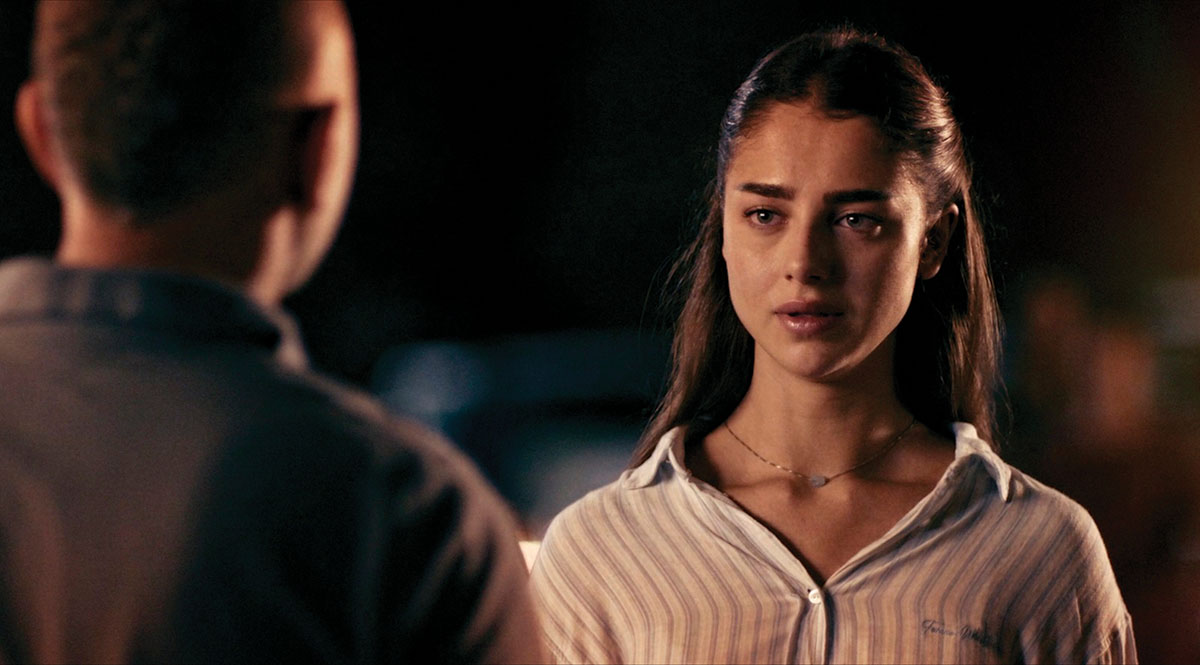
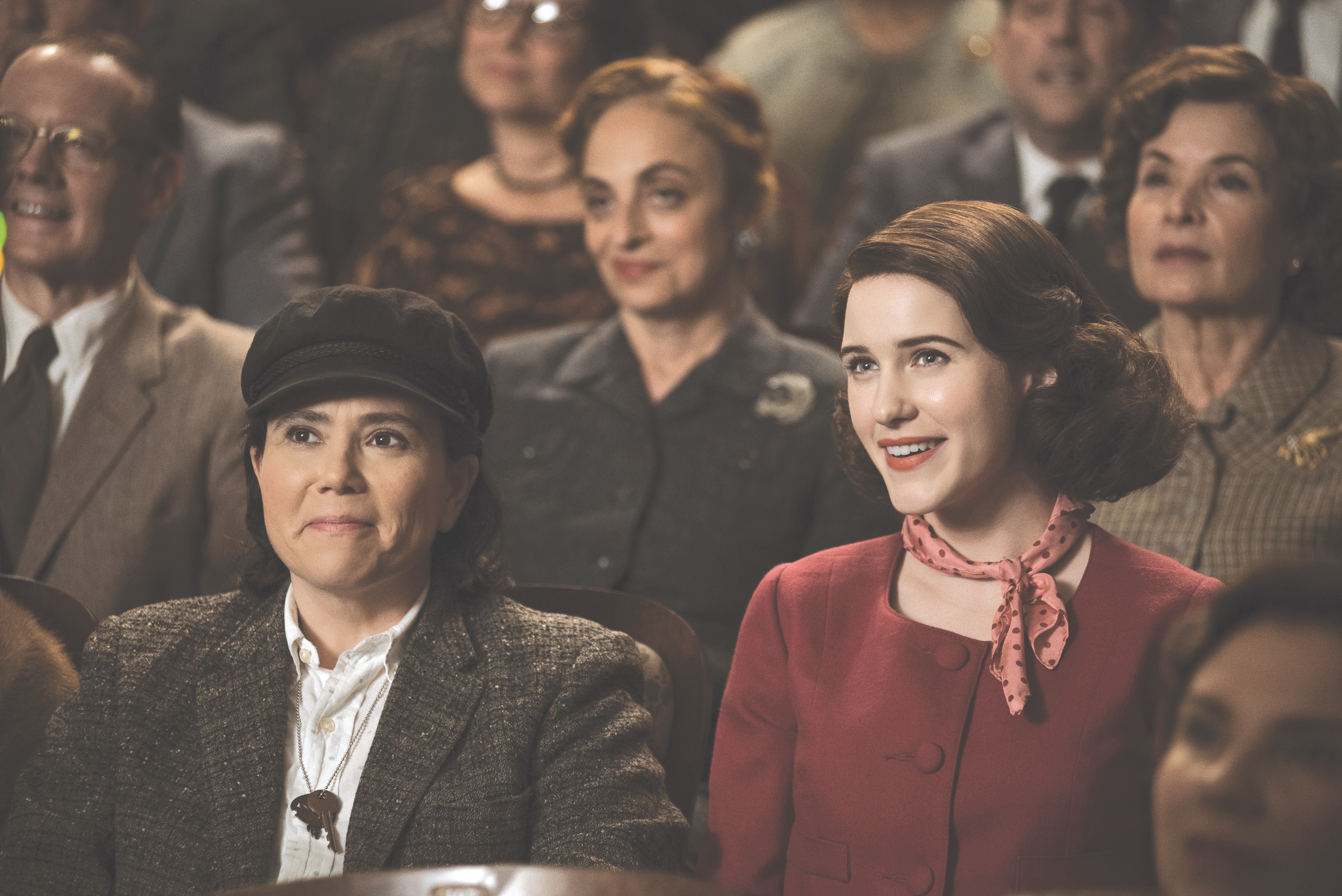
Now Sherman-Palladino is bringing her shtick to the overtly Jewish Amazon series “The Marvelous Mrs. Maisel,” which premieres Nov. 29 and spotlights a contented Jewish upper-middle-class housewife in New York in 1958. The series opens as Miriam “Midge” Maisel (Rachel Brosnahan) gives a speech at her wedding, quipping that shrimp was an ingredient in the egg rolls served. A panic breaks out as the rabbi and various guests flee the reception.
Four years later, she’s bribed the rabbi with a dreidel signed by Sammy Davis Jr. to attend her Yom Kippur break-the-fast meal. But the dinner is canceled when her husband, Joel, an aspiring comedian, leaves her for another woman.
The desperate Midge rushes to Joel’s gritty comedy club, takes the stage, exposes her breasts and kills with her rant about her loser hubby. She thereafter reinvents herself as a stand-up comic in the burgeoning Greenwich Village scene. But not without a dose of Jewish guilt. As Midge munches on nuts during a meeting at the club, she suddenly realizes it’s Yom Kippur. “I’m supposed to be fasting, atoning for my sins,” she tells a prospective comedy manager. “You showed your [breasts] to half of Greenwich Village,” the manager replies. “You think some nuts are going to piss Him off?”
When asked why her new show is so, well, Jewish — perhaps the most Jewish show to hit TV since Amazon’s “Transparent” — Sherman-Palladino said, “Why the hell not? I come from Jews. … I don’t want to say that Jews invented comedy — but Jews did invent comedy,” she added.
She set the series in 1958 because it was a time when artists were “taking the old, very structured ‘ba dump bump’ comedy and bringing it into social and political arenas. Lenny Bruce was like the new Jewish comedy. I wanted to take a woman who was expected to be a housewife and mother, who suddenly finds herself with this weird, hidden superpower onstage.”
Bruce pops in and out of Midge’s life “like a weird kind of muse,” Sherman-Palladino added. “Joan Rivers once told a story about a show she did where the audience didn’t laugh at a thing. But Lenny Bruce sent her a note saying, ‘You were right; they’re wrong.’ I give him a lot of credit that he could reach out to a female comedian at that time and see what was special about her.”
Rivers was, in a way, an inspiration for the character of Midge. “When it comes to female comedians, Joan Rivers is the queen,” Sherman-Palladino said. Rivers and Midge “are similar in that they were both raised in very comfortable Jewish families, expected to go a certain way, but went another way altogether.”
The series was born when, at a meeting with Amazon executives last year, Sherman-Palladino blurted out that she was “thinking about an upper West Side, Jewish-American housewife who suddenly gets drawn into the comedy scene. And they said, ‘OK, go do that.’ ’’
As Sherman-Palladino created the show with her husband and longtime collaborator, Dan Palladino, she said, “I didn’t want Midge to be a character staring out the window, thinking, ‘There’s something better for me out there.’ I wanted her to be someone who had thought she had gotten everything she had ever wanted, only to have it blow up in her face.”
Sherman-Palladino drew on her experiences working odd jobs at The Comedy Store decades ago to create the club scene Midge tackles in the series.
“Stand-up comedy is the worst job in the world,” she said. “If you’re in a bad play or ballet, you can always say that the director was a moron or your [co-stars] showed up drunk. But if you’re a comic, it’s just you and your thoughts up there. If the audience rejects you, you can’t blame it on anybody else. It’s a pure, intimate rejection of
who you are.”
Nevertheless, Midge is drawn to the craft because “when the audience laughs, it’s very powerful,” Sherman-Palladino said. “When comedy hurts, nothing hurts worse. But when it hits, it’s probably the best high in
the world.”
Sherman-Palladino grew up in a culturally Jewish home with her comedian father and her Mississippi native, Baptist mother, a dancer. Amy eschewed Hebrew school in favor of wearing a tutu to ballet class.
Eventually, she gave up dancing to write for the TV series “Roseanne” and went on to create “Gilmore Girls” as well as “Bunheads” (2012-13), which was set in the dance world.
She married Palladino in 1997 in a ceremony officiated by Rabbi David Baron of Temple of the Arts in Beverly Hills. “Dan is not Jewish, but he knew there was going to be a chuppah and that he was going to step on a glass,” she said. Sherman-Palladino named the fictional rabbi in “Gilmore Girls” after Rabbi Baron.
In “The Marvelous Mrs. Maisel,” Midge’s husband complains that their rabbi, in a sermon, “got more laughs in five minutes than I got in five months.” Midge replies, “He was in Buchenwald — throw him a bone.”
Before her husband dumps her, Midge bribes his open-mic night producers to give Joel better time slots by bringing them platters of her Jewish brisket and latkes.
Sherman-Palladino is now on a worldwide media junket to promote her series, but she aims to take a much-needed break after the tour. “I think I’ll check myself into the Betty Ford Center,” she quipped.
“The Marvelous Mrs. Maisel” premieres Nov. 29 on Amazon.