



fbpx

A Shlomo Carlebach music extravaganza

Rabbi Shlomo Carlebach was one of the most important composers of Jewish liturgical music, many critics say.
[additional-authors]
January 11, 2017

Rabbi Shlomo Carlebach was one of the most important composers of Jewish liturgical music, many critics say. During his life, he recorded 27 albums and wrote thousands of melodies, such as “Am Yisrael Chai” and “Borchi Nafshi,” that can be heard throughout the Jewish world.

On Jan. 15, his music will be performed in “Carlebach Goes Symphonic” at the Wilshire Ebell Theatre in the mid-Wilshire district. The show, which is sponsored by Beth Jacob Congregation, will include performances by Cantor Arik Wollheim from the synagogue, along with Cantor Sol Zim from New York City and Toronto’s Cantor Shlomo Simcha. The three singers will be accompanied by a full symphony orchestra, conducted by Israeli composer Mordechai Sobol, who selected and arranged the music.

“Carlebach is phenomenal,” said Wollheim, who has hosted three other concerts of liturgical music in the time he’s been at Beth Jacob. “His music goes beyond boundaries and denominations. Twenty-two years after his death, you hear his music in Reform, Conservative, Orthodox, Renewal and Chassidic circles. Everybody plays his music.” 

Colloquially called Reb Shlomo, Carlebach was born in Berlin in 1925. He and his family escaped to Lithuania and then Williamsburg, Brooklyn. The son and twin brother of rabbis, he gained notice for his music in the early 1960s, after he had worked as a Chabad emissary for the sixth and seventh Lubavitcher rebbes and later had run an outreach center for wayward Jewish youth in San Francisco. Until his death in 1994, he played music to audiences around the world. 

His folksy, Chassidic melodies based on liturgy continue to be sung acoustically during prayer services throughout the globe. 

“We’re taking these melodies everyone loves and putting them together with the symphony arrangement,” Wollheim said. “It takes it to a completely different level.”

Though the music isn’t complicated, Wollheim said, it carries great significance for the listeners. “Carlebach is very spiritual. It’s very simple from a musical perspective, but it has this unexplained power to give you a pinch in your heart. It touches your nerves and something inside, perhaps because it’s so simple in its structure but so profound from a spiritual point of view.”

Wollheim said he attempts to bring in popular artists, such as at past concerts with performers Avraham Fried, Dudu Fisher and Duo Reim. The Carlebach show “will be a fun activity, and it’s not limited to elderly people in suits listening to classical music or music you can only hear at temple,” he said.  

Wollheim said that he got the idea to bring Sobol’s work on Carlebach tunes to Los Angeles after it had been performed with the Israel Philharmonic Orchestra. He’s worked with Sobol several times, and said the conductor “almost single-handily revived chazzanut in Israel. He decided to take the music of Carlebach and do something artistic with it.” 

The cantor also previously collaborated with Zim, who is a composer and the cantor of Hollis Hills Bayside Jewish Center in Queens. “Carlebach’s music captivates worshippers around the world,” Zim said. “If people don’t understand liturgy, the music will explain it to them and they’ll feel what the words mean.”

The concert, Zim said, will be significant to longtime listeners of Carlebach’s music, as well as to audience members who may not know it. “For those who are familiar with Carlebach and his music, it will be very nostalgic, emotional and a fantastic celebration. For those who have not heard it at all, they’ll want to hear it again and again. It’s very simple but warming to the heart.”

Simcha, a longtime fan of Carlebach, recorded his own versions of the rabbi’s compositions. One of his albums, “Fusion — Songs of Carlebach,” is dedicated to Reb Shlomo. “I loved listening to his music [while] growing up,” he said. “There is something uniquely inspirational about it.”

Carlebach’s music, he said, moves people deeply: “It crosses the barrier of different spectrums of faith. That’s a tremendous power.”

At the concert, Simcha will sing “Mizmor Le’David,” a popular Carlebach song he previously recorded, which is based on a Biblical psalm. “It will be a great opportunity to sing that song and give it the honor it deserves,” he said. 

Like the fans of Carlebach’s music, the three cantors come from different backgrounds. As Wollheim pointed out, he is Modern Orthodox, while Zim is Conservative and Simcha is Chasidic. 

“Carlebach’s music has the power to bridge our differences and practices,” he said. “It can bridge gaps. If we can get 1,000 Jews that don’t usually have that much in common to spend an evening together, that’s already a tremendous success and achievement to me.” 

For tickets and more information on the concert,

Did you enjoy this article?
You'll love our roundtable.

Editor's Picks

Latest Articles

Are We Dying of a Broken Heart?

Whatever the future holds, we must remember, especially during Hanukkah, that miracles are part and parcel of our history—and will continue to be. We cannot let our sadness overwhelm us.

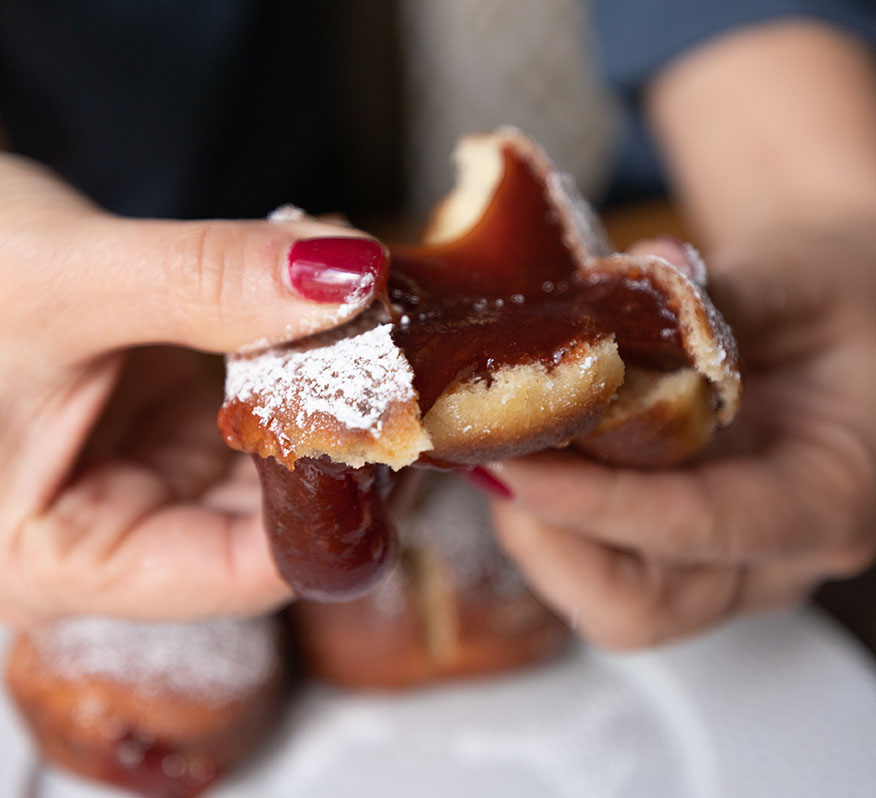
Of Doughnuts and Dreidels

This week Rachel and I are thrilled to share our column with our friend Rinat to tell us about a unique Hanukkah tradition involving women. 

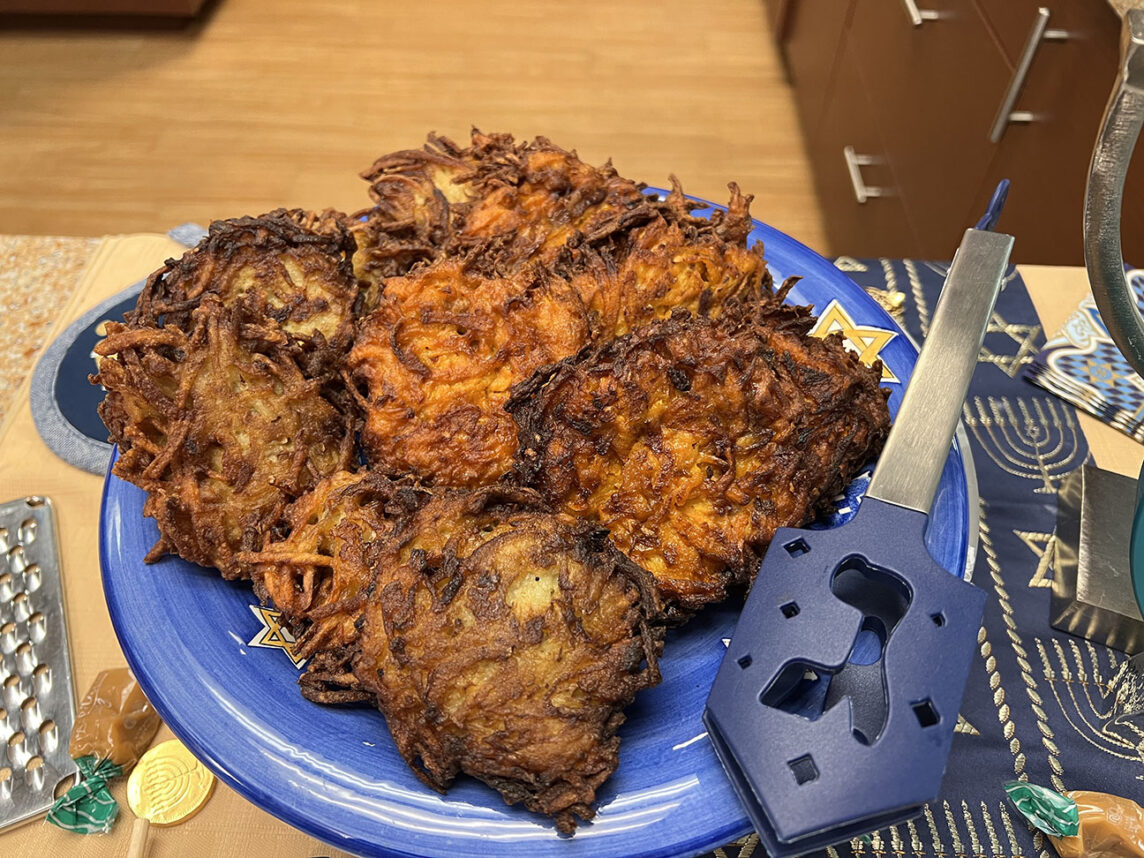
Not Your Bubbe’s Latkes

Whether you switch up your latke ingredients, toppings or both, you can have lots of oily goodness without getting bored.

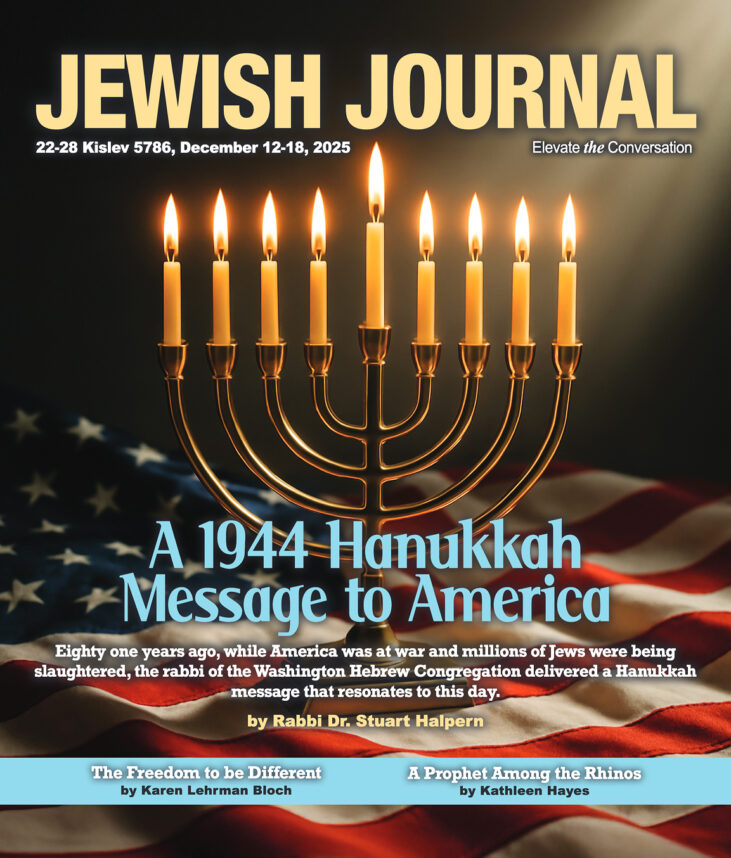
A 1944 Hanukkah Message to America

Eighty-one years ago, while America was at war and millions of Jews were being slaughtered, the rabbi of the Washington Hebrew Congregation delivered a Hanukkah message that resonates to this day.
Rosner’s Domain | The Psychology of Accepting Reality

Israelis expected the war would end when Hamas is eradicated. They now have to face a different reality. After two years of blood, sweat and many tears, the enemy is still out there, lurking in the dark, waiting to fight another day.
A Prophet among the Rhinos

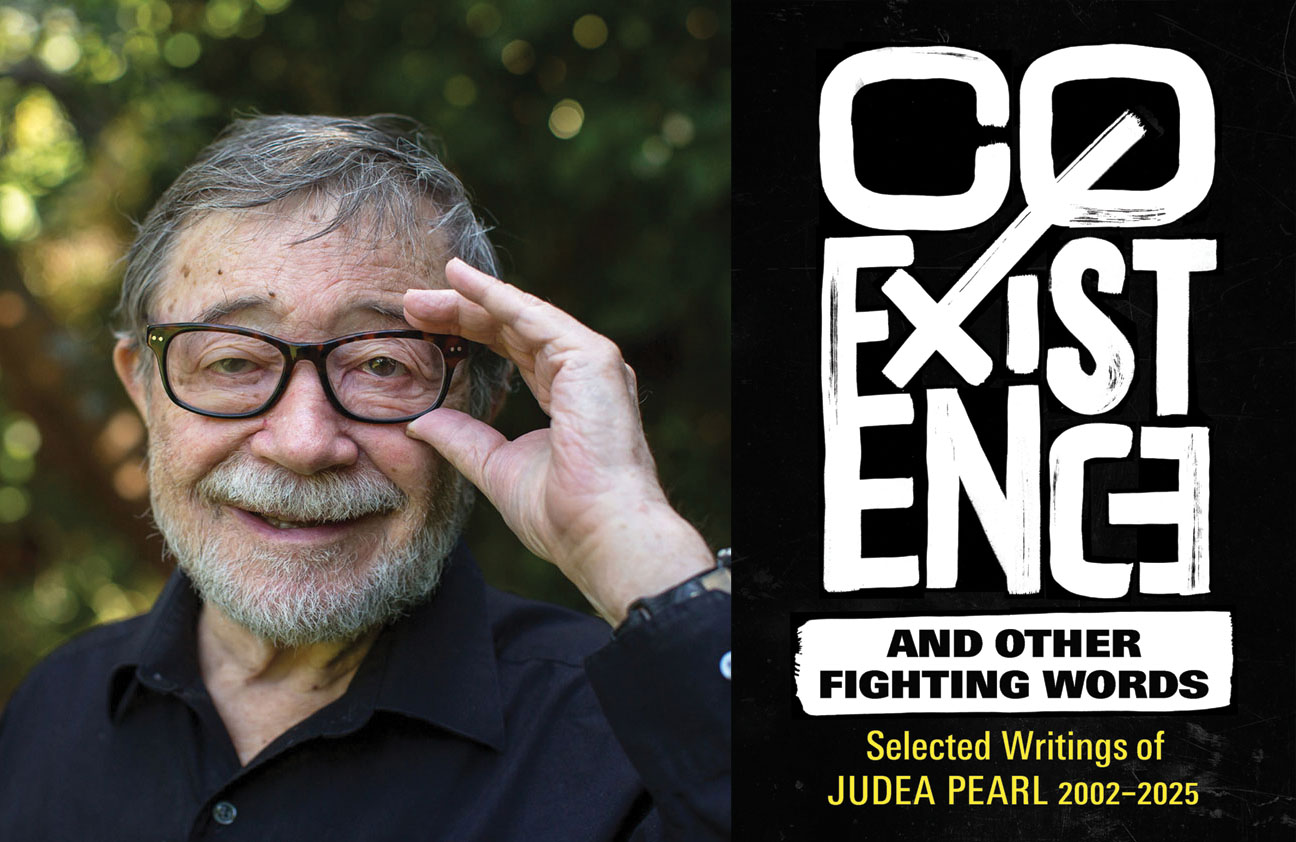
In this selection of essays, op-eds and speeches, the first piece written six months after his son’s murder, Pearl gives us words that are, yes, sometimes heartbreaking, but also funny, profound, scrappy, informative and strikingly prescient.
As We Wrestle

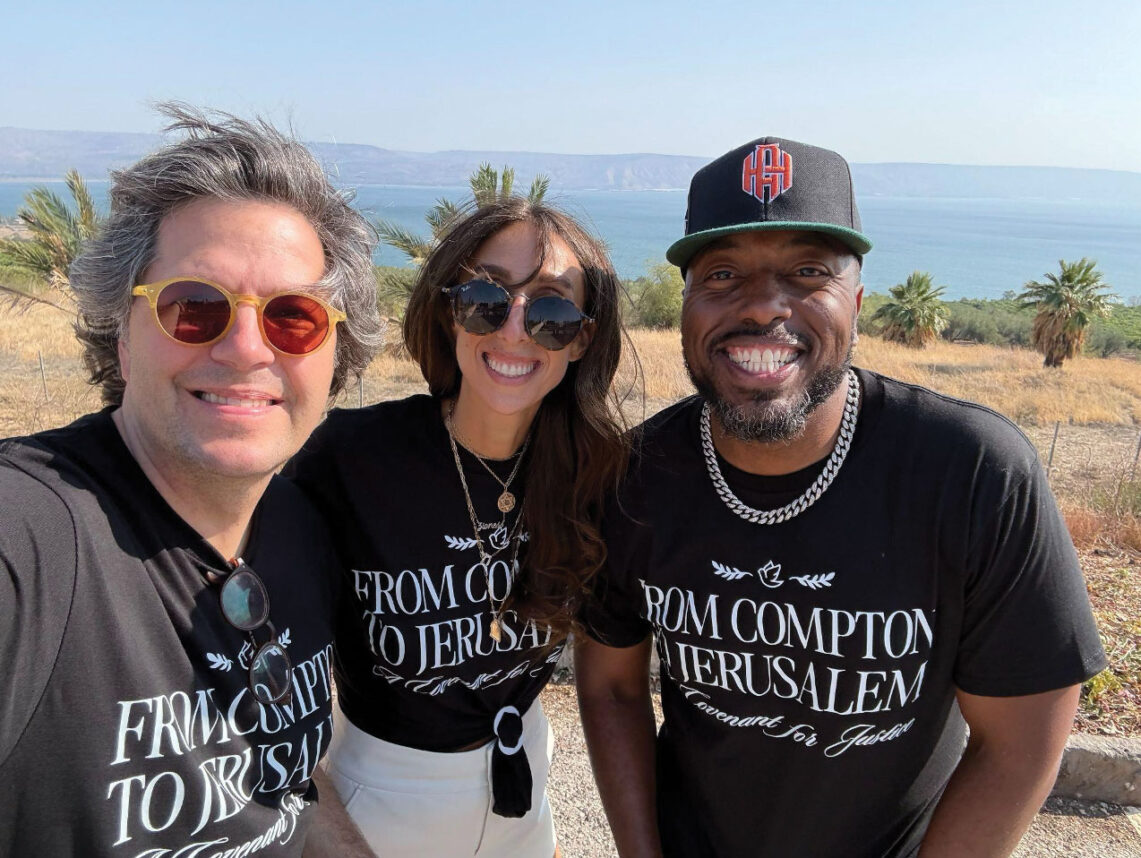
My hope is that we, too, embrace the kind of wrestling that leads to blessing.
Time of Hope

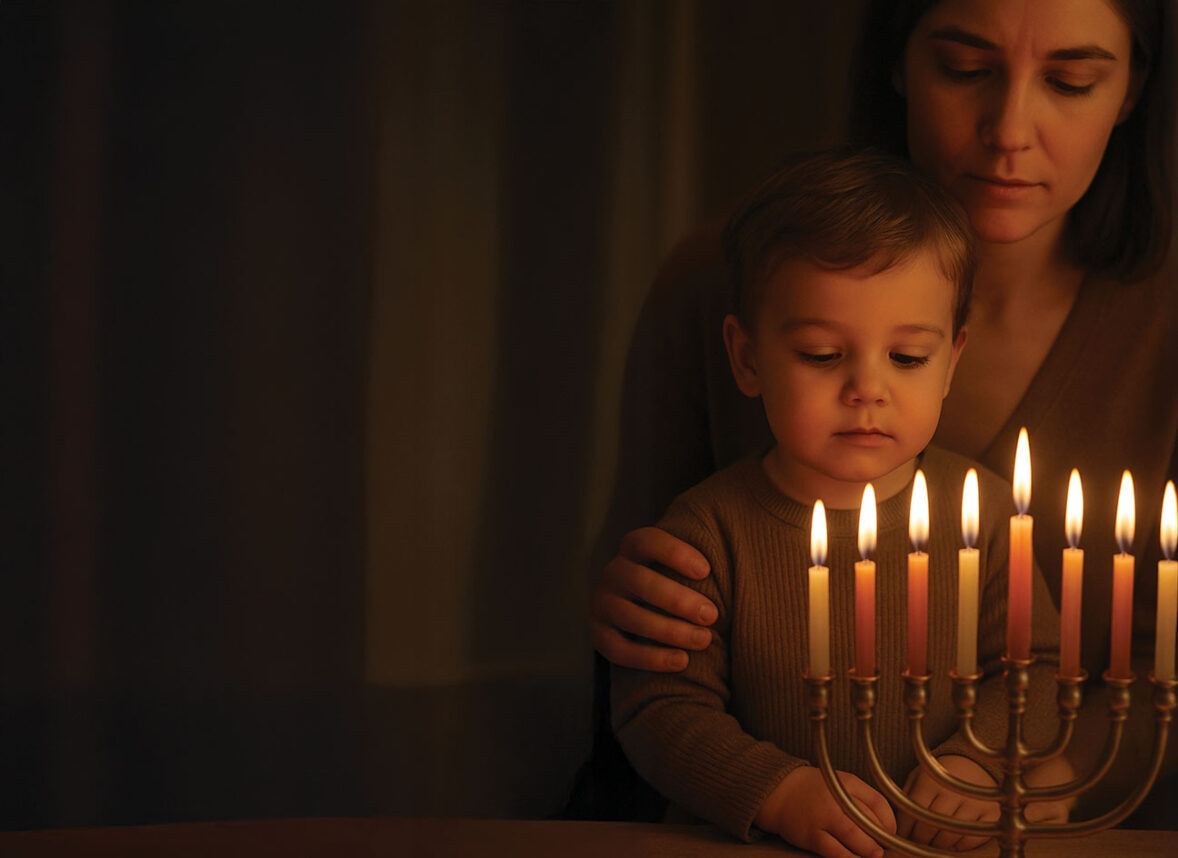
It is truly in darkness, the night which starts the Jewish day, that we come to face our fears and uncertainties, to find the glow of light that reignites faith, hope and possibility.

Choosing Good Over Evil

The conclusion of 2025 is an excellent occasion to step back and reflect on our failings.

Jews Aiming for White House

Rahm Emanuel is one of four Jewish political leaders seriously considering a run for the Democratic presidential nomination, at a time when antizionism is growing and antisemitism is coagulating.

More news and opinions than at a Shabbat dinner, right in your inbox.