
Rahm Emanuel’s middle name is Israel. Not emotionally or philosophically. Literally.
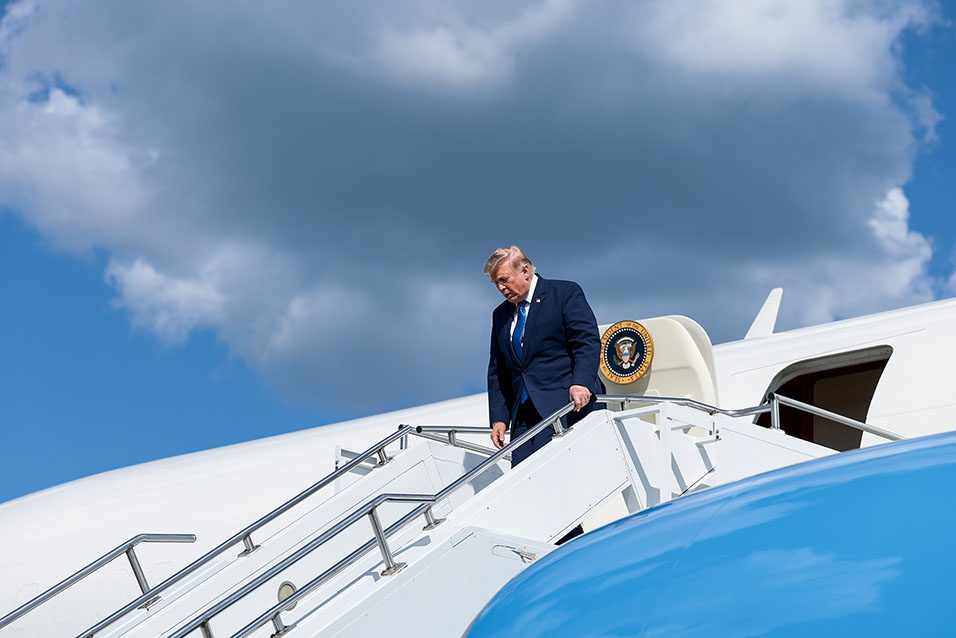
For those of you who have not yet started tracking the very early stages of the 2028 presidential campaign, Rahm Israel Emanuel is the former mayor of Chicago, a former Democratic member of Congress, U.S. Ambassador to Japan and Barack Obama’s White House Chief of Staff. He is a policy wonk, politically savvy, and utterly relentless, all of which are considerable strengths. He is aggressively centrist, fiercely Zionist and proudly Jewish, which are currently all considerable obstacles.
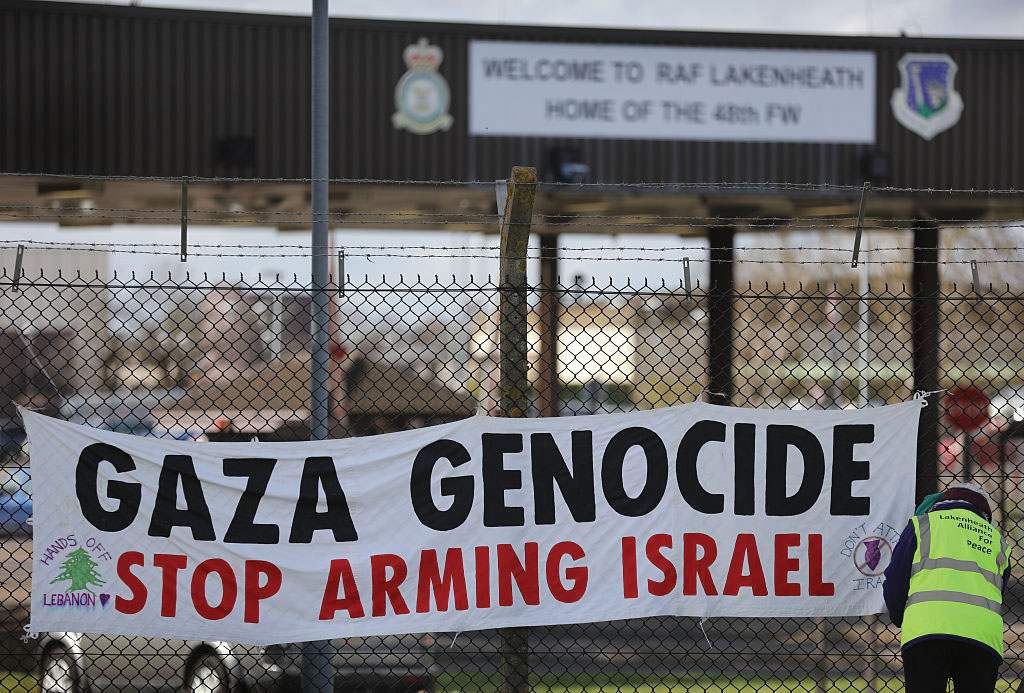
Emanuel is one of four Jewish political leaders seriously considering a run for the Democratic presidential nomination, along with Governors Jared Polis of Colorado, J.B. Pritzker of Illinois and Josh Shapiro of Pennsylvania, at a time when antizionism is growing and antisemitism is coagulating. In this challenging political and cultural moment, it would be tempting to dismiss their chances. It would also be premature.
Each of these potential candidates would bring solid credentials and impressive strengths to the race. Pritzker and Polis, the most progressive of the group, are well-positioned to excite the Democratic base, while Emanuel and Shapiro are most likely to appeal to moderates and independents. They all consider themselves strong supporters of Israel, although Emanuel and Shapiro have been the most vocally critical of Benjamin Netanyahu. Paradoxically, they are also the two who most heavily emphasize their Jewish heritage.
Emanuel volunteered with the IDF during the 1991 Gulf War. His father was born in Jerusalem and his surname means “God is with us” in Hebrew. (His first name “Rahm” is Hebrew as well.) Shapiro described his family’s weekly Shabbat dinners in campaign speeches and ads, and the antisemitic Passover terrorist attack on the governor’s mansion where he and his family live has become a defining part of his political identity. Pritzker and Polis talk about their Judaism in public less frequently, but both often reflect on the moral and cultural foundation it provides them. Certainly, none make any effort to distance themselves from their religion.
Religious beliefs have been a challenge for other presidential candidates over the years. Mitt Romney’s advisors discouraged him from talking about his Mormon faith during his presidential campaigns. Barack Obama was forced to distance himself from his spiritual mentor after the Reverend Jeremiah Wright’s incendiary racial comments became public in 2008. Taking a longer historical perspective, the obstacles faced by the three Catholic Democratic presidential nominees over the last century may offer some helpful perspective as the Jewish community considers our own political path forward.
When New York governor Al Smith ran in 1928, he was the subject of virulent and nasty anti-Catholic bigotry, including the Ku Klux Klan holding cross-burning rallies across the country. Forty years later, John F. Kennedy felt it necessary to deliver a speech to a convention of Southern Baptist ministers in which he emphasized absolute separation of church and state, while promising he wouldn’t seek Vatican approval for his decisions. By the time Joe Biden sought the presidency in 1988 and on two subsequent occasions, his religion was barely a footnote to the campaigns, coming up only occasionally as an aspect of his beliefs regarding abortion policy.
Psychiatrists refer to this concept as “mere exposure effect,” in which encountering a stimulus repeatedly makes one more comfortable with it. Perhaps the same familiarity principle will impact the politics of a country that includes six Jewish governors and 10 Jewish senators, representing states that possess 239 electoral votes. Add Florida and New Jersey, both with sizable Jewish populations and a record of electing Jews to statewide office in the past, and that electoral total increases to 283. That is 13 more electoral votes than is required to elect a president.
Correction: I wrote last week about U.S. military psychiatrist Douglas Kelley, who was assigned the task of interrogating and psychoanalyzing Nazi war criminal Herman Goring in preparation for the Nuremberg trials after World War II. I erroneously stated that Dr. Kelley was Jewish, which was not the case. My apologies for the error.
Dan Schnur is the U.S. Politics Editor for the Jewish Journal. He teaches courses in politics, communications, and leadership at UC Berkeley, USC and Pepperdine. He hosts the monthly webinar “The Dan Schnur Political Report” for the Los Angeles World Affairs Council & Town Hall. Follow Dan’s work at www.danschnurpolitics.com.