“Zionism” is now a bad word in many circles. It’s used to insult others and has become an antisemitic slur heard on college campuses, city streets, and social media.
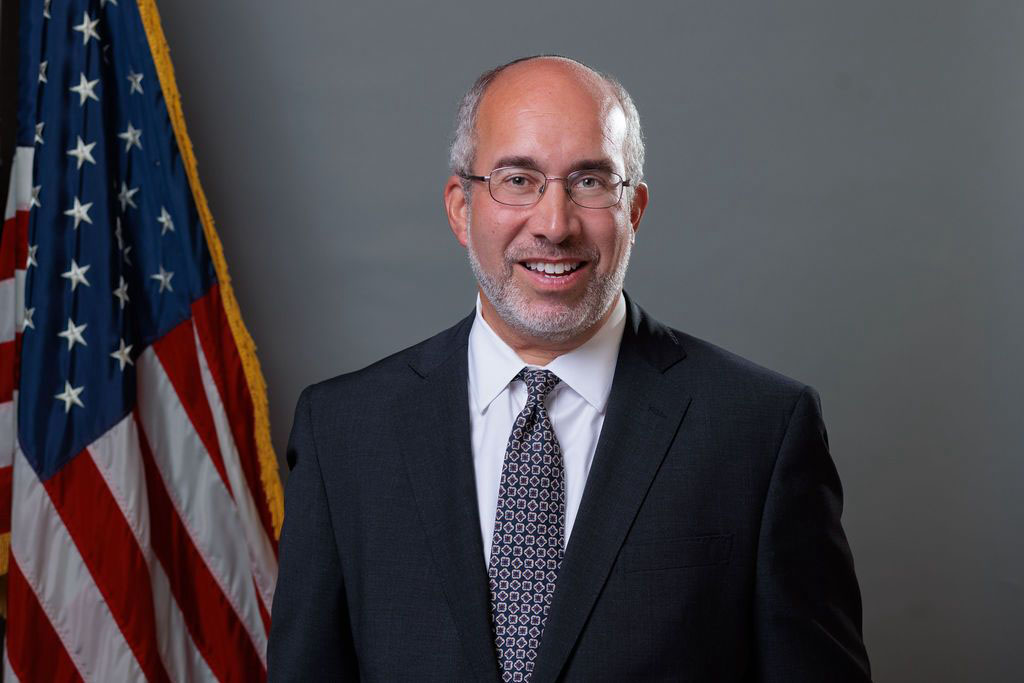
Despite the anti-Israel, anti-Zionist sentiment poisoning so many institutions and people, Herbert Block, executive director of the American Zionist Movement, is optimistic about the Jewish community’s response it.
Take, for example, the latest Israel Day Parade in New York City. Over 50,000 people of all ages showed up to support the Jewish state; it had one of its highest turnouts, even though Mayor Mamdani was the first mayor in New York City history not to march in it.
“When people feel their core identity is under attack, they are going to stand up and say, ‘We will not allow that to happen. We are proud New Yorkers and Zionists,” said Block, who lives in New York.
AZM is the umbrella convening body of Jewish Zionist groups in the United States and is known for the World Zionist Organization (WZO) elections, held every five years. That’s when Jewish groups elect delegates to represent them and serve in the WZO, and nearly $1 billion in funds are directed to Jewish organizations.
“The most public facing thing we do is the election for the Congress, which is an opportunity for grassroots engagements by Zionists in America,” said Block, who was previously the assistant director for Intergovernmental and Public Affairs for the New York City Independent Budget Office and an assistant to former NYC Mayor David Dinkins. “We are the connector between Jews in the diaspora and Israel.”
However, AZM engages in meaningful work year-round.
“One role we play is working with organizations in the U.S. to enhance their involvement in the WZO and the Jewish Agency, helping to strengthen the Diaspora voice,” said Block. “We do a great deal of behind-the-scenes work with national institutions on an ongoing basis to increase engagement in Zionist movement institutions.”
AZM steps into the spotlight when Zionism and the Jewish people are being targeted. Recently, it released a statement condemning Maureen Galindo, the San Antonio-area candidate for the U.S. House of Representatives who said that a local immigrant detention center should be turned “into a prison for American Zionists and former ICE officers for human trafficking.”
AZM commented, “Singling out ‘American Zionists’ for imprisonment invokes hateful antisemitic tropes that seek to demonize and marginalize members of the Jewish and pro-Israel community. Such language is not only divisive, but also dangerous, especially at this time of rising antisemitism and violence targeting faith communities across the country.”
Block said, “We typically stay out of American politics. Sometimes there is a tradeoff of bringing more oxygen or attention to it, but with Galindo, we felt that was so prominent and outrageous, we had to say something.”
Now that a big anniversary and celebration are coming up for the state of Israel, Block and his team are contemplating its meaning.
“We are two years away from the anniversary of the modern state of Israel,” he said. “We’re thinking, what does it mean to be a Zionist 80 years after the state’s establishment? Why is that important to celebrate? And how does the Zionist movement contribute to the Jewish diaspora’s role in Israel?”
Though Zionism is being criticized and condemned on so many fronts, Block is enthusiastic about younger Jews’ engagement with it.
“Teens from all over the country were at the parade in New York,” he said. “Teens learn from each other. They understand different perspectives and what it means to be part of something bigger than their school or community.”
“We will not shy away from our identity and Zionism.” – Herbert Block
He continued, “It shows that we will not shy away from our identity and Zionism. And it gives me hope for the future.”