In 166 BCE, officials of Antiochus IV Epiphanes strove to break Jewish resistance to the tide of Hellenization. Officers went to Modi’in where they confronted Matityahu, the local priest, urging him to sacrifice a pig as a gift to Zeus, the Greek god. They told him: “Come forward first and carry out the command of the king, as all the heathen, the men of Judah, and those left in Jerusalem have done; if you do so you and your sons will be counted among the friends of the king and will be honored with silver and gold and many gifts” (I Maccabees 2:17-18).
Matityahu famously rejected this proposal. “All those for the Lord come with me!” And thus began the Jewish rebellion that ultimately led to victory over the Greeks, rededication of the Temple in Jerusalem, the establishment of the holiday of Hanukkah, and the beginning of Maccabean rule over Judea.
Although we celebrate Hanukkah today in appreciation of the remarkable victory of the Maccabees over their oppressors, Matityahu and followers were also engaged in battle against an internal enemy: Jewish Hellenizers. Many Jews, including priests and high priests of the Temple in Jerusalem, were avid advocates of adopting Greek culture. They wanted to adapt to the prevailing powers and styles; they sought to be “politically correct.” For them, traditional Jewish religious beliefs and customs were a hindrance to their being accepted in Hellenistic society.
The temptations to give up on Jewish tradition were great. Rabbinic texts report that even the son and nephew of Rabbi Yose ben Yoezer — one of the two leading sages of the time — succumbed to the blandishments of Hellenism (Shabbat 133b; Bereishith Rabba, 65).
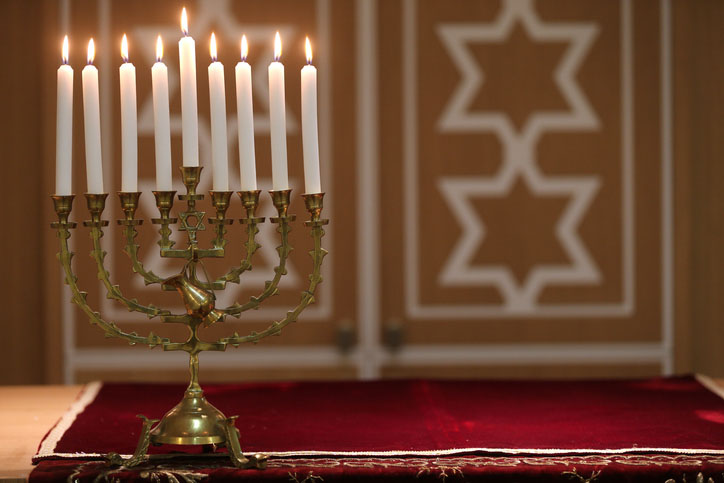
The battles that led to the creation of Hanukkah were twofold. The physical enemy had to be defeated; but the spiritual war against Hellenism also had to be won. Rekindling the menorah in the Temple of Jerusalem symbolized both military and spiritual victories.
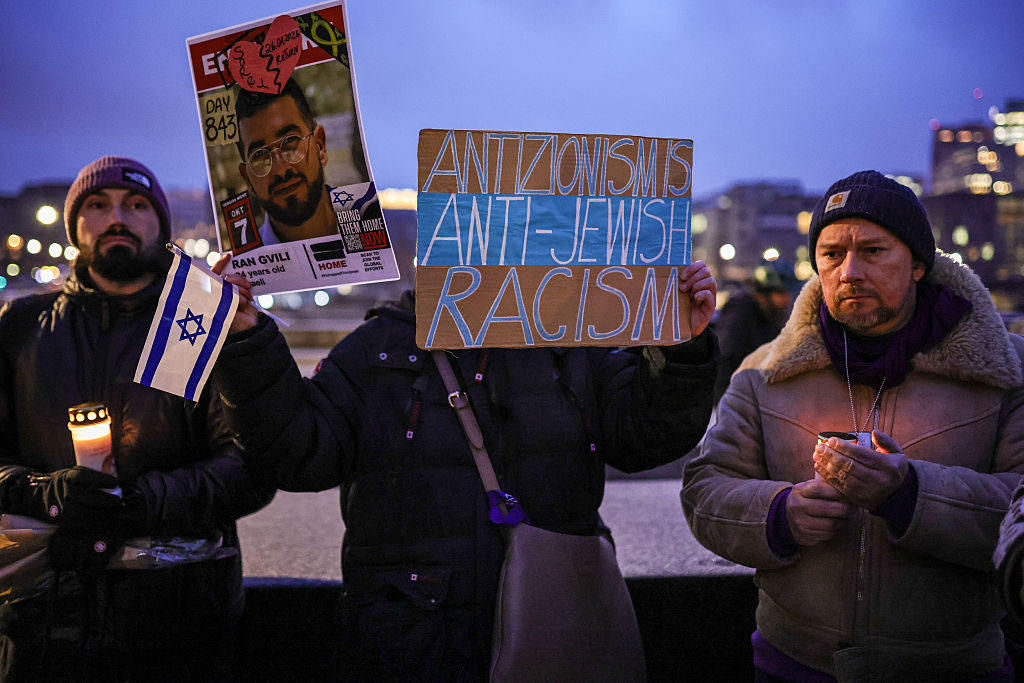
Jews always have faced external enemies seeking to murder us or undermine our way of life. But we have also faced — and continue to face — internal challenges from Jews who for various reasons do not prioritize Jewish physical and spiritual survival. They are assimilationists, or supporters of antizionism. Some are alienated from traditional Jewish beliefs and religious observances. Others are more identified with left-wing politics than with Judaism. They are the modern-day “Hellenizers.”
Will our descendants 100 years from now be living proud, happy and meaningful Jewish lives? This will largely depend on choices we make today. The Jewish future will consist of those — like Matityahu of old — who heroically maintain Jewish faith, traditions, and values; for whom Judaism and Jewishness are primary sources of identity and personal fulfillment. The “Hellenizers” will fade away as Jews.
Matityahu’s heroic challenge continues to resonate for us this Hanukkah: “All those for the Lord come with me.” Those who respond positively are the Jewish heroes of our time. The Jewish future depends on them … on us!
Rabbi Marc D. Angel is Director of the Institute for Jewish Ideas and Ideals, jewishideas.org