With the novel coronavirus, COVID-19, now an official pandemic, those who run the local mikvehs in Los Angeles say they are taking extra precautions when it comes to cleanliness and protecting the men and women who frequent them.
Mikveh Esther in Pico-Robertson sent out an email on March 15 banning those who have tested positive for the coronavirus from using the mikveh. In addition, the email stated anyone that has been in contact with a person who has tested positive must undergo a 14-day self-quarantine before returning.
The email also stated that those who do attend the mikveh “will have their temperature taken before entering. If there is any degree of fever whatsoever, the policy is that the user cannot be allowed in.”
“Standard routine regular cleaning procedures in a mikveh should be perfectly effective against Covid-19. Women should not be allowed to come to the mikveh if they have respiratory symptoms. In general, if one keeps to these guidelines, the mikveh is a very safe place.”
— Rabbi Dr. Aaron Glatt
Mikveh Esther has also switched to an appointment-only system, in an effort to reduce the number of people sharing the space.
A week earlier, on March 8, Mikveh Esther sent out an email noting that it was working to combat the spread of the virus and outlined its protocol for cleaning the mikveh and the accompanying bathrooms/preparation rooms, where women shower, clip their nails, brush their teeth and perform other cleanliness rituals.
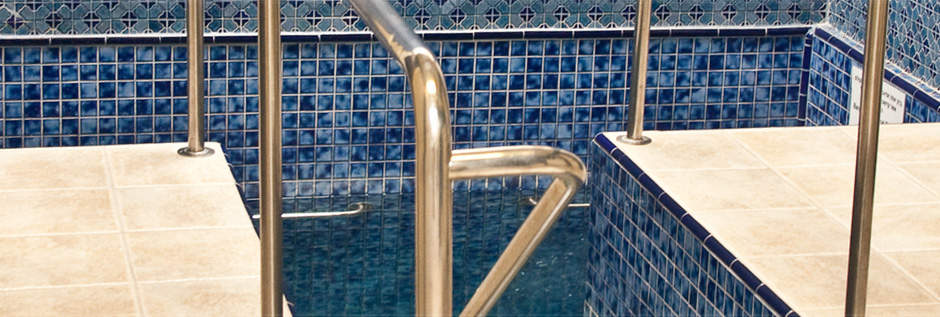
The mikveh pools are chlorinated, filtered, checked and cleaned daily, Mikveh Esther noted, adding the handrail leading down to the mikveh is wiped down after each use with disinfecting cleanser, the bathrooms are cleaned with disinfecting cleanser after each use and other common objects are cleaned frequently.
The Rabbinical Council of America, one of the largest organizations of Orthodox rabbis in the world, also sent out guidelines on March 11. Along with cleaning and disinfecting all common spaces, they encouraged mikveh attendants to wash their hands or use Purell between interactions with clients and ensure minimum waiting room time in order to reduce congestion as well as close contact among patrons.
Rabbi Dr. Aaron Glatt, an associate rabbi at Congregation Anshei Chesed in Hewlett, N.Y., and chairman of medicine and chief of infectious diseases/hospital epidemiologist at Mount Sinai South Nassau Hospital, told the Journal that the mikveh is still a safe place for women.
“Standard routine regular cleaning procedures in a mikveh should be perfectly effective against COVID-19,” he said. “Women should not be allowed to come to the mikveh if they have respiratory symptoms. In general, if one keeps to these guidelines, the mikveh is a very safe place.”