The Centers for Disease Control and Prevention (CDC) has identified three populations that are most at risk from the novel coronavirus, COVID-19: The elderly, those with a chronic medical conditions and those who are immune-deficient.
Three local, Jewish nonprofits are making sure these populations are cared for: The Los Angeles Jewish Home (LAJH) in Reseda, which has been caring for seniors since 1912; Beit T’Shuvah, a 30-year-old treatment and recovery center and an unaffiliated congregation in West L.A.; and Bet Tzedek, the Jewish legal aid office that offers free legal services to more than 40,000 clients a year, many of whom are elderly.
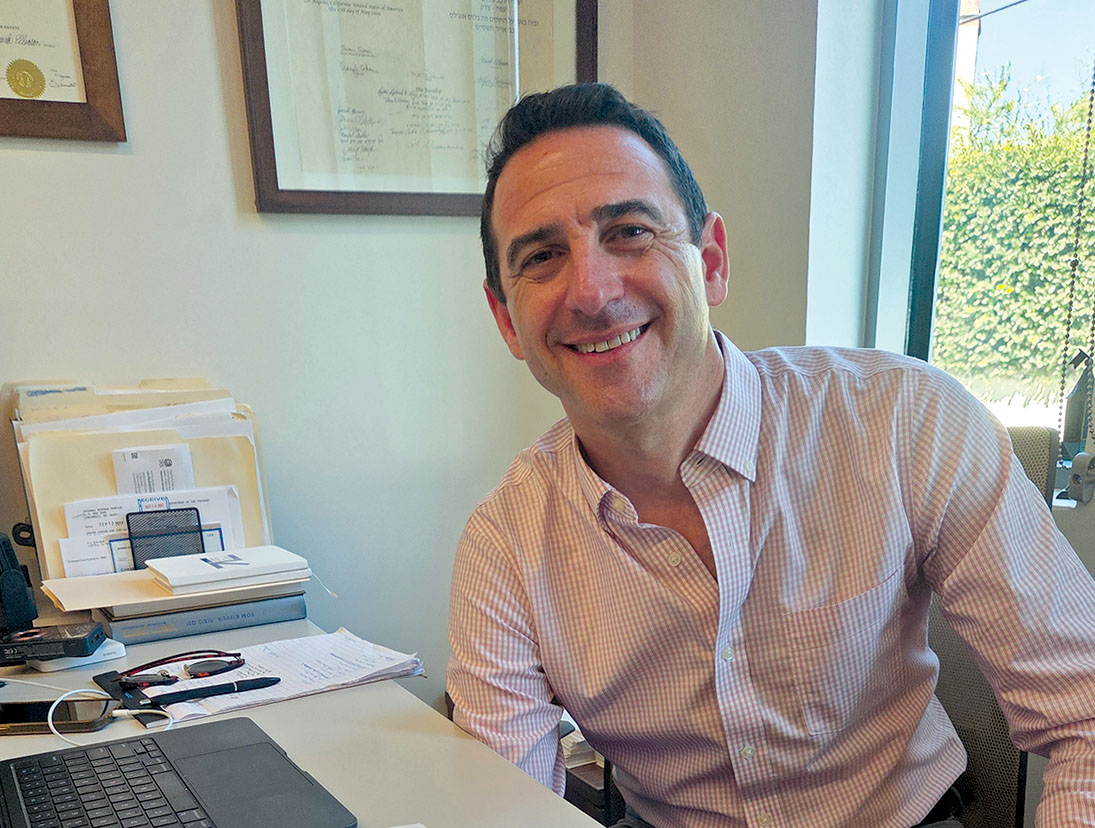
LAJH Chief Medical Officer Dr. Noah Marco, told the Journal that as of press time, none of the home’s staff or 1,100 residents, whose average age is 89 1/2, has exhibited any coronavirus symptoms. He credits the home’s early screening process. For the past several weeks, anyone entering the facility has had their temperature taken. Last week, the home instituted a policy limiting visitors to “those that are essential to the care of residents.”
However, he added, “What we need the most of is a continuous supply of the personal protective equipment. We have an ample supply right now because we have been very proactive and the LAJH is always preparing for challenges. But our supply will dwindle, and our suppliers are being stretched and we have concerns that there may be a time when we won’t have all the equipment we need to protect our residents and our staff.”
Marco also expressed concern about the lack of availability of testing kits. “We do not have them available to us at this time,” he said, adding that he had recently spoken with the Los Angeles County Department of Health, which told him it is processing the tests that it has approved and deem necessary, but do not have a specific time frame as to when the tests are going to be available.
“What we need the most of is a continuous supply of the personal protective equipment. Our supply will dwindle, and our suppliers are being stretched.”
— Dr. Noah Marco, LAJH
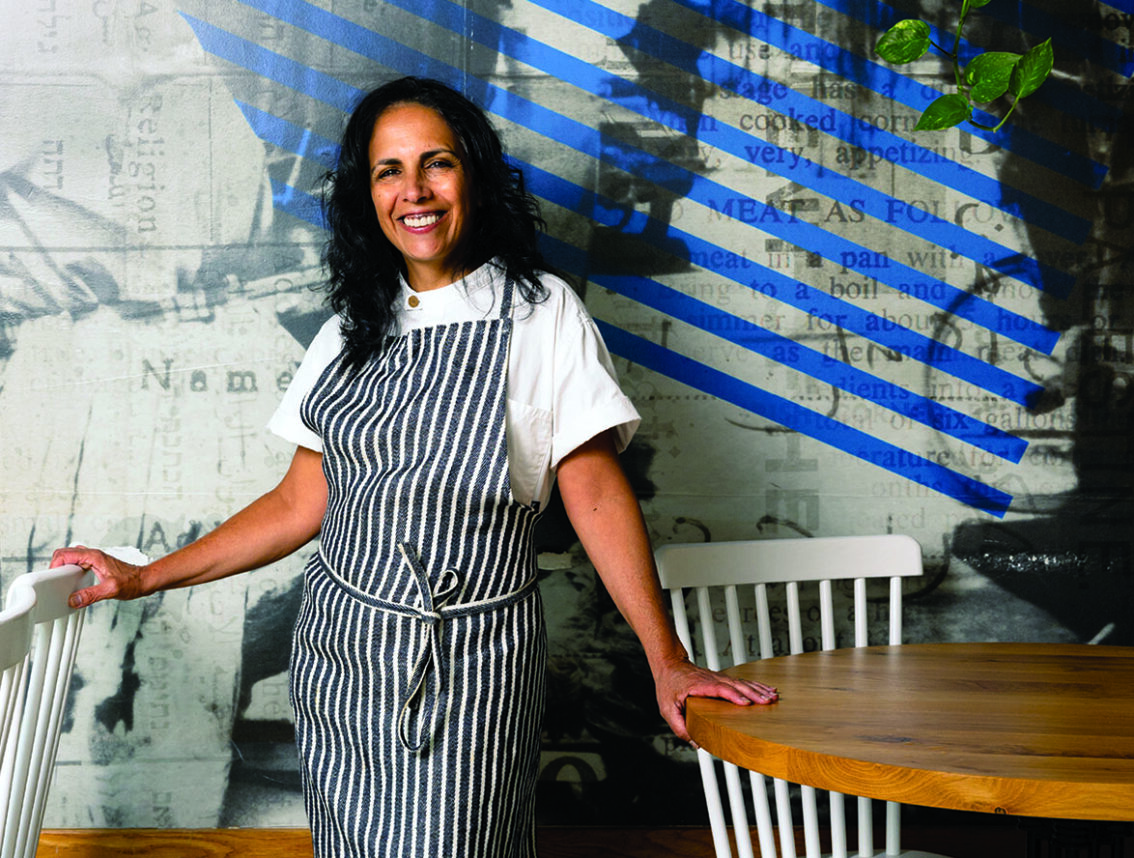
Beit T’Shuvah has activated its emergency management procedures. Dr. Sergio Rizzo-Fontanesi, the center’s acting executive director, told the Journal in an email that the center “is currently closed to the public until further notice.” Only current residents and essential staff are allowed on the property and all events and meetings are canceled. Like LAJH, Rizzo-Fontanesi said Beit T’Shuvah is “prepared and has essential necessities [but has a] limited supply of hand sanitizer, cleaning products, masks and gowns.”
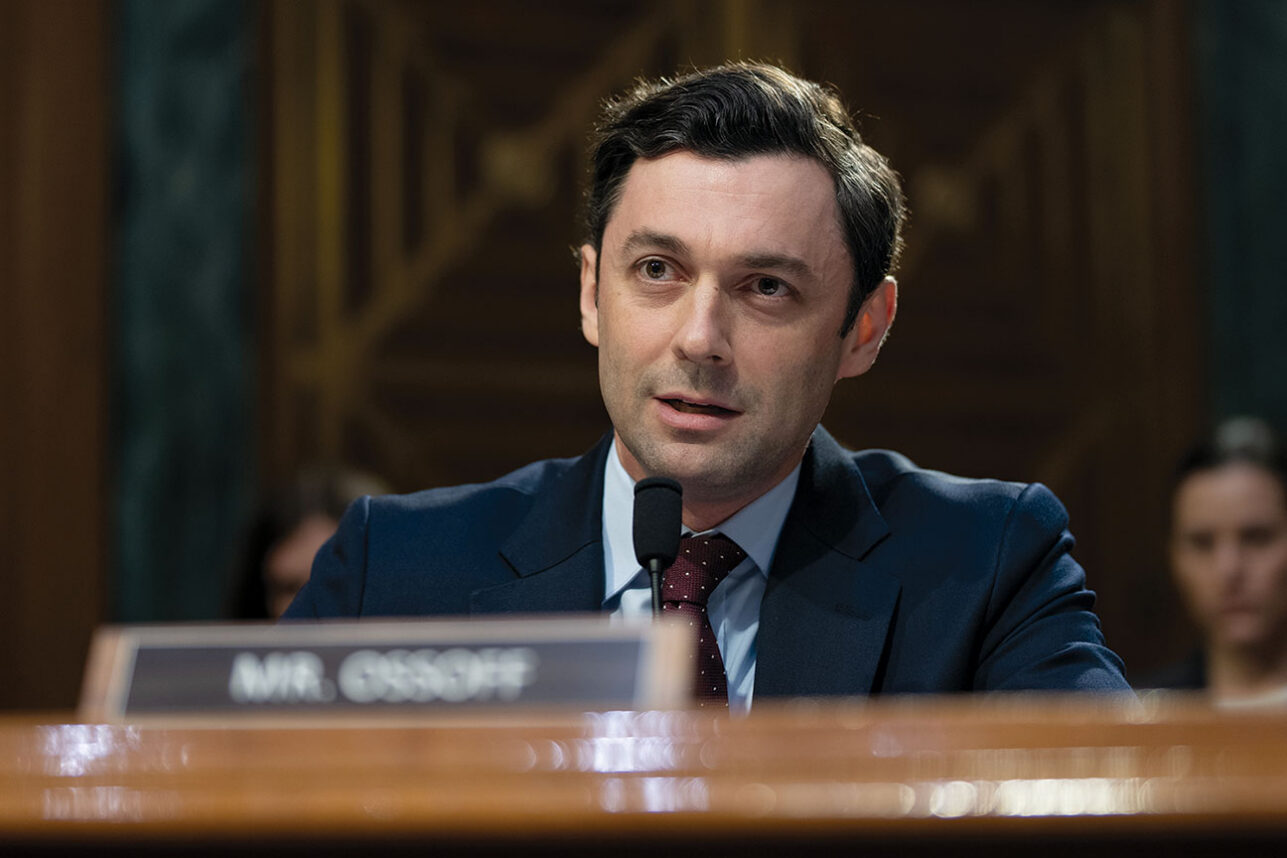
In a separate email to the Journal, Bet Tzedek CEO Diego Cartagena said the organization is now offering its services only by phone. Staff is working at home, and in-person appointments are limited to those “absolutely necessary, such as securing a client signature.”
Cartagena added that many of Bet Tzedek’s clients are low-wage workers in restaurants and construction — businesses that have been significantly affected by the coronavirus — and “are facing wage reductions they cannot survive.”
He added that while he applauds the efforts local and state governments have made, such as eviction moratoriums, “[I am worried that] undocumented immigrants may forgo necessary treatment for fear they may be deemed a public charge under the new, more strict version of this rule.”
Under the public charge rule, immigrants to United States classified as likely or liable to become a public charge may be denied visas or permission to enter the country because of their disabilities or lack of economic resources.