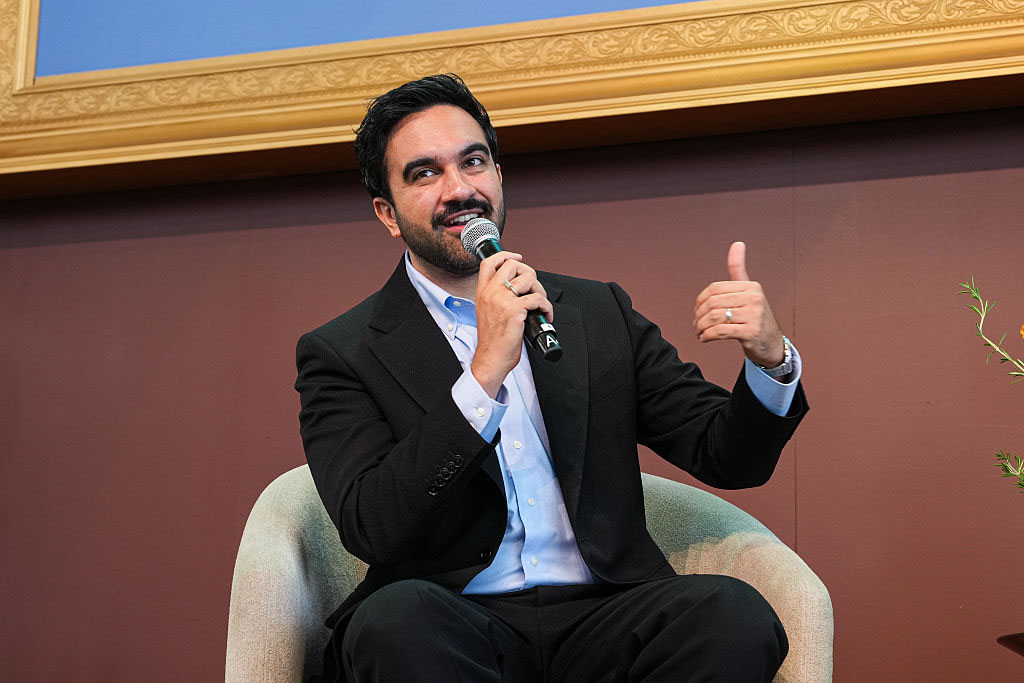
In an effort to bring people together in what he sees as an increasingly lonely world, Joe Green co-founded Treehouse, a co-living housing initiative. He opened the first one last summer in Hollywood and currently is building a second one in Koreatown.
Green, 36, calls the initiative an “intentional community,” whereby every tenant must promise to commit to being “kind, present, curious, responsible and candid.” While each tenant has his or her own bedroom and bathroom, the building has a large communal dining room, library, music studio and café. On Sundays, the tenants meet for a group dinner.
“It’s about finding deep connection in a supportive community,” Green said. “We have an epidemic of loneliness in our society, and depression rates are through the roof.”
Not one to rest on his laurels, Green also works with other philanthropists to fund the Psychedelic Science Funders’ Collective, which funds U.S. Food and Drug Administration clinical trials for the psychedelic drug MDMA (also known as ecstasy) in the treatment of post-traumatic stress disorder (PTSD). Green said the Israeli government also has invested $500,000 for an extended trial of MDMA, which Green and his partners matched.
“It’s about finding deep connection in a supportive community. We have an epidemic of loneliness in our society, and depression rates are through the roof.”
Today, Green combines his appreciation for both Jewish and Buddhist tenets in his philanthropic efforts, but his beliefs took time to develop. Growing up in Santa Monica, his family was active at Leo Baeck Temple, and while he was interested in social activism, Judaism didn’t really resonate with him. While still in high school, he ran for the school board and campaigned for a living wage for restaurant and hotel workers.
However, when he attended Harvard, Green joined AEPi, the Jewish fraternity, which, he said, gave him a greater sense of belonging. It’s also where he met Facebook founder Mark Zuckerberg and the two later became roommates.
After graduation, Green developed software for political campaigns and went on to work with Zuckerberg to start a political action campaign, FWD.us, dedicated to comprehensive immigration reform. “Because of my Jewish upbringing, and as a descendent of immigrants, we should be welcoming,” Green said.
In 2014, Green took a sabbatical to “find a balance between trying to impact the universe and be in the universe.” He said he decided to take “a kind of shotgun approach to spirituality — try a bunch of stuff and see what sticks.”
He went to Israel, where another former Harvard roommate connected him with Rabbi James Jacobson Maisels, the founder of Or Halev, the Center for Jewish Spirituality and Meditation, which combines Buddhist and Chasidic meditation techniques, and in 2015 Green participated in a six-day silent retreat at Or Halev, which he called a “a truly life-changing experience.”
Today, he is Or Halev’s biggest donor, sits on the board, and has helped Maisels to establish an annual retreat in California.
Returning to California in 2016, Green became more immersed in Judaism. His father, a math professor at UCLA, turned him on to Abraham Joshua Heschel, who became Green’s favorite Jewish writer. “I love reading him,” he said. “It’s like poetry.”
Quoting Heschel, Green said Shabbat “is about creating a palace of time … an architecture of rest.” Inspired by Heschel, he looked for ways to integrate the idea of Shabbat into his life and decided to not use phones or computers on the Sabbath.
It’s how Green eventually created these intentional communities. He said he finally came to understand that “meditation teaches you how to be present; in the moment. Technology is constantly pulling you out.”
Click here to see more of our 2020 mensches!