When we talk about protecting Jews from the alarming rise in antisemitism, we usually focus on traditional threats like protection from bullying, harassment, discrimination, double standards, hate speech and so on.
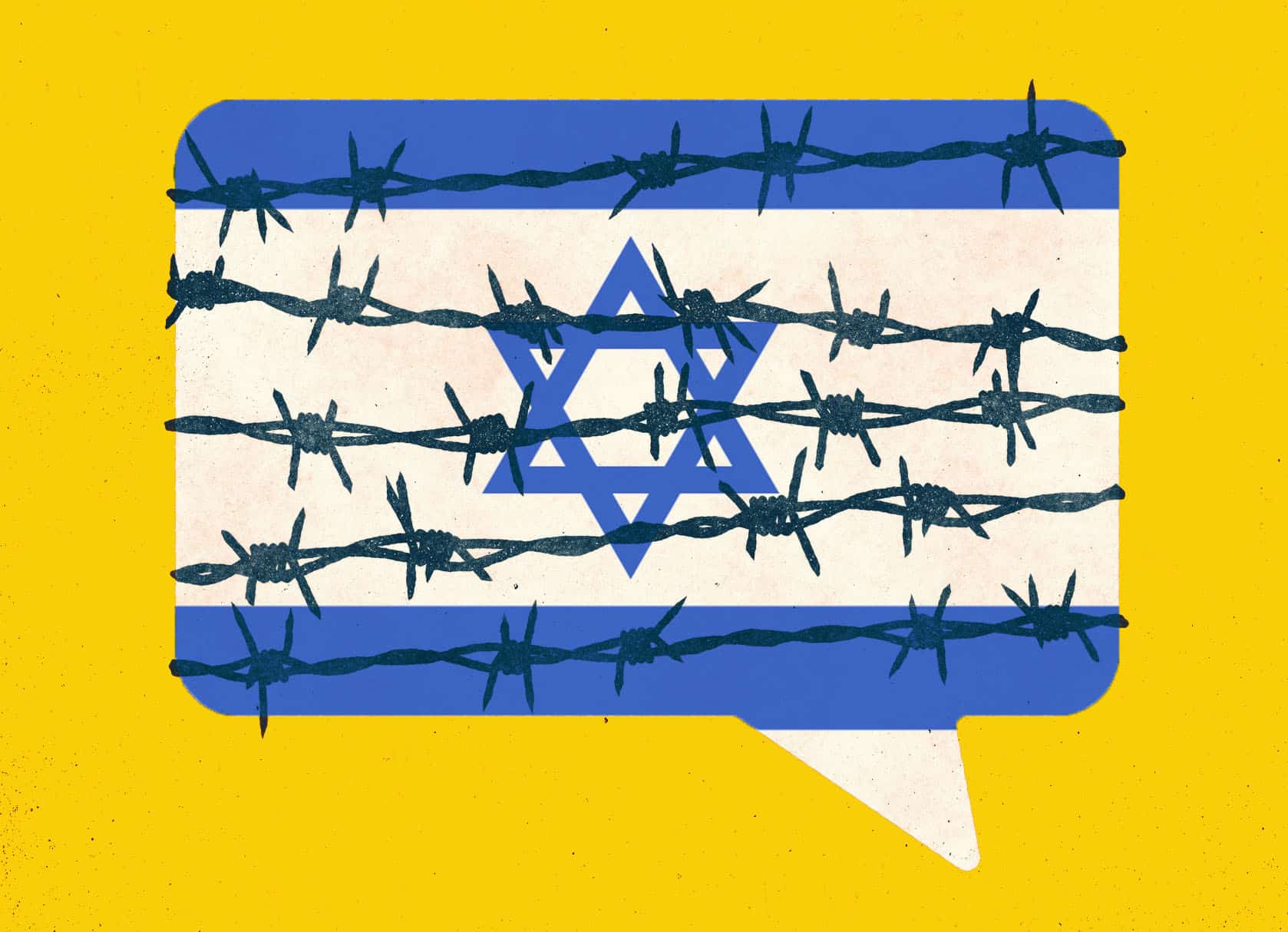
But there is a deeper threat we should not overlook—the threat that we will become so weary of the harassment that we will censor ourselves or limit our freedom of expression. In other words, we can’t allow the proliferation of hysterical anti-Israel protests to cower us into limiting our voices.
A recent example, which occurred at UCLA, was moving a Tzipi Livni event from in-person to online in the face of anticipated protests. Evidently, chapters of the Students for Justice in Palestine (SJP) at UCLA announced demonstrations to “make sure war criminals are NOT welcome on our campus!” To “avoid disruptions,” the powers-that-be cancelled the in-person event and moved it online.
UCLA is hardly alone. The human volcano of Jew hatred spreading through college campuses and city streets is even going after Matisyahu concerts. The haters mean business. They’re bullying Jews wherever they go.
The mob that verbally assaulted Jerry Seinfeld last week as he was leaving a Bari Weiss event at the 92nd Street Y wasn’t there to fight for Palestinian rights. The screamers were there to put Jews on notice that they will not leave us alone; that they will heckle and intimidate us at every turn until we cower and hide.
“Our eyes are on every department and corner of campus,” SJP wrote triumphantly in a statement. “We will not rest until the UC cuts all ties with the Zionist state.”
As Seth Mandel wrote in Commentary, “This is why the pro-Hamas demonstrators and activists do what they do. Because they can’t say ‘don’t serve Jews.’ But they can and will make your life hell if you serve Jews.”
Making Jewish lives hell is the guiding light of this hate movement. We shouldn’t underestimate the threat, if only because it’s human nature to want to be cautious and avoid confrontation, especially if we think that confrontation may turn violent.
The problem is that cowering never works. It just makes the haters smell blood. The more we cave to their intimidation, the more they will harass us, the more Jews will censor themselves.
And once we limit our voices, what do we have left?
To her credit, Dr. Kira Stein of UCLA protested the decision to move the event online, noting that “Antisemitism, particularly in the form of anti-Zionism, is intimidating both faculty and students on campus. By backing down to anti-Jewish threats, antisemitism will be emboldened, and things will get worse.”
Instead of caving, just like Dr. Stein our community should push back at every turn. One, we should continue the fight to eliminate the harassment and intimidation of Jews using all legal means at our disposal; and two, stage more and more Jewish events while insisting on better and tougher security.
What shouldn’t be an option is to give in to the intimidators. Any time we do so is another victory for the haters. As a friend mentioned recently, Jew haters would love nothing better than to move Jewish and Zionist voices “underground,” perhaps because they know the power of our collective voice.
Indeed, if there is one freedom Jews have valued in our long journey in America it is the freedom to speak freely and without fear. That freedom is priceless not just for Jews but for anyone who understands the soul of our country.
How ironic that haters are now using their own freedom of expression to suffocate ours. It’s the cynicism of “freedom of speech for me, but not for thee.”
It’s bad enough that we’re forced to confront a troubling rise in antisemitic bullying. The least we can do is make sure we come out of this fight with a louder and more assertive voice, not a quieter one.
And that includes not moving our events to Zoom.