Shavuot has middle-child syndrome in that it is largely invisible to most liberal American Jews. Although it is one of the three major festivals in the Jewish calendar, Passover takes top billing in American-Jewish culture. Sukkot, the other festival, is not nearly as well known as Passover, but there seems to be more awareness of this holiday in some liberal Jewish communities because of an increased interest in building a sukkah, the portable backyard structure symbolizing this festival.
But unlike Passover and Sukkot, Shavuot doesn’t have a home-based set of rituals that promotes a wider cultural recognition. Observance of Shavuot largely involves synagogue services, which can include an all-night study session on the first evening known as the tikkun leil Shavuot.
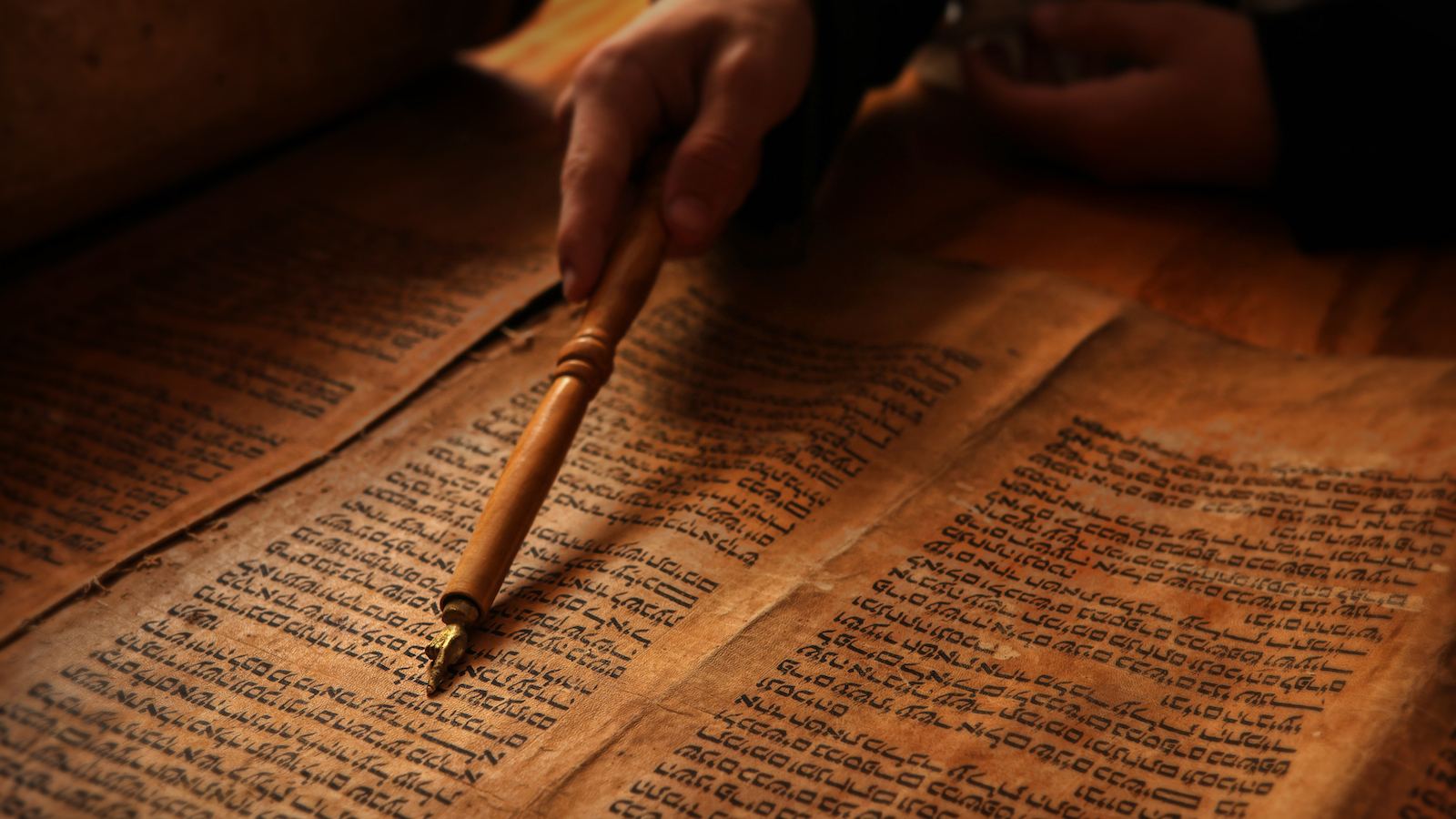
According to rabbinic tradition, Shavuot is when God gave Jews the Torah. Although the Torah does not explicitly mention this as the basis for the holiday, the sages of the Talmud understood this explanation to be the festival’s primary meaning. However, this theological grounding does not enhance Shavuot’s appeal.
People often ask me where faith in God fits into the picture of Jewish identity and transmission. This topic is complicated. It seems to be the case that among many Jews, including some who profess to be religious, faith and observance do not necessarily go hand in hand. In my experience, faith is not a subject many liberal Jews are comfortable openly discussing. In today’s highly secularized American society, many Jews prize autonomy and personalization. Liberal Jews do not respond well to being told what to do and how to believe.
In theory, Judaism demands loyalty to a monotheistic perspective, but in practice, the Jewish religion largely focuses on actions rather than belief. Many people believe actions influence emotions; therefore, Judaism largely focuses on what a person does rather than what he or she believes. Although studies show both faith and observance are stronger among the traditional end of the denominational spectrum, there is evidence of individual choice even among traditionally observant Jews.
Many people don’t realize that freedom of choice regarding observance isn’t a novel concept with respect to Jewish tradition. In fact, the element of choice dates the Revelation at Mount Sinai. According to the Torah, when Moses told the people all of God’s commandments, the people answered with one voice, saying, “We will do.” It was their collective choice to obey. Also, an ancient rabbinic source — Midrash Rabbah (Exodus 5:9) — tells us that even at the time of Revelation, God’s voice came “to each Israelite with a force proportioned to his individual strength.” This source underscores the importance of human individuality with respect to how humans received the Torah.
On Shavuot, we read the Book of Ruth, a text furnishing one of the most renowned examples of the importance of choice. Ruth, a Moabite woman, married one of Naomi’s sons, who later died. Ruth refused to return to her own people and instead, uttered the famous pledge of loyalty: “For wherever you go, I will go … your people shall be my people, and your God my God.”
This Biblical narrative concludes with Ruth marrying Boaz, a relative of Naomi’s deceased husband, and bearing a son named Obed, who was the grandfather of King David. The placement of this lineage at the end of the text is particularly significant because according to lore, the Messiah will be a descendant of King David and of Ruth, the woman who chose to be Jewish.
As a practical matter, we live in an era where cultural forces make it difficult to secure a balance between fluidity and choice versus preservation of tradition. Liberal Jews need to contemplate how they can accomplish successful transmission of Jewish tradition outside a framework based on obedience to divine command.
The festival of Shavuot, coming as it does after the frenzy of Passover but well before the High Holy Days, provides a well-placed opportunity to contemplate the choices we make on our Jewish journeys and how they will impact the next generation.
Roberta Rosenthal Kwall is a law professor, author and Jewish educator with a focus on American Judaism. Her latest book is “Polarized: Why American Jews are Divided and What to do About It” (October, 2026, Bloomsbury Press).