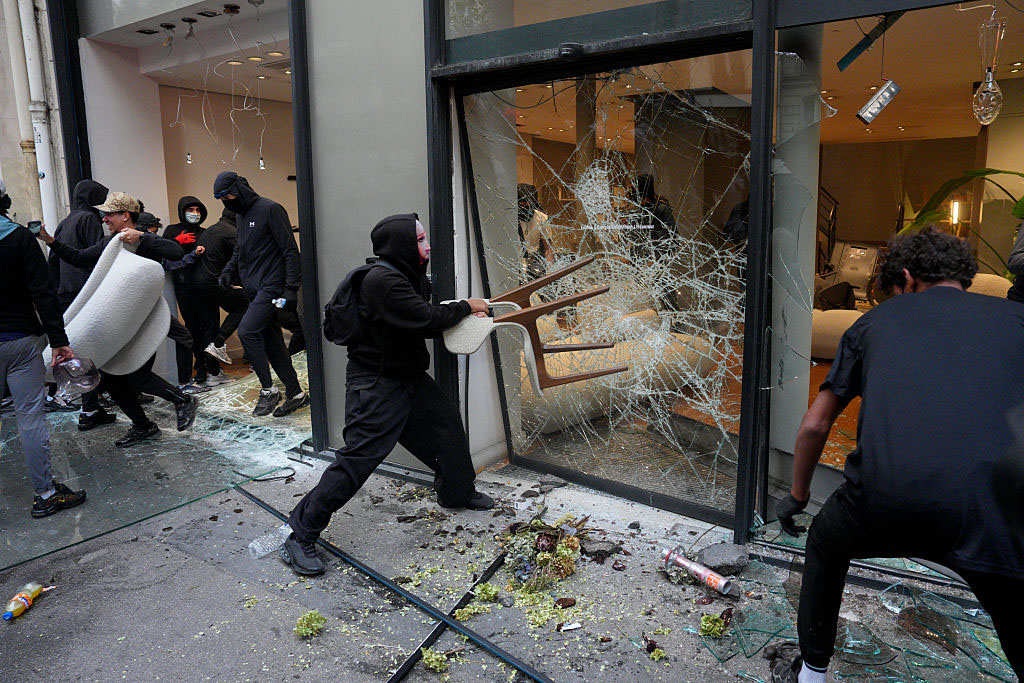
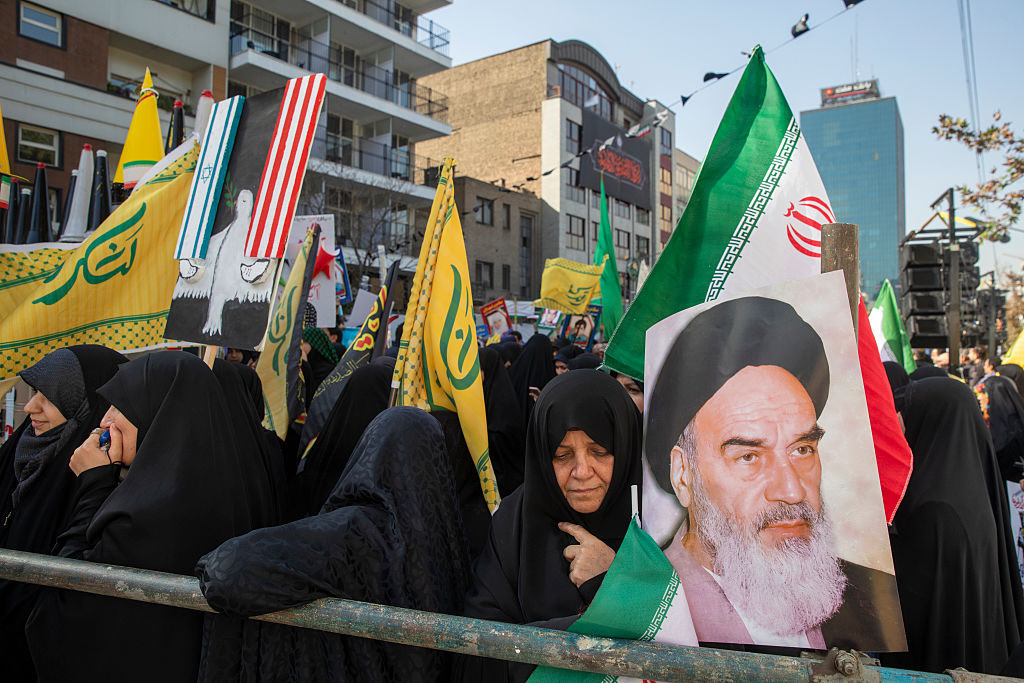
Anything is possible in Iran today. Iran’s Supreme Leader Ali Khamenei is trying to sound defiant, blaming foreign enemies for stirring unrest, but fear seeps through every statement. Police and soldiers drag protesters from the streets of every major city. For now, the death toll remains in the dozens — not the thousands seen in 2009 or 2022.
That restraint has a name: Donald Trump.
This time, threats are not rhetorical. Trump has warned publicly that if the regime shoots peaceful protesters, the United States will intervene. Tehran remembers well what followed previous ultimatums: American F-15s flying alongside Israeli jets to Fordow, Natanz and Isfahan. The message is unmistakable.
On Saturday, the 86-year-old Khamenei, in his first public speech since the social unrest rocked his regime a week before, alleged that “agitated people, enemy mercenaries, had positioned themselves behind bazaar merchants and chanted slogans against Islam, against Iran and against the Islamic Republic.”
“Protest is legitimate, but protest is different from rioting,” he added, warning that “rioters must be put in their place.”
The protests themselves are unprecedented in breadth. Not only students, not only women, but everyone — workers, the elderly, entire families — are in the streets chanting, “Death to Khamenei.” Iran is exhausted by Islamist repression and by distant jihadist wars that have turned it into a pariah. Hunger and thirst stalk the population while the regime invests in missiles and terror.
Tehran is not alone. Reports — still unconfirmed — speak of Russian, Chinese and Belarusian fighters and weapons arriving in Iran, a clear signal of the emerging anti-Western bloc aligned with jihadist forces. This is the same axis that linked Khamenei to Nicolás Maduro, Hamas and Hezbollah, turning Venezuela into a sanctuary for clerics and IRGC operatives after Iran’s 2009 uprising.
In London, The Times reports that Khamenei has prepared a contingency plan to flee if security forces fail to suppress the protests. According to the report, the plan would involve leaving Tehran with a tight circle of about 20 advisers and family members, similar to Bashar Assad’s escape to Moscow after the fall of his regime in December 2024.
Israeli Prime Minister Benjamin Netanyahu has voiced solidarity with the Iranian people and expressed hope that they can seize control of their future. Israel’s position is clear and consistent: Stand against regimes that openly declare war on Western civilization and on the Jewish people.
Trump has not used the words “regime change,” but history may force them upon him. What is certain is that the alternative cannot be imposed from outside. It must rise from the Iranian people themselves, rooted in Persia’s ancient, non-Islamist identity. The ayatollahs cannot simply negotiate or flee; their ideology prefers martyrdom to compromise.
The world is shifting by the hour. Vladimir Putin and Xi Jinping have little reason to smile. If Tehran falls after Caracas, the shock will echo far beyond the Middle East.
It would be a moment not unlike the fall of the Berlin Wall — a defeat for totalitarianism that no resolution at the United Nations could undo.
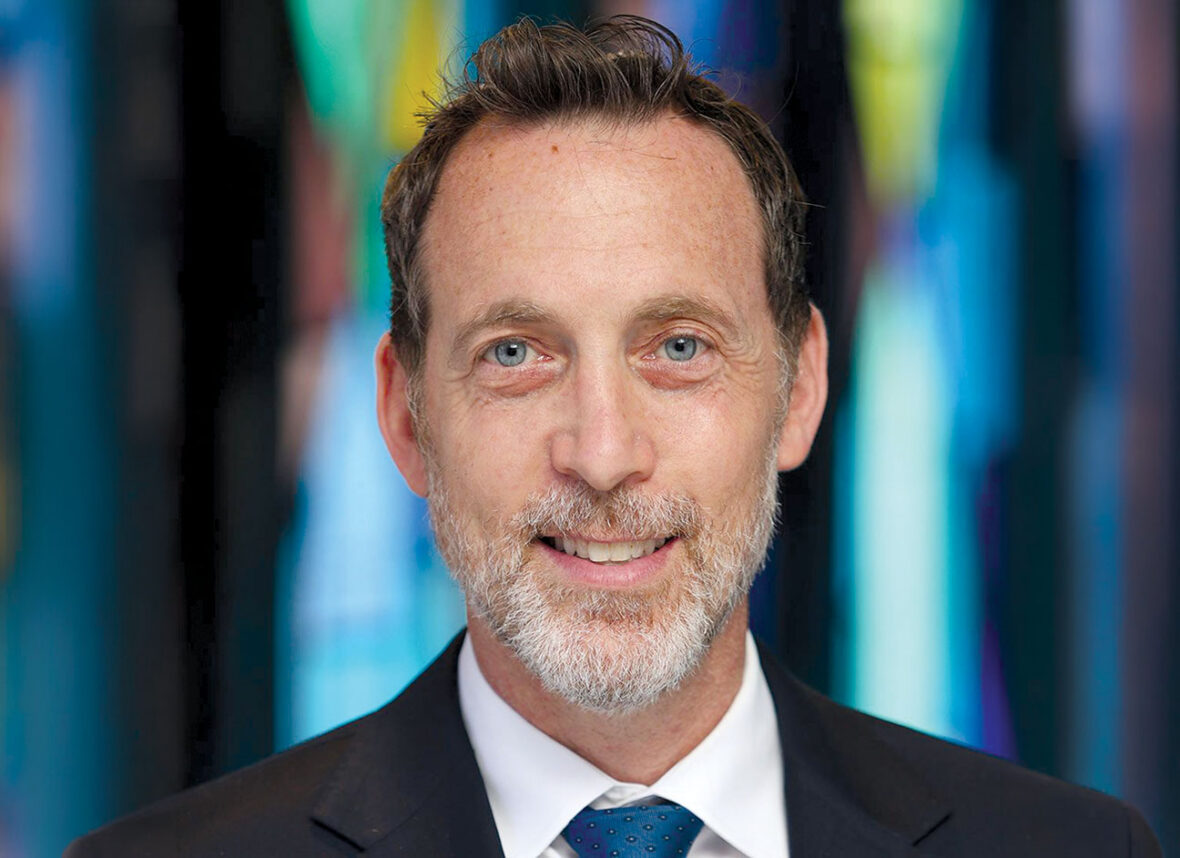
Fiamma Nirenstein is an Italian-Israeli journalist, author and senior research fellow at the Jerusalem Center for Public Affairs.