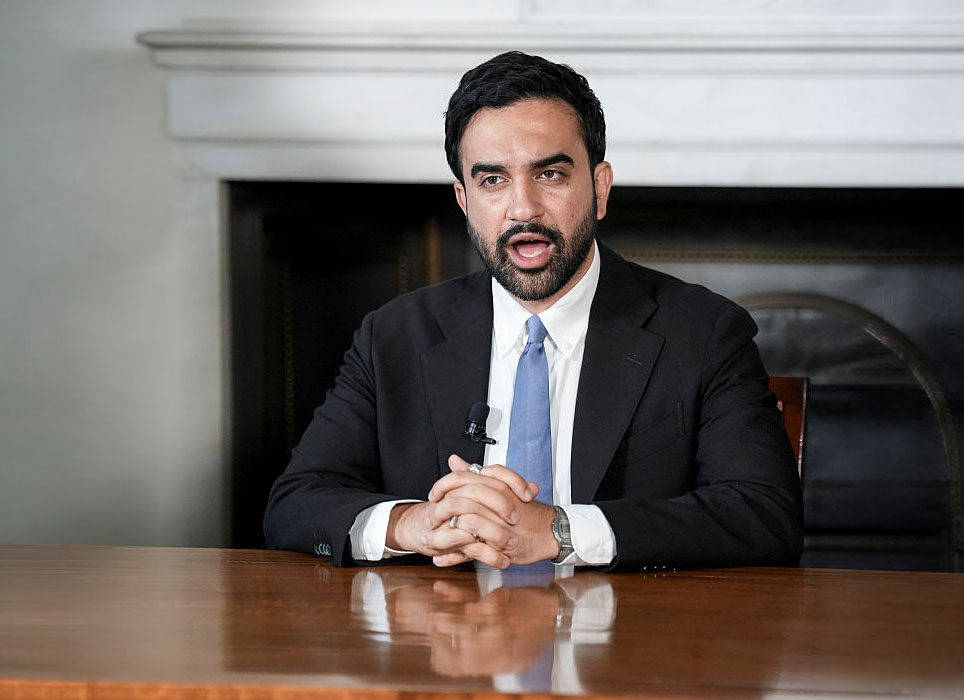
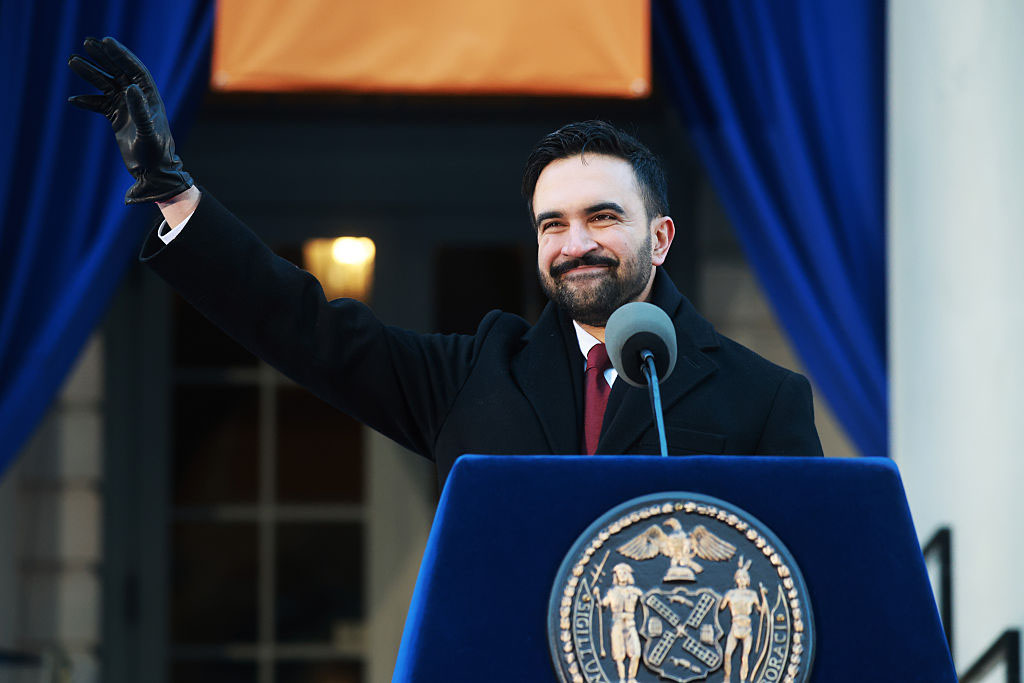
After watching the first days of Zohran Mamdani’s term as mayor of New York City, I have a few questions for the new mayor:
1) In the aftermath of the Bondi Beach tragedy, the two largest police forces in Great Britain have begun arresting individuals who use the phrase “globalize the intifada” in certain public settings. They believe that these words can no longer be interpreted as anything other than a call for the widespread murder of Jews. Would you give similar instructions to the New York City Police Department? Why or why not?
2) You have been a longtime advocate for the Boycott, Divestment and Sanction movement against Israel for what you allege are human rights violations. Will New York City enforce similar measures against Iran, Russia, China, North Korea, Belarus, Sudan, Syria, Eritrea, Yemen, Tajikistan, Turkmenistan and Myanmar? If not, can you explain why these countries’ human rights violations are not worth your official disapproval?
3) You have revoked the International Holocaust Remembrance Alliance working definition of antisemitism, which reads as follows: “Antisemitism is a certain perception of Jews, which may be expressed as hatred toward Jews. Rhetorical and physical manifestations of antisemitism are directed toward Jewish or non-Jewish individuals and/or their property, toward Jewish community institutions and religious facilities.” What language in these two sentences do you find objectionable?
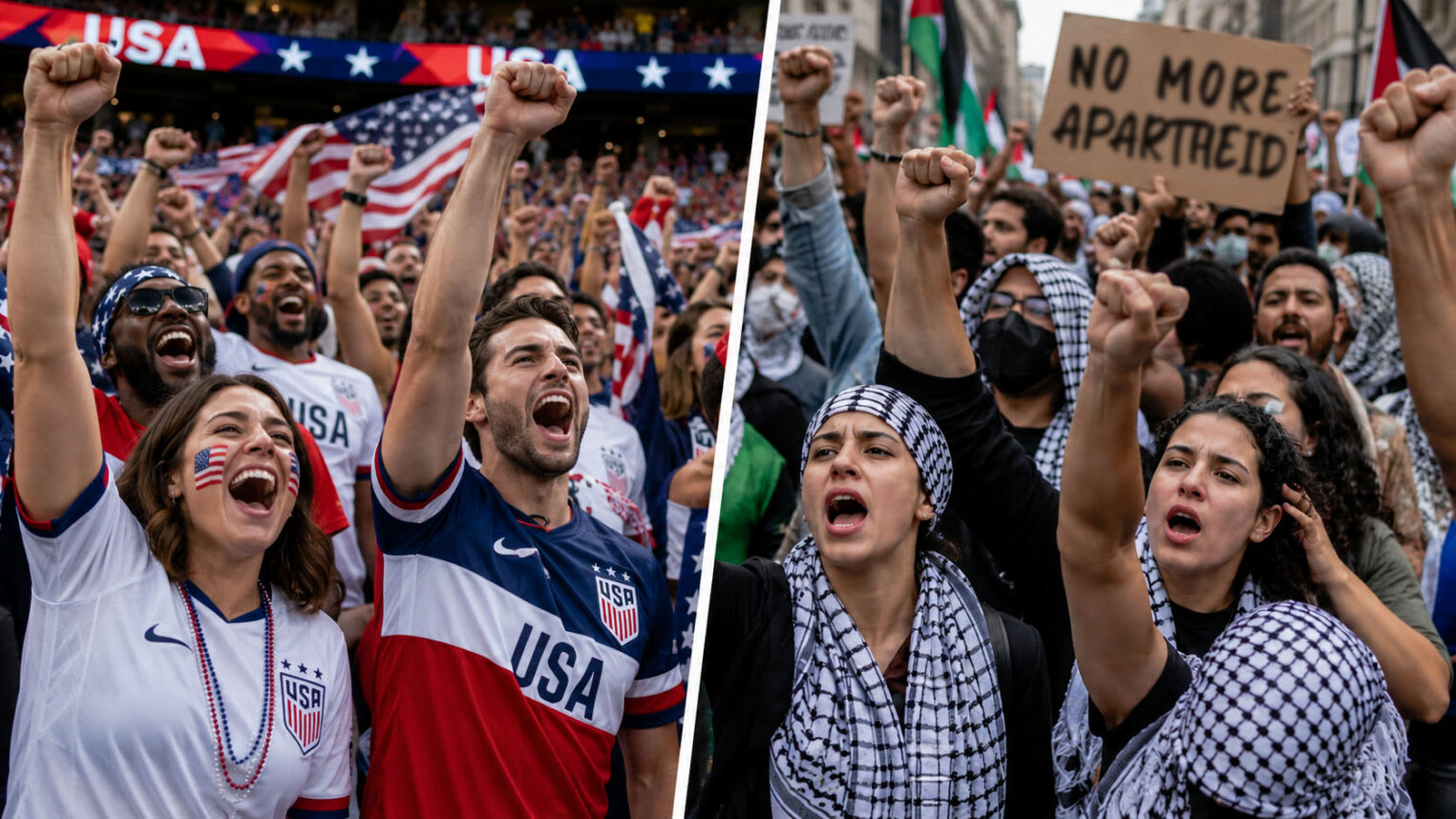
4) Federal courts have ruled that preventing Jewish students at Columbia, UCLA and other universities from attending classes and accessing campus facilities violates their constitutional rights. What penalties should New York City impose against protesters who behave in a similar fashion?
5) When Manhattan’s Park East synagogue was the target of violent protests shortly after you were elected, your spokesperson said that “sacred spaces should not be used to promote activities in violation of international law.” Do you believe that encouraging Jewish migration to any part of Israel is illegal?
6) You overturned executive orders issued by your predecessor providing protection for Jews relating to questions 2, 3 and 5 above. Were these done as part of a complete reversal of Eric Adams’ actions or were they targeted specifically toward your city’s Jewish community?
7) One executive order that you did not overturn will maintain the Mayor’s Office to Combat Antisemitism. You also announced that you will reorganize the office’s structure and responsibilities. In what way? What role will the Jewish community have in selecting the office director and staff, as well as influencing its new charter?
8) Should Hamas be required to disarm? If so, who should be responsible for disarming them?
9) Do you support the current populist uprisings in Iran? Should Ayatollah Khamenei be that country’s leader? How do you feel about the mullahs’ beliefs on women’s rights, freedom of religion and speech and oppression of the LGBTQ community?
10) You have opposed Israel’s existence as a Jewish state, saying you are “not comfortable supporting any state that has a hierarchy of citizenship on the basis of religion or anything else.” Would you hold the self-proclaimed Muslim states of Afghanistan, Brunei, Iran, Mauritania, Oman, Pakistan, Saudi Arabia and Yemen to the same standard? How about countries that have proclaimed Islam as their official state religion, such as Algeria, Bahrain, Egypt, Iraq, Jordan, Kuwait, Libya, Morocco, Qatar, Tunisia and the United Arab Emirates? Should a Palestinian state be permitted to declare Islam as its official religion?
11) Alternatively, would it be easier to recognize 27 Muslim countries and one single Jewish state? Or do you judge these two religious faiths differently, and apply similarly skewed standards to residents of these nations based on their beliefs and heritage?
12) In your inaugural address, you asked “Where else could a Muslim kid like me grow up eating bagels and lox every Sunday?” Have you also tried matzah and maror with salt water? Are you aware what these foods represent to the Jewish people?
Bonus question: In addition to a shared affinity for baked chewy bread rolls with poppy seeds, what other reassurance can you offer to Jews who are not reassured by your answers to the previous 12 questions?
Dan Schnur is the U.S. Politics Editor for the Jewish Journal. He teaches courses in politics, communications, and leadership at UC Berkeley, USC and Pepperdine. He hosts the monthly webinar “The Dan Schnur Political Report” for the Los Angeles World Affairs Council & Town Hall. Follow Dan’s work at www.danschnurpolitics.com.