Being Jewish can often feel pretty lonely, for good reason. We comprise only 2.4% of the total U.S population, and so it may be a somewhat isolating experience when we venture outside of our close-knit communities. This is a challenge we have faced throughout our history, but those feelings have been more apparent in the two-plus years since the Gaza War first erupted.
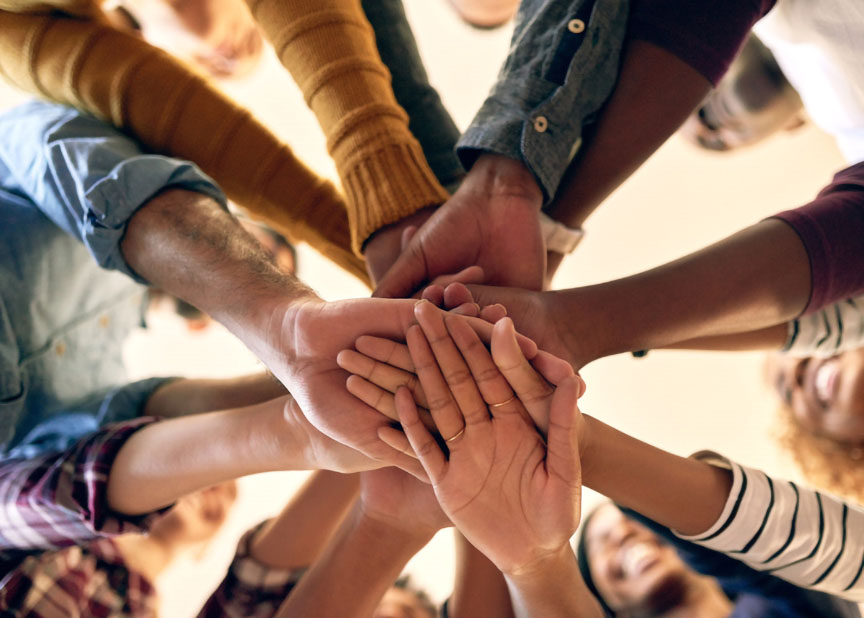
When we face heightened levels of antizionist and antisemitic prejudice, it often seems like the societal walls are closing in around us. But if growing our numbers would create a greater level of safety and support, then we would appear to have only two options. The first is to begin procreating at a greatly accelerated rate, as the Haredi have done in Israel and markedly increased their political standing in the process. The other, and seemingly more realistic, alternative is to do a much better job of making friends, especially with members of other underrepresented communities.
There have been times in the past when Jews have prioritized such outreach, most notably through the civil rights movement of the late 20th century. But in recent years, we have allowed those efforts to ebb. The unfortunate result is the surprising levels of anti-Israel sentiment we have recently experienced from those who we assumed would be our allies, but instead established solidarity with what they see as their Palestinian fellow underdogs.
But the Jewish Conservative movement has now taken an important step toward expanding our presence and our impact with a long-overdue decision to accept interfaith couples and apologize for decades of treating intermarriage as a threat. A working group representing the denomination’s three main arms conducted a two-year broad-based research project that helped them realize the movement’s longtime hostility was both outmoded and counterproductive.
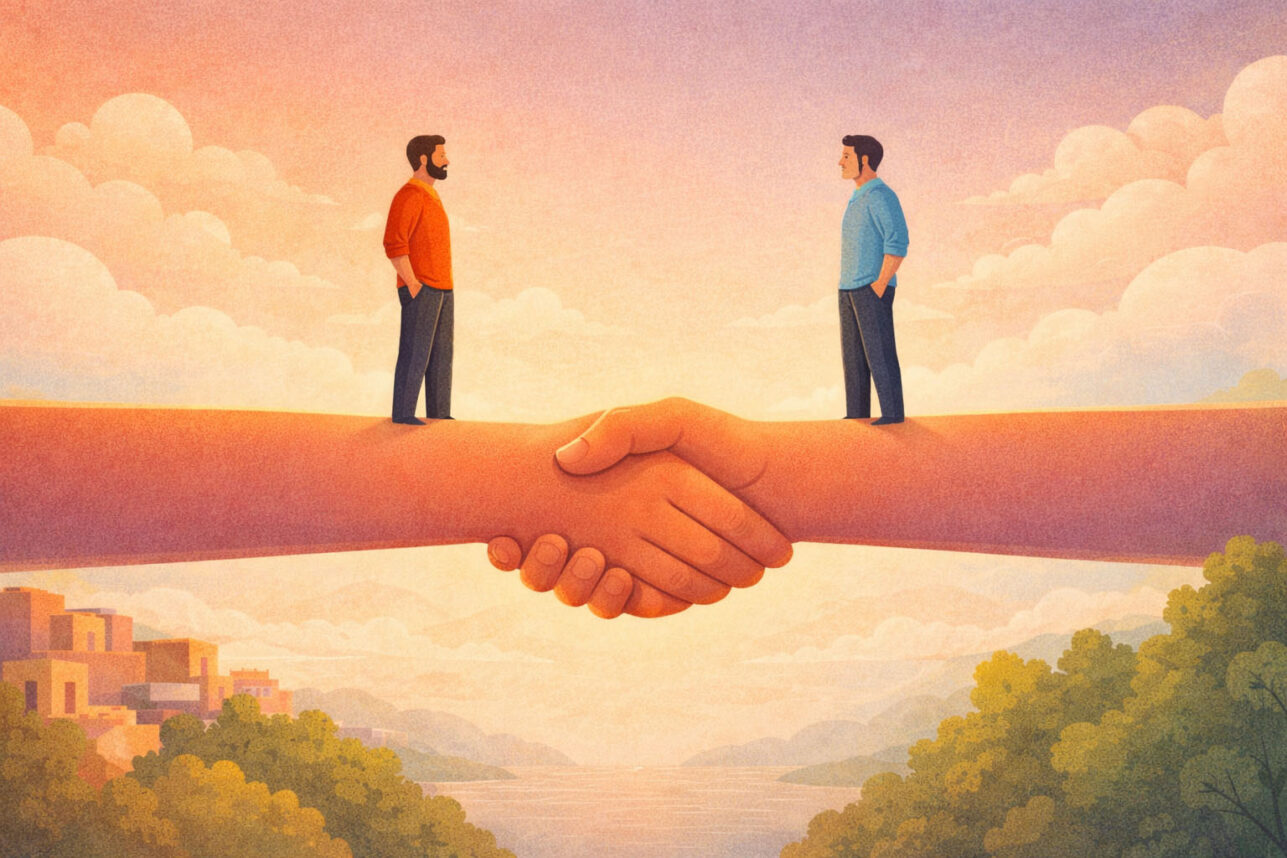
Overall, about 42% of American Jews are married to non-Jewish spouses. But recent trends are even more noticeable. When the current ban was instituted in 1973, only 18% of Jewish spouses were non-Jewish. But since 2010, 61% of Jews who married have wed non-Jews. If even a portion of those spouses converted, felt more welcome in our synagogues or chose to raise their children as Jewish, our population would swell considerably. Far more important than the raw numbers, though, is the warmer and more inviting attitude toward others that the shift represents. But while being more respectful of interfaith marriage represents overdue progress, one of the most important reasons that we remain so isolated is by our own doing. The political scientist Robert Putnam talks about two ways of building social capital, which he defines as communal bonds of connection and trust that facilitate coordination and cooperation for mutual benefit. Putnam uses the terms “bridgers” to describe those who attempt to create relationships with those of different backgrounds and beliefs and “bonders” as those who concentrate on strengthening ties with those of similar experiences and identity.
Throughout our history, the Jewish people have been much more committed “bonders,” often as a result of necessity and survival. But there are times when we would benefit from being “bridgers” as well. We are now living in such times, when solidarity is important but only the first step toward more meaningful and respectful outreach toward potential allies. Our safety on the post-Gaza landscape will require both.
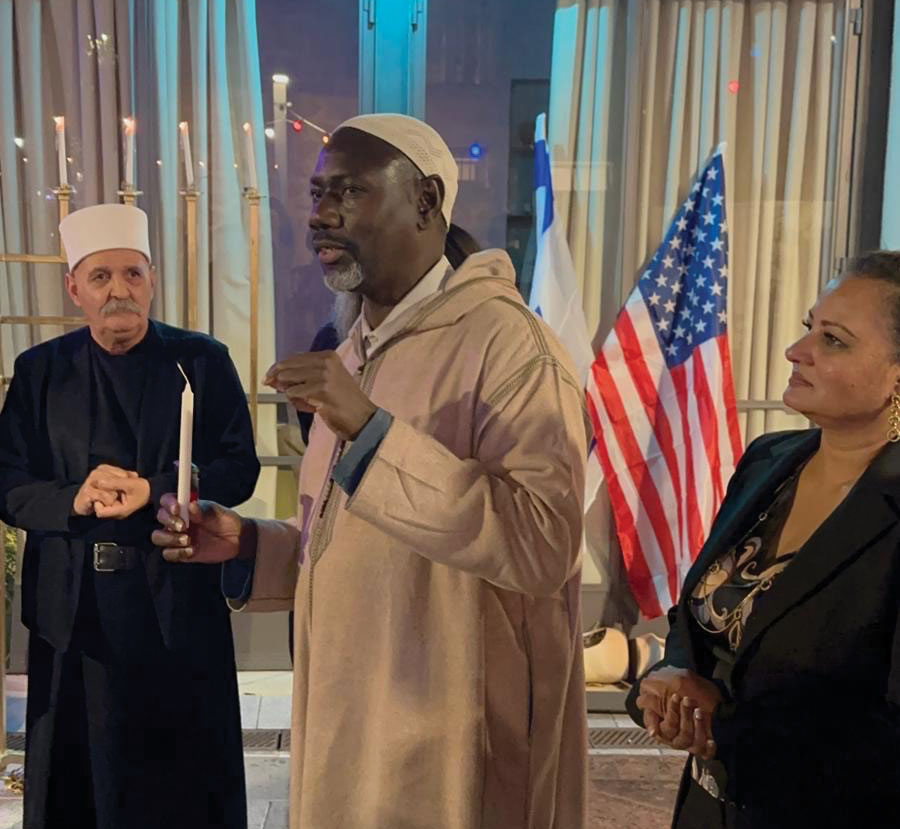
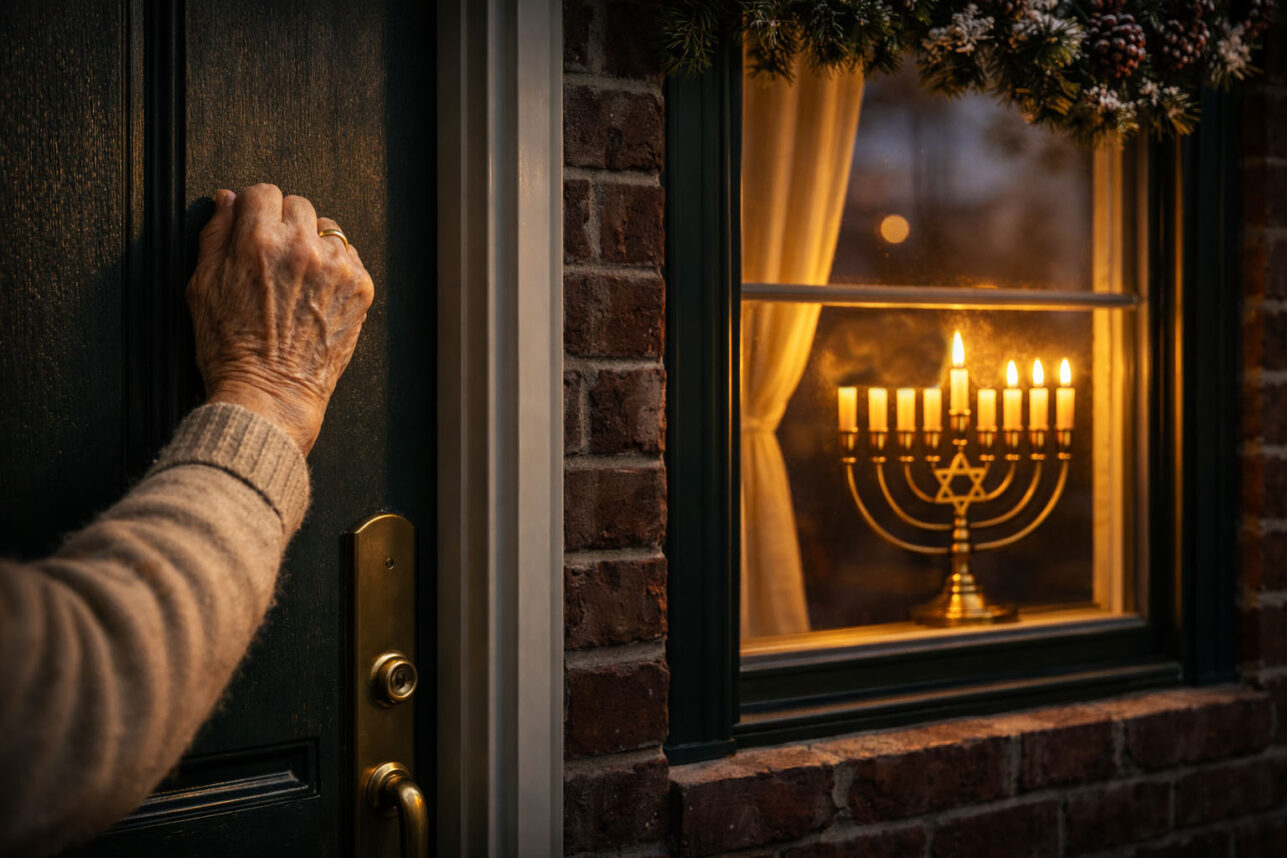
This will also require us to make a pronounced psychological adjustment. In the days after the Bondi Beach tragedy, many non-Jews placed menorahs in their windows as a visible sign of solidarity and support. Some members of our communities welcomed the gesture, but others saw it as a form of appropriation.
“Lighting a menorah is a closed practice and not meant to be done by someone outside of our community,” said one social media poster.
Another user was even more dismissive. “Get the circumcision first, then we’ll talk.”
If this is the way we treat well-meaning friends, then it should be no surprise that the ranks of our enemies are growing. If we want to feel more welcome, then we need to remind ourselves to be more welcoming.
Dan Schnur is the U.S. Politics Editor for the Jewish Journal. He teaches courses in politics, communications, and leadership at UC Berkeley, USC and Pepperdine. He hosts the monthly webinar “The Dan Schnur Political Report” for the Los Angeles World Affairs Council & Town Hall. Follow Dan’s work at www.danschnurpolitics.com.