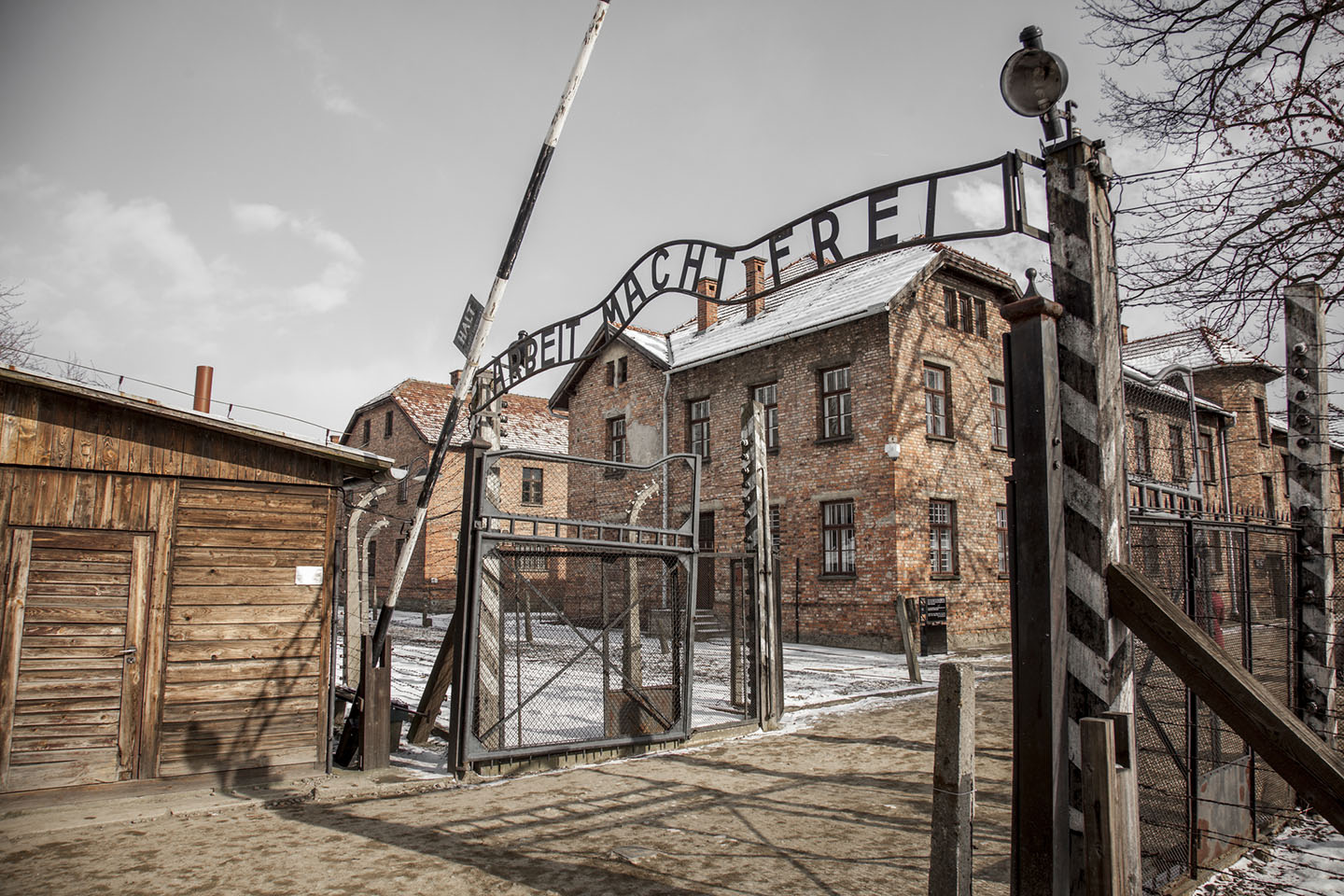
In a year marked by rising antisemitism and an alarming resurgence of Holocaust distortion, one of the most chilling artifacts of the Shoah has quietly emerged into public view—this time, as a weapon against denial rather than a remnant of it. Businessman and philanthropist Elliott Broidy has acquired one of only two known surviving original architectural whiteprints of the crematoria at Auschwitz-Birkenau for $1.5 million, honoring the 1.5 million Jewish children murdered in the Holocaust.
Far from being a collector’s item, the whiteprint is a stark and irrefutable testament to the mechanized precision of Nazi genocide. Drawn in 1941 by SS architect Walter Dejaco under the authority of Auschwitz commandant Rudolf Höss, it captures the transition point when Auschwitz was being designed not merely as a concentration camp but as a center for extermination.
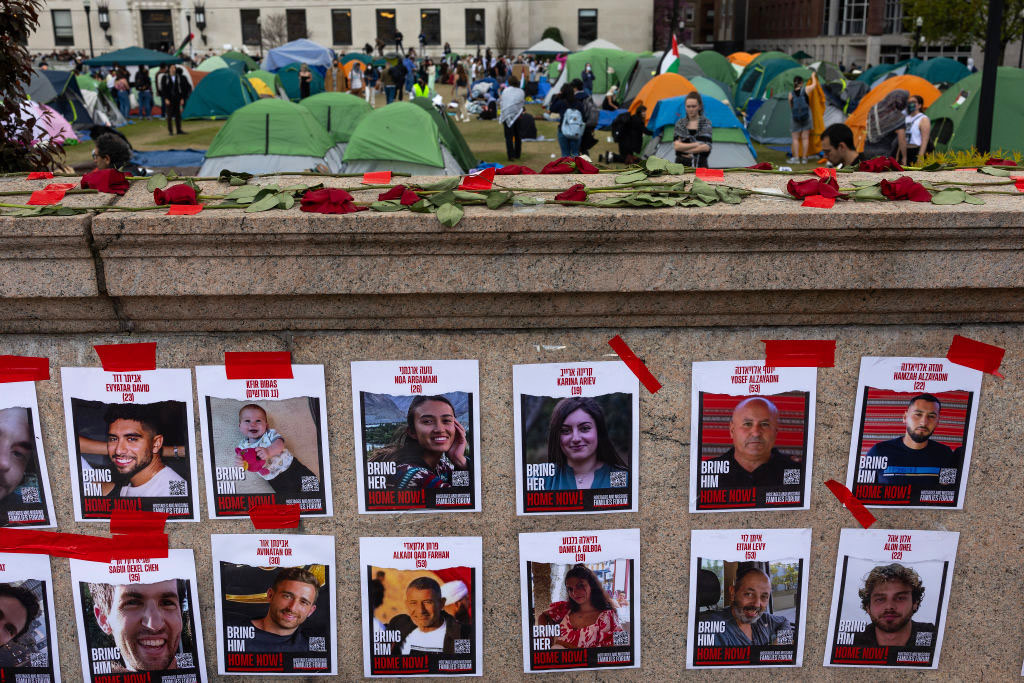
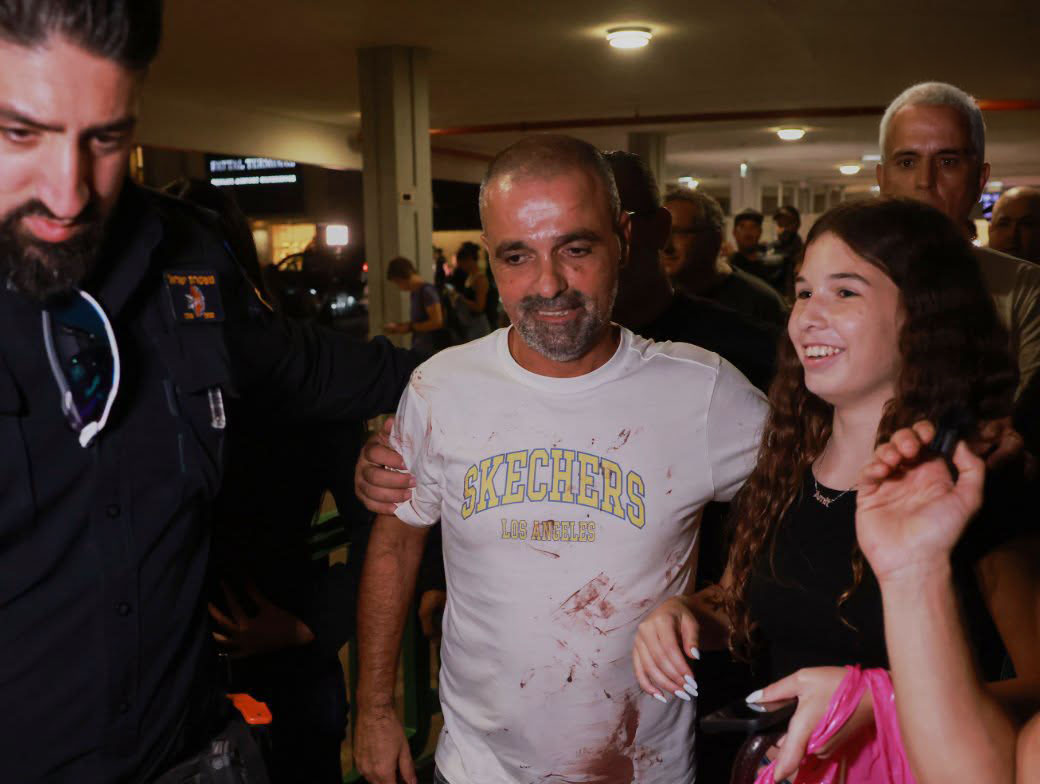
The purchase comes at a dark moment for the global Jewish community. In the wake of October 7, antisemitic attacks and hate speech have surged worldwide. The murder of 15 Jews at a Hanukkah celebration last week at Sydney’s Bondi Beach underscored how contemporary antisemitism is as dangerous as ever. At a time when the distance between past and present feels increasingly narrow, evidence matters.
“My ultimate hope is that the reemergence of this document ensures that the fight against antisemitism and extremism continues,” Broidy said. “We cannot forget what happened, but we also have to hold onto hope and equip future generations with knowledge and understanding.”
Leading Holocaust scholar Robert Jan van Pelt, who authenticated the document, described it as the “missing piece.” It is the first iteration of a full-scale crematoria needed for the most lethal killing facilities in human history. The date on the plans, October 24, 1941, indicates they were drafted months before the infamous Wannsee Conference of January 1942 where the implementation of the Final Solution was approved. The plans demonstrate that the infrastructure for mass murder was already being developed months before the conference convened.
As slogans, hashtags and manipulated images spread faster than truth, this physical piece of evidence stands as an antidote. It is not interpretation. It is not narrative. It is the Nazis’ own drawing of how they intended to kill.
And Broidy has no intention of allowing it to gather dust. Instead, it will support an extraordinary new effort unfolding in the shadow of Auschwitz itself.
Earlier this year, the Jewish Journal reported that Höss’ private home—the villa his wife once called a “paradise”—was purchased by the Counter Extremism Project (CEP), with Broidy playing a leading role in the initiative. The property, located at 88 Legionow Street in Oświęcim, Poland – 88 being the numeric representation for “HH” or “Heil Hitler” – sits just outside the fence line of Auschwitz. From its garden and swimming pool, Höss’ children could see the smoke rising from the crematoria.
Today, that same property now has a mezuzah on its front door and has been transformed into a global center dedicated to countering extremism, antisemitism, and hate: The Auschwitz Research Center on Hate, Extremism, and Radicalization, known as ARCHER at House 88.
ARCHER will operate in partnership with CEP, the Auschwitz-Birkenau Museum, and UNESCO, with renowned architect Daniel Libeskind—whose parents survived the Holocaust—leading the property’s redesign. The center will host researchers, policymakers, educators, and activists working on extremism prevention, including financial-network disruption, digital platform safety, and counter-radicalization strategies.
What was once the family home of the architect of Auschwitz will soon become one of the world’s foremost institutions dedicated to dismantling the ideological machinery he helped build.
Broidy’s acquisition of the crematoria whiteprint and the creation of ARCHER are intertwined—not just symbolically, but strategically.
In his recent Wall Street Journal op-ed announcing the acquisition, Broidy wrote that he wanted to take possession of this document so it would be used “as an enduring challenge to anyone who would deny the Holocaust or diminish its magnitude.” He argued that at a time when Holocaust distortion is rising, the most powerful response is to preserve, study, and display original evidence of Nazi intent.
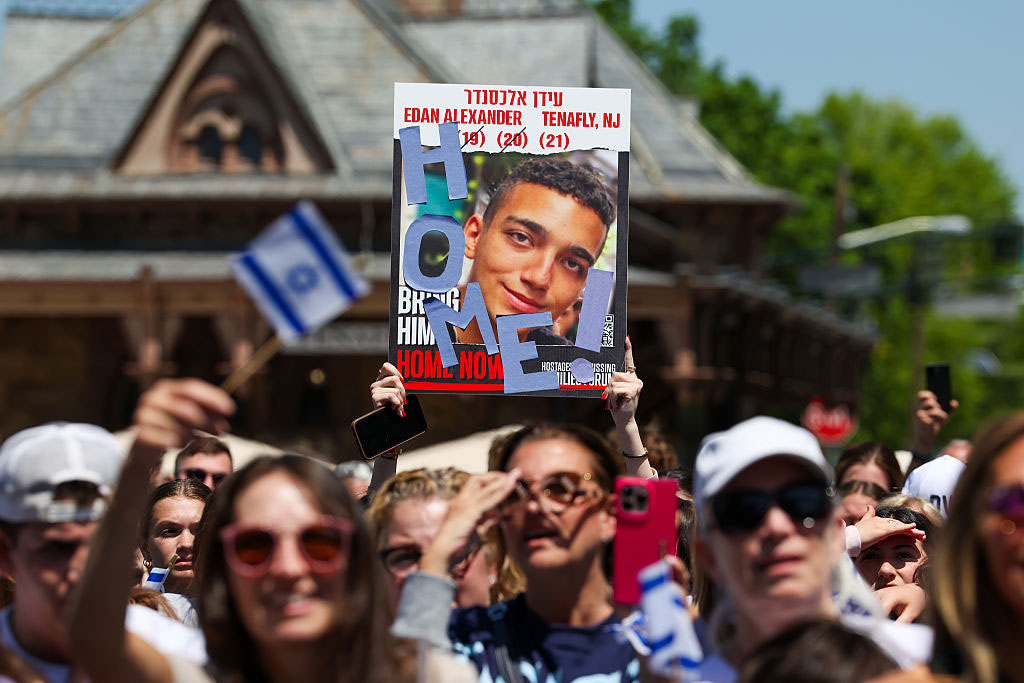
Indeed, Holocaust denial no longer hides on the margins. Since the Hamas massacre of October 7, 2023, antisemitic narratives—old and new—have proliferated across social platforms, college campuses, and public demonstrations. These range from classic denial (“the gas chambers didn’t exist”) to modern distortion (“the Holocaust is exaggerated,” “Israel is committing genocide just like the Nazis,” “Auschwitz was a labor camp”).
The Nazis understood the power of documentation. It is why they tried to destroy their records as the Allies approached. Their failure to eliminate all of them is now our greatest strength. A whiteprint is an inconvenient truth for those who wish to reshape the past for political or ideological purposes. By integrating this artifact into the mission of ARCHER, Broidy positions the whiteprint as both historical evidence and a modern tool of prevention.
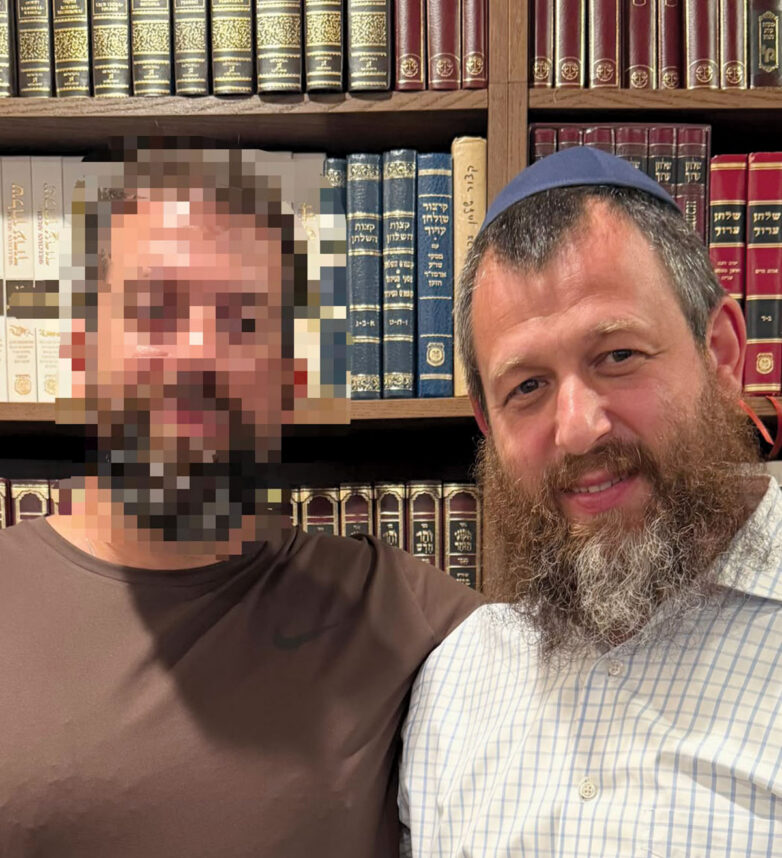
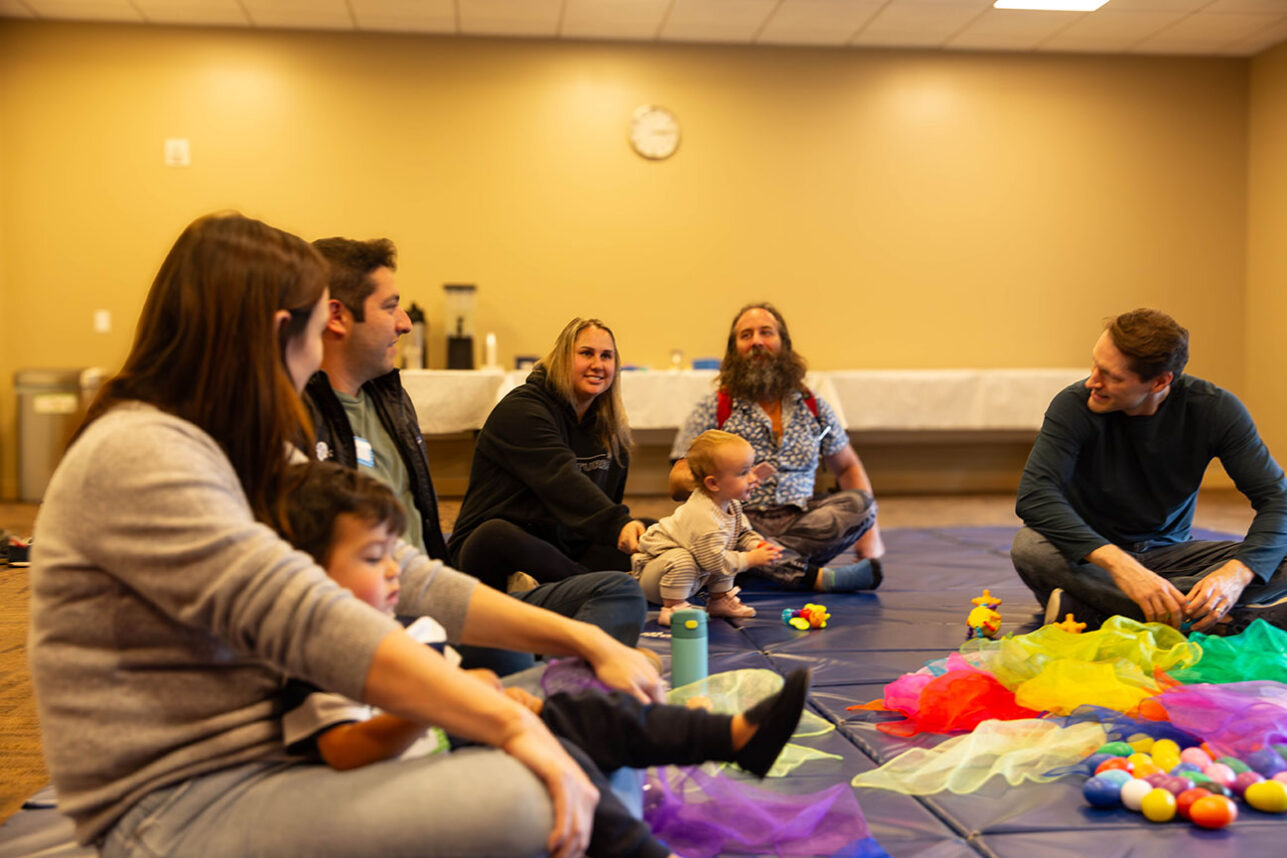
Broidy has pledged the proceeds of this acquisition toward a first-of-its-kind early-childhood curriculum centered on altruism, empathy-building, and anti-extremist education. Developed by Rabbi David Baron of the Temple of the Arts Synagogue in Beverly Hills, the curriculum aims to reach children long before extremist ideologies can take root.
The logic is grounded in history. Nazism was not born in the gas chambers; it was cultivated over decades—through propaganda, dehumanization, social engineering, and early indoctrination. The crematoria were the final manifestation of an ideology that began in classrooms, youth groups, newspapers, and public speeches.
Teaching empathy is not a soft response to hate. It is the first firewall against it.
There is a profound, almost poetic symmetry in the fact that the whiteprint—once used to mechanize death—is now being used to educate, inoculate, and confront. There is symmetry, too, in the transformation of House 88—from a place where the Höss family lived comfortably just feet away from mass murder to a global center dedicated to exposing the psychology of radicalization and the machinery of hate.
As Ambassador Mark Wallace, founder of CEP, said during the announcement of House 88:
“The ordinary house of the greatest mass murderer will now be converted into the extraordinary symbol of that fight.” Auschwitz has always forced the world to confront two truths simultaneously: the unimaginable scale of evil, and the unimaginable resilience of those who survived to bear witness. The acquisition of the whiteprint and the creation of ARCHER carry that duality forward. Turning instruments of death into instruments of truth may be one of the most meaningful forms of remembrance and resilience that we have left.
As Broidy’s acquisition makes clear, the fight for historical memory is not an academic exercise. It is an urgent battle in real time—one that demands not only preservation of the past, but active protection of the future. What was once used to plan the destruction of Jewish children will now help protect today’s children from the ideologies that made Auschwitz possible. In that reversal lies a new kind of justice. And perhaps, a new whiteprint for hope.