
I have a vivid memory of how one home in my middle-class suburban New Jersey hometown was decorated at this time of the year: half of it was decked out in red and green with the typical Christmas fare and the other half was adorned with blue and white lights encircling a huge Star of David. As I recall, the “Jewish” side of the home looked very much like the flag of Israel.
The home was not in my immediate neighborhood, and I did not know the family who lived there, but I was always very intrigued every year when the decorations surfaced. My innate assumption was that it was an interfaith household despite intermarriage being far less common back then. Although my high school class probably was at least 25% Jewish, personally I knew only two kids whose parents were intermarried.
Over the years, I have written a lot about how both Jewish families, and partially Jewish families, can deepen their celebrations of Jewish traditions, including during the period when the “December dilemma” surfaces and many Jewish families struggle to keep Hanukkah front and center. Although I always find myself thinking back to this house during this time of the year, my thoughts about it today have taken on a new dimension. I am now focused less on who lived inside the home and more on how this family chose to signal their Jewish identity. Specifically, they chose the colors and symbols of the State of Israel.
Despite America’s legal separation of church and state, the United States is a culturally Christian nation. This reality is on full display during the winter holiday season. More than 20 years ago, Professor Samuel Freedman painted an apt picture of the cultural contrast between Israel and America in his book “Jew vs. Jew” when he quoted American journalist Ze’ev Chafets discussing his son’s experience in Israel:
“My 16-year-old, who hasn’t set foot in a synagogue for years, is more knowledgeable than anyone in a Reform temple. … What’s here for him is Hebrew. An inborn Jewish life cycle. An attachment to the land. A baseline of knowledge. He can read any religious text he wants. There are high school graduation exams on the Bible and the Oral Law, on Jewish history, on Israeli history. You hear daily words that are from the Talmud. Even the pop culture — the way the TV weatherman dresses in a costume on Purim.”
This comparison still rings true. As compared to Israeli Jews, including secular Israelis, most American Jews are not exposed to anything remotely close to this level of Jewish cultural capital. Recently, the son of my closest friend in Israel celebrated his bar mitzvah, which I attended on Zoom. It was held mid-day on a Friday, and a Reform rabbi in Israel officiated. When this young man chanted his portion from the Torah, he understood every word. He is surrounded by Jewishness every day without having to make any major effort. As just one example, unlike most American Jews, he knows when it is Tisha b’Av, the saddest day in the Jewish calendar, even if he does not fast or go to synagogue. This is true for all the Jewish holidays, including those that are completely unfamiliar to many Americans Jews. In short, it is impossible to compare the baseline Jewish knowledge of Israelis with most religiously liberal American Jews.
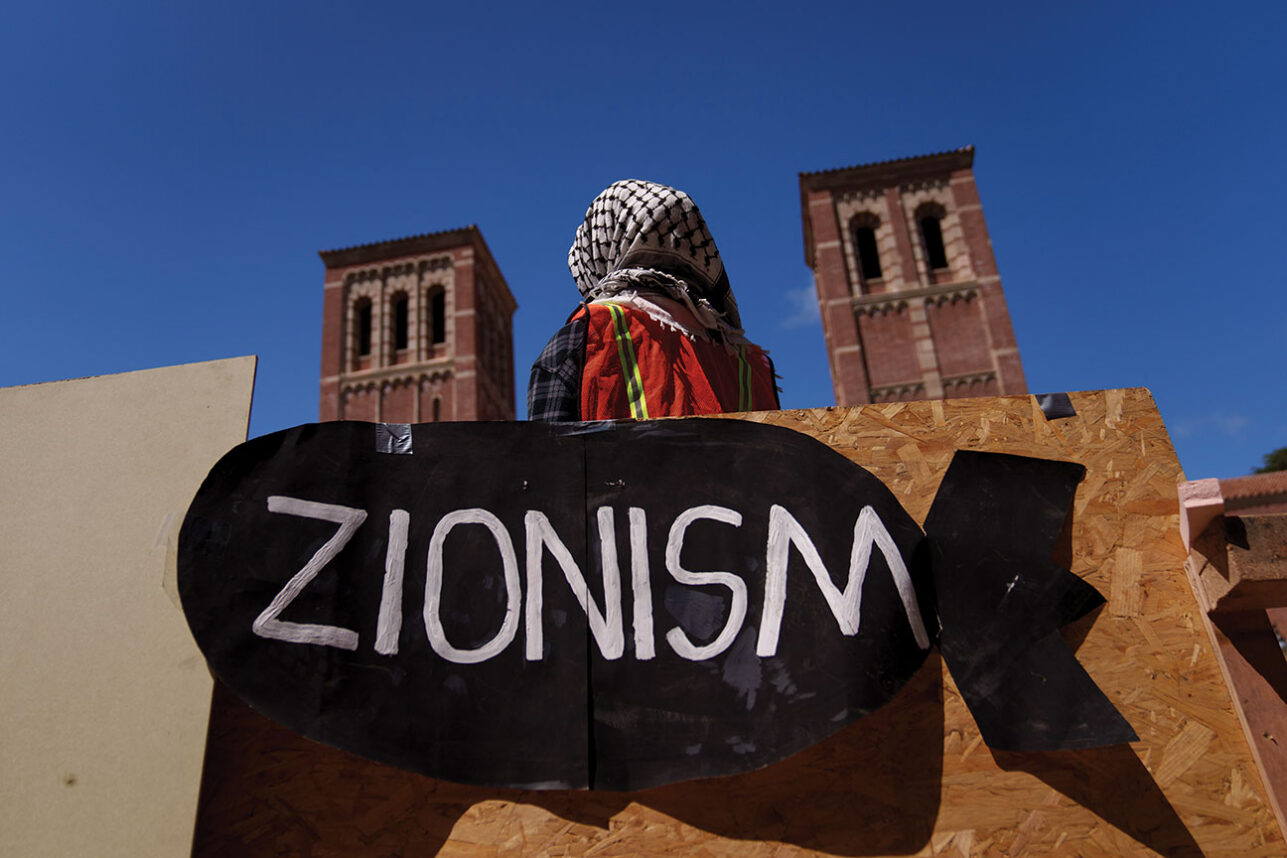
Today, the “Israeli” Christmas house I recall from my childhood serves as a much-needed reminder that Israel is a vital piece of American Jewish identity. Unfortunately, we are now contending with the reality that there are growing numbers of American Jews, particularly among younger generations, who no longer believe this. There is a burgeoning movement to normalize anti-Zionism even in Jewish spaces. With increasing frequency, we hear of Jews attempting to persuade other Jews that they can still maintain a strong Jewish identity here absent a connection to the historic homeland of the Jewish people, where half of the world’s Jewish population lives. I strongly disagree. Absent a love of, and appreciation for, the only Jewish state in the world, the strength of Jewish communities everywhere else will be vastly diminished.
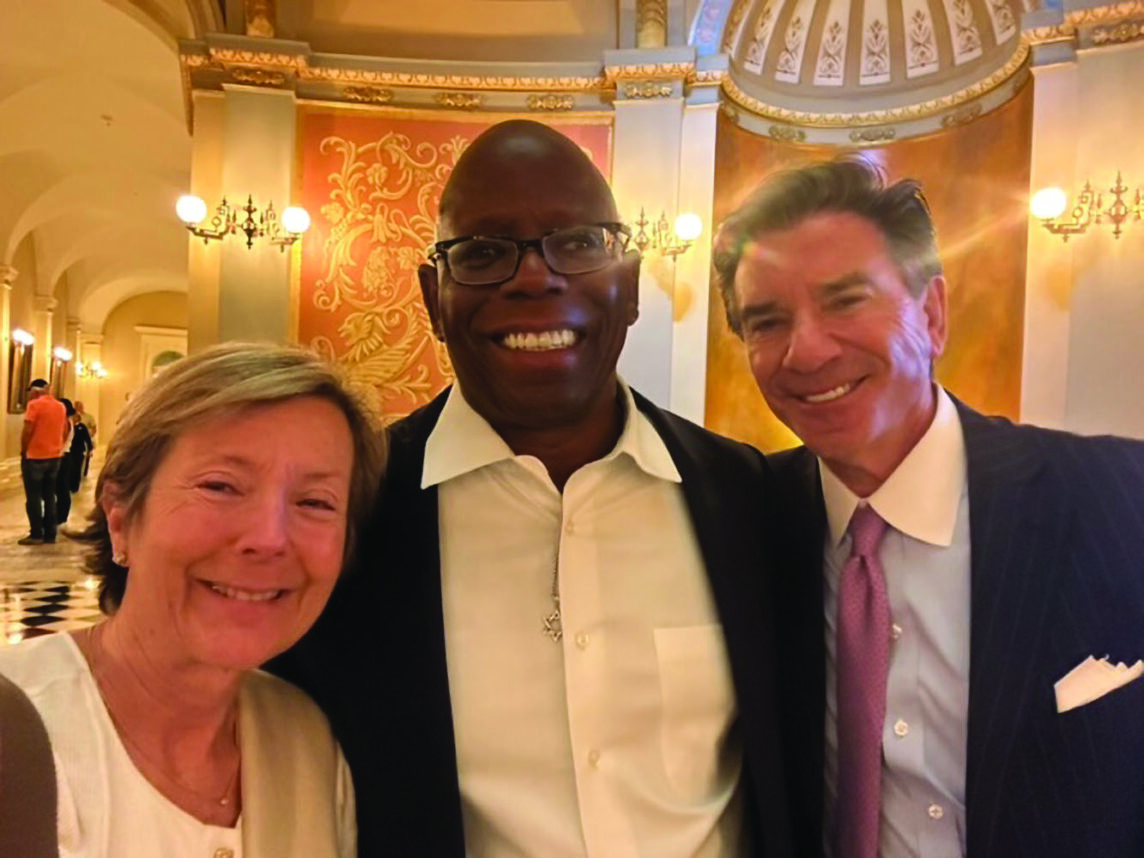
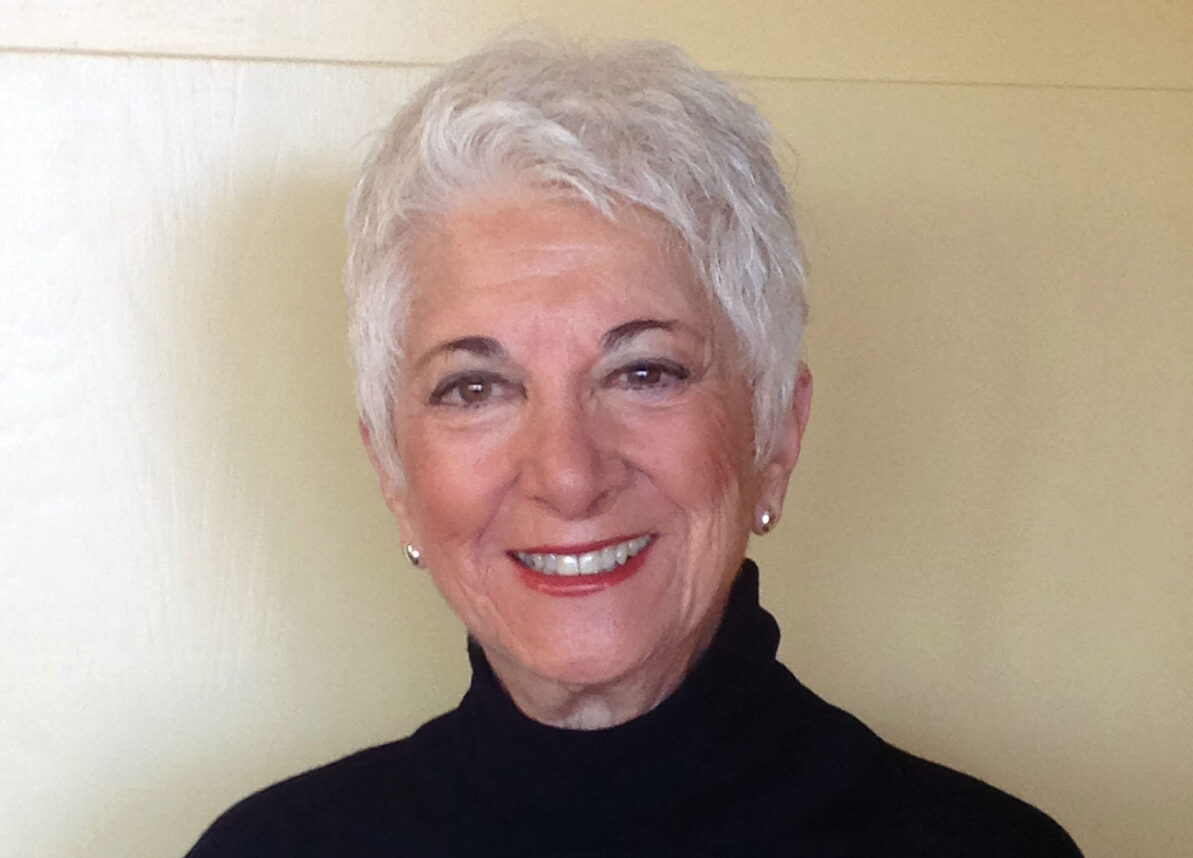
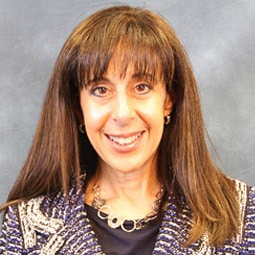
Roberta Rosenthal Kwall is law professor, author and Jewish educator with a focus on American Judaism. Her latest book is “Polarized: Why American Jews are Divided and What to do About It” (forthcoming 2026, Bloomsbury Press).