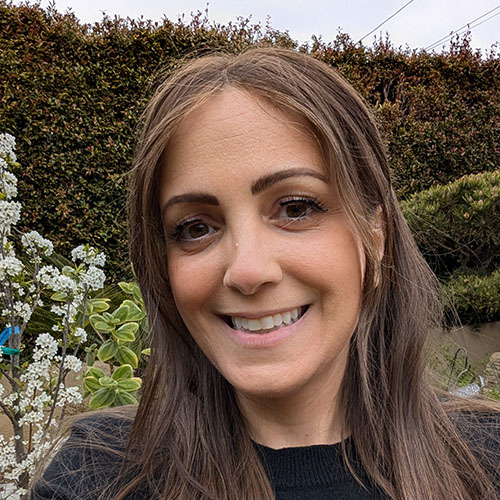

In December, I invited entrepreneur Caroline D’Amore, also known as the pink-haired “Pizza Girl” who runs a successful business of the same name, to join me on a filmed donut crawl along Pico Boulevard in West Los Angeles. Some people enjoy bar crawls, in which they visit a slew of different bars in one neighborhood in a few hours. I prefer donut crawls, especially when I get to taste incredible pastry during Hanukkah.
Over the course of our visit to delectable kosher cafes and bakeries, many Jews approached D’Amore, who is not Jewish, to thank her for her unwavering love and support of Israel and the Jewish people. Some hugged her. Others cried. One young Israeli man, whom she had never met, recognized her on the street and asked if she had received his Instagram message inviting her to work out at his gym (and to film and post it).
It was a gratifying sight. Local Jews were so viscerally appreciative of D’Amore as a non-Jew who regularly posts in defense of Israel, has visited the Jewish state three times after Oct. 7 (she just returned from her third trip, where she also visited the now-abandoned home of the Bibas family), and who cries in pain over the hostages in a way that’s hard to discern her from any Jewish or Israeli mother.
D’Amore is among a handful of non-Jewish advocates and thought leaders whom I was thrilled to interview for this week’s cover story, recognizing the courage, yes, courage, of non-Jewish friends of Israel and the Jewish community who offer us a respite from the utter abandonment and sometimes, betrayal, we have endured from friends, colleagues, academia, women’s rights groups, progressive circles, the media, and many others after Oct. 7.
In early December, I sat down with D’Amore for our first interview, before she addressed attendees at an event for the wonderful Jewish nonprofit Yesh Tikva, which supports and educates the Jewish community about infertility. I haven’t published that interview until now.
In the past few years, I’ve switched over to celebrating the Jewish Day of Love, Tu B’Av, instead of Valentine’s Day (those delicious candy hearts give me indigestion), but this weekly issue lands right on Feb. 14, and I couldn’t help myself. A non-Jew who risks her friendships, her work and even her mental peace to call out antisemitism, fight for the humanization of Jews and Israelis, and even document stories and spaces where Jews were slain on Oct. 7?
That’s extraordinary. That’s moral. That’s D’Amore.
The following has been edited for clarity and length.
Jewish Journal: Before Oct. 7, did you understand the scope of how important allyship is to the Jewish community, or is that a lesson you feel you learned only in the last year?
Caroline D’Amore: I knew absolutely nothing. I was very honest from day one about my very little knowledge, given that antisemitism still exists today. For me, I grew up in LA. I have so many Jewish friends. I never thought twice that anyone would be treated the way that they’ve been treated this past year, just for being Jewish. It blew me away. It shook me to my core. I had never really experienced anything like this. I had only read about it in books and learned about Anne Frank and the Holocaust, and so many stories I remember hearing as a child but thinking that antisemitism was more so an understandable passed-down PTSD [Post-Traumatic Stress Disorder] that was not current.
And then Oct. 7 happened, and several girlfriends called me in tears. Their voices were shaking. They were terrified. It blew my mind. One girlfriend, she was in Israel, she was hiding in bomb shelters, and her [non-Jewish] friends still wouldn’t say anything on her behalf. I thought, Are you kidding me?
I lead with my heart. I wear my heart on my sleeve. I’m Italian. Enough said. So I ran into my backyard. My hair was wet; I looked like crap. I just spoke into my phone, in a quick video, basically saying, “Stop being a–holes to Jewish people. It’s only happening to Jewish people. Wake up. This is awful.”
“I lead with my heart. I wear my heart on my sleeve. I’m Italian. Enough said. So I ran into my backyard. My hair was wet; I looked like crap. I just spoke into my phone, in a quick video, basically saying, ‘Stop being a–holes to Jewish people. It’s only happening to Jewish people. Wake up. This is awful.’”
I didn’t think anything of it. I didn’t think anybody would think any differently than me. I thought they’d all agree. I put my phone away and thought I’d go back to my regular life. I went to a concert that night. And then I glanced at my phone, and I was shocked, to say the least. There were 50,000 views within an hour. The next day, there were over six million views, and I think I was nervous for 48 hours because I didn’t understand it. I just didn’t understand why this video was shared so many times.
And then, over the next week, I was inundated with messages, and obviously, all the hate that comes with that. But then, what I really noticed was mothers DMing [direct messaging] me emotional messages saying, “Thank you. Nobody believes us. Nobody is standing up for us.”
It’s interesting. As I’m saying this, I’m getting emotional because I just realized something: Because my mom passed away when I was five, I think I have a real affinity for women and moms. I always wished I had my mom. I missed her. I begged the universe for her back and never got her back. So truthfully, it’s the moms that would walk up to me in the street and say, “‘Thank you.”
It’s been over a year now and I can’t go anywhere without the love of a beautiful woman coming up and giving me a tearful hug, and there’s nothing I’ve honestly longed for more in my whole life.
JJ: You visited Kibbutz Kfar Aza over a year ago. Does an experience such as that stay with you forever? Was there a Caroline before, and a Caroline after that visit?
CD: I’m light years different. My outlook on life. Cherishing every day with my child. Just looking at the grass differently, the sky differently. Being there at Kfar Aza] was the most emotional experience of my life, other than my mom dying. I remember the chills I got when I was sitting in one of the apartments in that kibbutz. At first, it felt a bit strange. You’re kind of touring this recent disaster, and someone is explaining what’s going on.
But there was a moment when I asked if I could be alone for a minute in one of the apartments. I don’t know why. I just needed a moment. I started to hear the walls. I saw the blue sweater, the chocolate bars. I heard the sounds of the apartment. And then, all of a sudden, I saw the giant bullet holes in the wall.
This was a young couple that was just getting to be together in their own apartment. I was overwhelmed and had chills up my spine and tears pouring out [of] my eyes. I ran out of that room, and I grabbed my phone. There’s a video of me on my Instagram of me asking something like, “How dare you? How dare you talk badly about these people? About their family members … Everybody in Israel knows someone who is going through this right now and how dare you people talk” — I was livid. And that was my first time in Israel.
JJ: Are those images still with you?
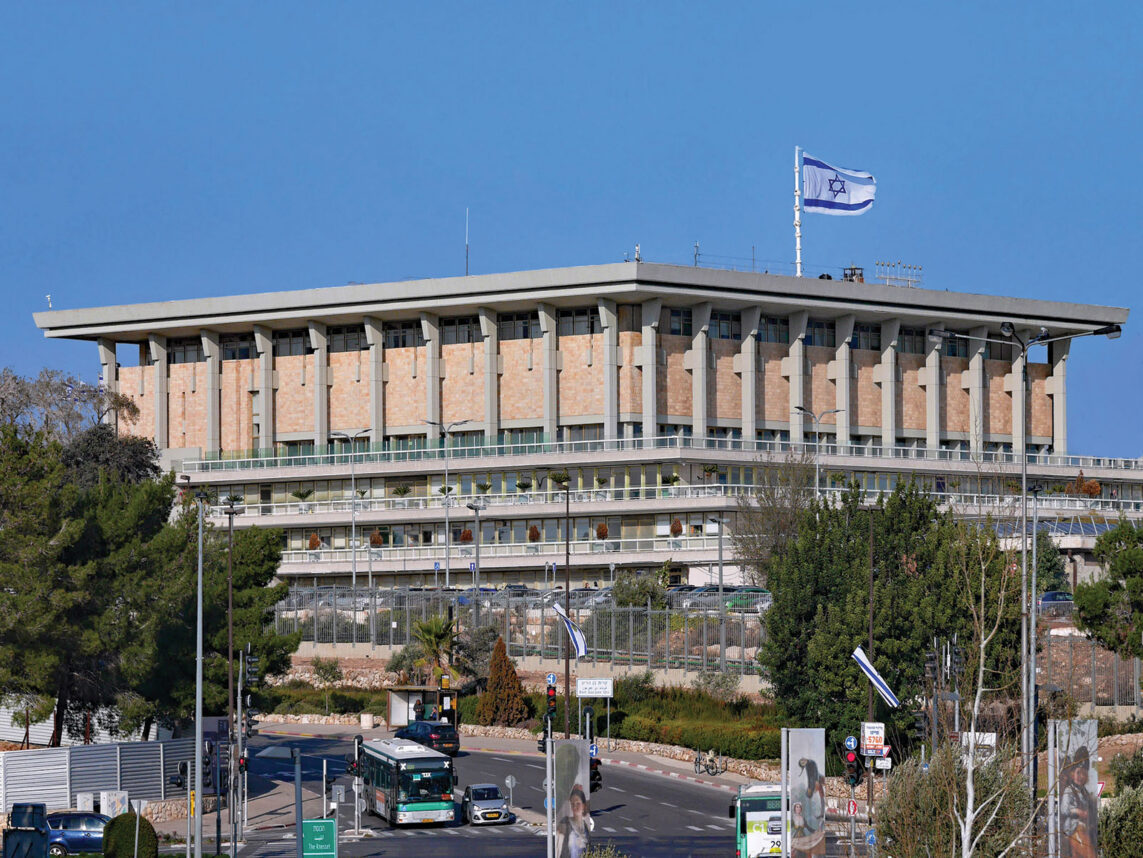
CD: Every single day. Even more so, I met with some in the government, saw an Israeli war room. At the Knesset, I was asked to watch the 47-minute video of all the collective footage [from Oct. 7]. I said no for several days.
But I remember this young female soldier pulled me aside. She was emotional, and she said, “Please, will you watch this? Nobody believes us. You have this platform.” I said yes, for her, a woman. And I went in there and watched.
Crying is not even the word. I wailed the most uncomfortable wail that’s ever come out of my body. There were times when I had to look away. I felt like I was in a horror film that the world didn’t get. And I knew, from that moment, there was nothing anyone was ever going to do to change my mind about this.
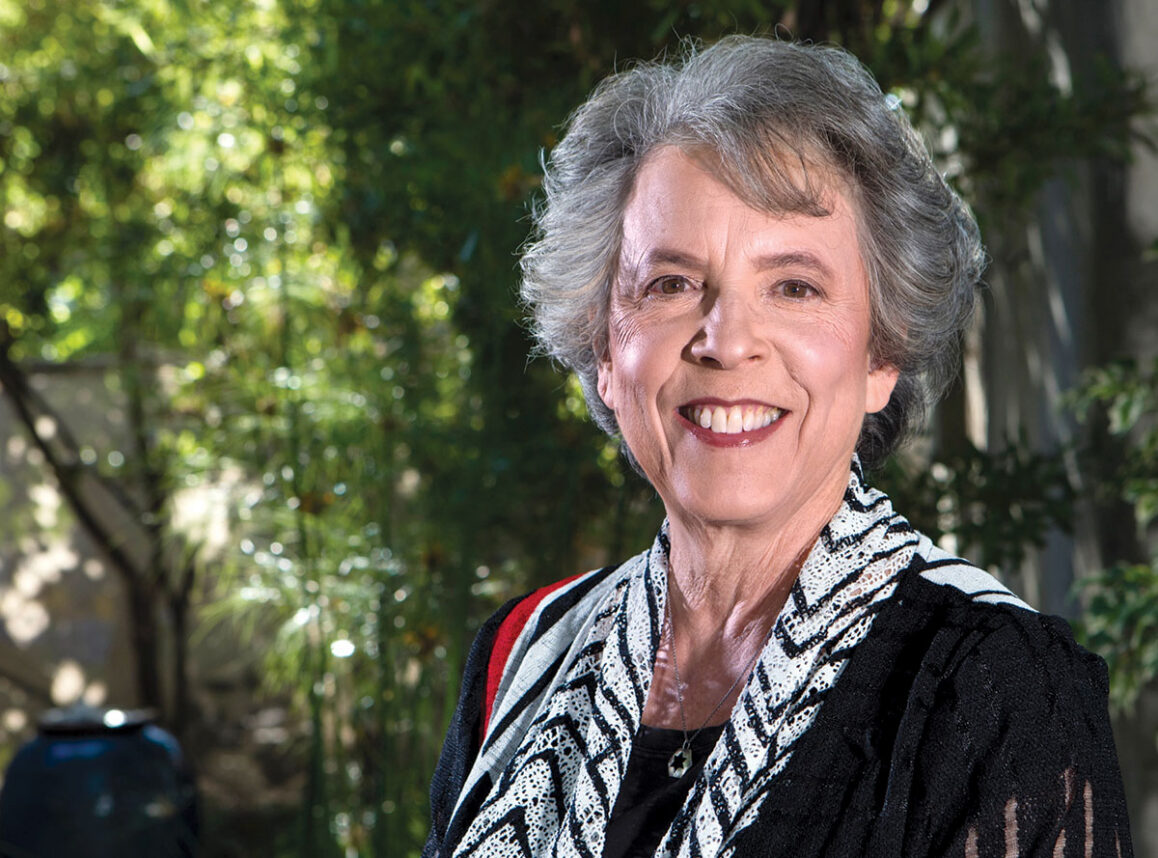
Tabby Refael is an award-winning writer, speaker and weekly columnist for The Jewish Journal of Greater Los Angeles. Follow her on X and Instagram @TabbyRefael.