
Having been born in the 1980s, I always wondered about the existential fear my relatives must have experienced in 1948, when five Arab countries invaded Israel during the War of Independence, or in 1956, during the dangerous Suez Canal Crisis. And I’ve often asked my parents where they were and how they felt when news broke of the Six-Day War in 1967, or the 1973 Yom Kippur War.
I’ve always wanted to know about the joy, as well as the pain and helplessness my parents and grandparents endured; the fear related to those events marked some of the darkest stains of their generations.
But I no longer need to ask anyone about 1948, 1973 or any other year, because I now belong to a generation that saw the single worst moment in Jewish history since the Holocaust: the horrific massacre of Israelis on October 7, 2023, and its ongoing aftermath.
All future Shemini Atzeret/Simchat Torah dates will most likely also be a solemn day of mourning in Israel for years to come.
Fifty years and one day after the Yom Kippur War broke out, Israel’s fanatic neighbors once again managed to stain one of the most special days in the Jewish calendar: Shemini Atzeret and Simchat Torah, which are both celebrated in one day in Israel (rather than two separate days in the Diaspora). How especially cruel that for now-grieving families, Hamas forever robbed them of what is meant to be one of the happiest days for Jews — Simchat Torah — which, now, will officially mark the yahrzeit of their murdered loved ones. In fact, all future Shemini Atzeret/Simchat Torah dates will most likely also be a solemn day of mourning in Israel for years to come.
In all my pain, shock, rage and helplessness, I contemplated what I could possibly add to everything that is being written about the darkest day in Jewish history in the last 78 years. I want to share several observations with readers about what I will now remember as one of the hardest days of my life:
Remember the Survivors
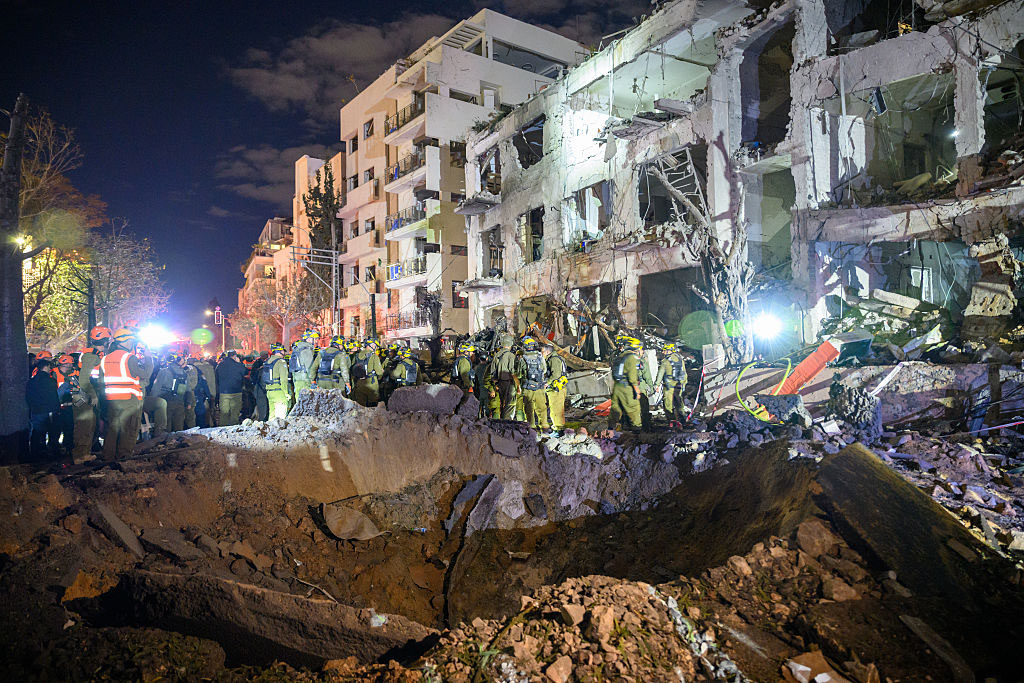
Jews worldwide are collectively mourning the over 1,000 Israelis who were murdered in the span of a few days, and the pain, especially in Israel, must be indescribable. But while we pray for those who were killed, as well as for their families and friends, we should not forget the over 2,000 Israelis who have been injured.
In the past, I’ve written about the physical and emotional trauma of those that have survived terror attacks; they felt lucky to be alive, but also broken and in some ways, forgotten. I know that we are still grieving for the murdered, and rightly so, but we should also pray for those who were badly injured by Hamas, and who now lay in Israeli hospital beds, and are at risk of everything from blindness to permanent head trauma, loss of limbs or paralysis. Their lives will never be the same.
Pray for the Captives
It’s hard to imagine the terror and anxiety the 150 Israeli hostages must feel at the moment, not to mention the terror and anxiety their friends and relatives must be feeling. Is sleep even an option? I am begging G-d to help liberate these captives. And for those who are lucky enough to regain their freedom, I am also thinking one, two and 10 years ahead, to the devastating PTSD that those survivors, especially children, will suffer for the rest of their lives.
Pray for the Mental Health of Israeli Soldiers and First Responders
The soldiers and first responders that did not suffer physical injuries this week may still be scarred for the rest of their lives, given that such civilian carnage has never been seen in one day in modern Israeli history. I am also praying for the mental health of the average Israeli; this year, in particular, so many Israelis have told me that they experienced feelings of helplessness and even depression, and the horror that Hamas just inflicted was truly the last thing Israelis needed. May G-d strengthen their hearts with indescribable resilience.
The Pain of Perspective
A few weeks ago, the biggest news in the Jewish world seemed to be that some protestors in Tel Aviv disrupted a planned Yom Kippur service in Dizengoff Square, and many Jews were outraged over such news. How trivial and even innocent all of that seems today. We’re currently experiencing a very “big picture” moment as worldwide Jewry reels from this unprecedented carnage; let it serve as a reminder to us to forgive the small, frustrating moments of our lives, and even more importantly, to forgive the mistakes of those around us.
The (Un-Islamic) Islamic Resistance Movement
The videos from Israel and Gaza are horrifying and not for the faint-hearted, but a video of Hamas terrorists driving through Gaza City in a truck, flaunting the nearly naked body of a murdered, 30-year-old woman, is one that I will remember for the rest of my life. As if their decades of murder, rape and maiming weren’t enough, Harakat al-Muqawama al-Islamiya (also known as the Islamic Resistance Movement, whose acronym is Hamas) is the most un-Islamic “Islamic” movement in modern history. How else to explain terrorists that force the women of Gaza to dress according to strict Islamic dress codes, but who strip women (whom they believe are Israeli) naked and parade their bodies around town? The only thing worse than barbarism is hypocritical barbarism. Incidentally, that woman was a tattoo artist who was visiting Israel from Germany to attend a music festival.
The Clash of Civilizations Is Still Raging
Israelis live in one of the most modern and democratic nations in the world; they are men and women with advanced degrees; whose toddlers hold iPads in their small hands, and whose teenagers are on the path to becoming burgeoning tech giants and cultural leaders.
Those who live in southern Israel have sadly grown accustomed to rocket attacks in the last two decades, and the Israeli soldiers that serve along the southern border understand the risks of their service. Think back to June 2006 and Gilad Shalit, who was an on-duty soldier when he was abducted by Hamas to Gaza.
But what (civilian) father in southern Israel could have anticipated that his wife and daughters would be kidnapped this week by a terrorist organization and brought to Gaza? Are we living in 2023 or the seventh century?
This is the crux of the Israeli-Palestinian conflict: one side is living in the 21st century, while the other is still trying to reinstate an ancient Islamic caliphate.
This is the crux of the Israeli-Palestinian conflict: one side is living in the 21st century, while the other is still trying to reinstate an ancient Islamic caliphate. That is why Israeli women are currently being held captive in Gaza, as if this is the Taliban’s Afghanistan, and why Jews worldwide should respond to the horror this week with more unabashed, unapologetic and unadulterated love for Israel than ever before in modern Jewish history.
And to the Israelis abroad that have quickly booked flights and hurried home to serve their country: Please bring our heartbroken love back with you to our beautiful, bereaved Israel. We love her more than ever.
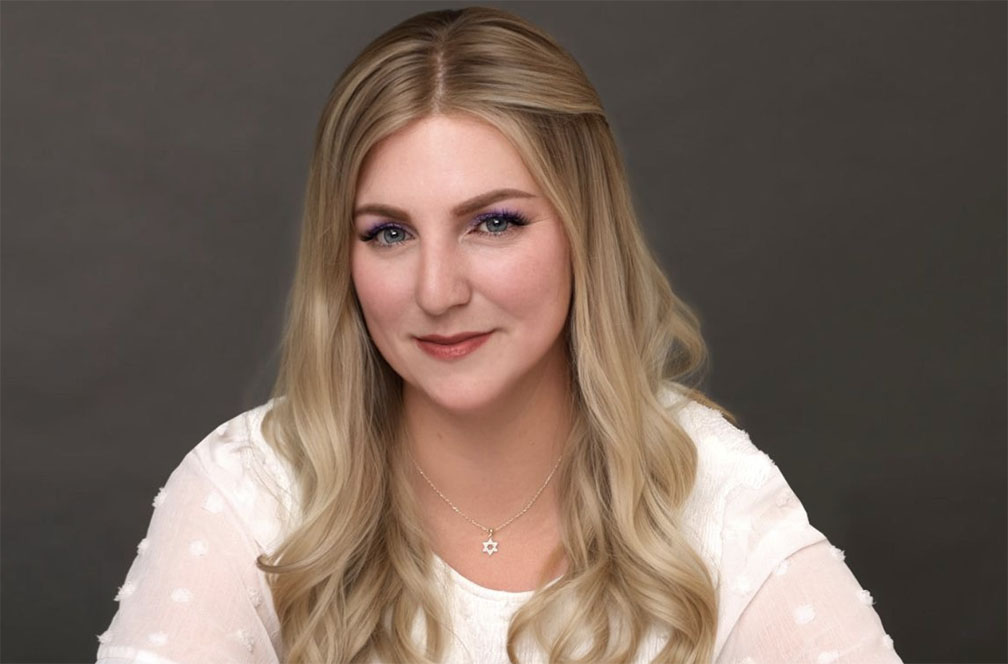
Tabby Refael is an award-winning writer, speaker and weekly columnist for The Jewish Journal of Greater Los Angeles. Follow her on X/Twitter and Instagram @TabbyRefael