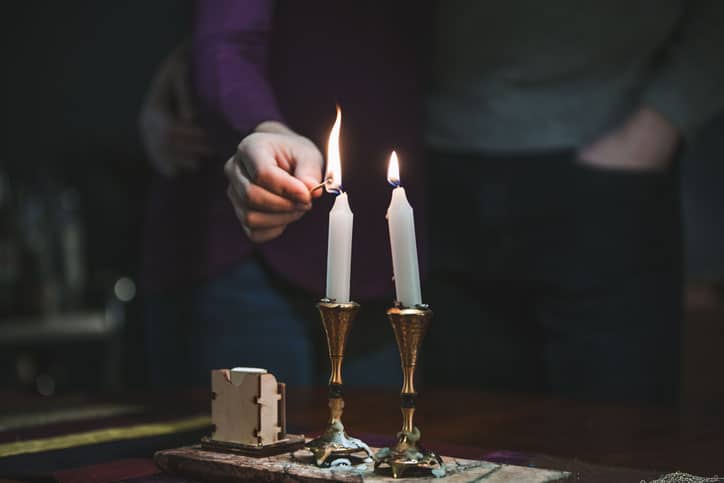
As a long-time baal tshuva, or returnee to Jewish observance, I’ve often thought that what Orthodox Jews do is crazy. No cheeseburgers? But beef and cheese are both great protein sources. Observe Passover for eight days? I thought the holiday was over when the Seder dishes were cleared. Wave the lulav on Sukkot? Are you kidding?
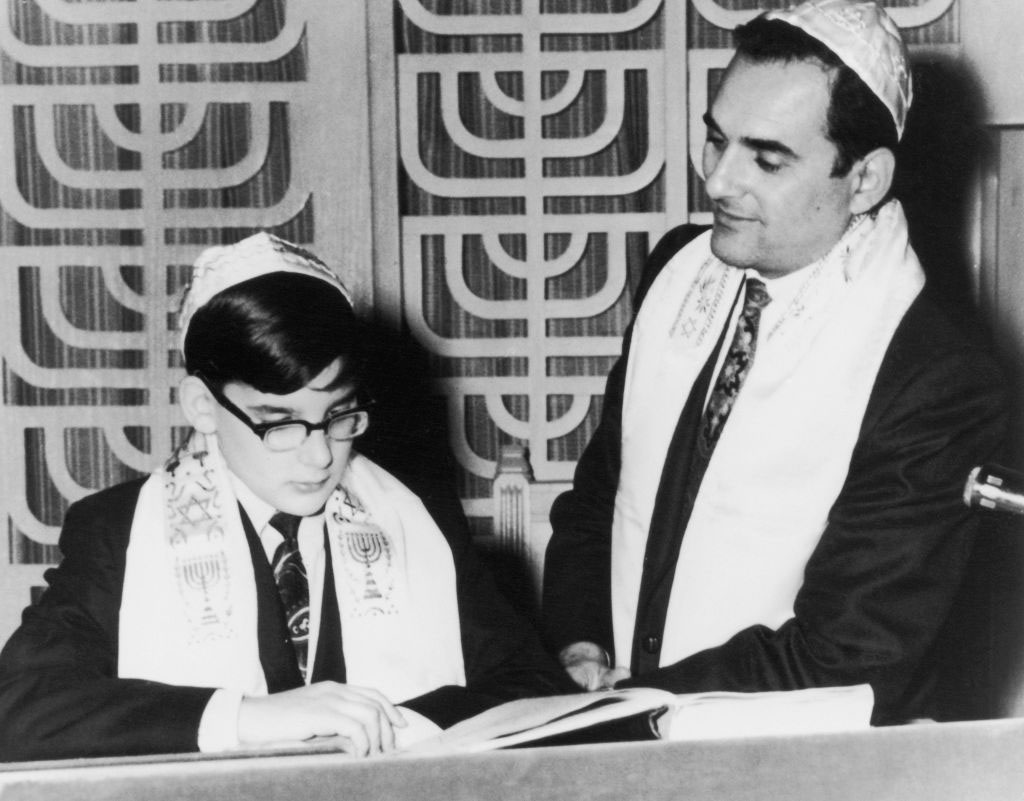
Early in my journey, I learned that when the Jewish people received the Torah, they said in unison, “Na’aseh v’nishma,” which means “We will do, and we will understand.” Action came first. As we approach Shavuot, the celebration of receiving the Torah, I am reminded that, as much as Jews love to argue and discuss, at its core Judaism is a religion of doing.
We’ve been building up to Shavuot for the seven weeks since Passover. As we welcome the holiday, what will our “na’aseh v’nishma” look like? How will we demonstrate our commitment to Judaism? I will take on one Jewish action, such as reading a chapter of Psalms twice a week.
Many years ago, a convert explained to me why she chose Judaism over Christianity. She had been a Ph.D. student in Medieval European History. One of her professors told her, “In Christianity, you must think a certain way, but you can do mostly what you want to do. In Judaism, you can think what you want as long as you behave according to the laws. For her, mental freedom was key; she chose to become a Jew.
Different Jewish denominations have varying views on what it means to follow Jewish law. However, no matter how liberal someone’s interpretation, they abide by principles of Judaism as they understand them because they are Jewish. For me, that means looking longingly at the prepared salads at Trader Joe’s and not buying them. It means that no matter how curious I am about who’s calling me on Shabbat, I do not pick up the phone. For another person, it might mean foregoing the shrimp scampi at a fancy wedding reception. In a sense, the specific action is not relevant as long as we do it because we understand that it is what God wants from us.
I have a Jewish friend who has no religious practice and is about to intermarry. When I asked her if she would raise the children Jewish, she exclaimed, “I talk about Judaism all the time! There’s no way they won’t know they’re Jewish!” I realized when she said this that I rarely talk about being Jewish unless I’m asking someone whether they still have shmura matzah at Costco or sharing a Torah tidbit with one of my children.
But I’m doing Jewish actions all day long – davening, saying blessings over food, making sure that my coffee with half and half goes into a dairy mug. As I’ve settled into living an observant life, doing Jewish deeds provides a deep sense of spirituality – even if my brain thinks they make no sense. I am free to think it’s crazy – as long as I do the action.
We’ve been building up to Shavuot for the seven weeks since Passover. As we welcome the holiday, what will our “na’aseh v’nishma” look like? How will we demonstrate our commitment to Judaism? I am going to make mocha cheesecake, a recipe that I only prepare once a year. But in addition, I will take on one Jewish action, such as reading a chapter of Psalms twice a week.
Because as much as Jews love to talk about Judaism, what matters in the end is what we do.
Elizabeth Danziger is the author of four books, including Get to the Point, 2nd edition, which was originally published by Random House. She lives in Venice, California.