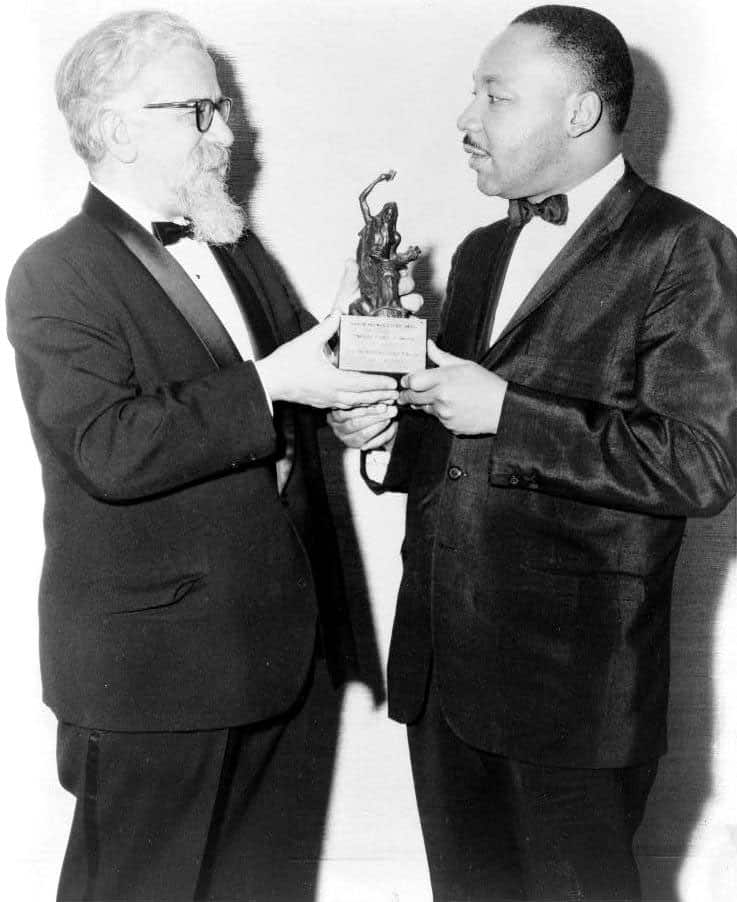
Black and Jewish communities in America share a venerable history of closeness. Jewish leaders famously marched with Dr. Martin Luther King, Jr., and into today, continuously embrace and support the social justice movements related to Black communities in the U.S., to rally, amplify and advocate the crisis of systemic racism, in its myriad manifestations. When Black Lives Matters (BLM) was coopted by anti-Israel rhetoric and activity, many Jews willfully overlooked the anti-Israel antisemitism, shelving it as a fringe element to the BLM movement, or overriding the conflict entirely by virtue of the greatness of the overall BLM cause. To many, BLM need not be perfect to be righteous and worthy of our support. As Jews, we know the cruel impact of hatred and prejudice, and we have an existential instinct to reject it.
But since October 7, we have realized the greater influence of antisemitism in Black social justice movements and organizations, rhetoric on the street, in board rooms and classrooms. The binary of oppressed vs. oppressor, a key assumption in the so-called enlightened world of the woke left, has put Jewish life and Jewish issues in the oppressor box, no questions asked. This lends easily to the disregard and dehumanization of Jewish people in general, and in every part of the world, which we are sadly witnessing and experiencing, every day.
On what planet of intellectual honesty can the brutal attacks committed by the openly genocidal Hamas be interpreted as anything but what they are? Only in a space where Jewishness is insidious, corrupt, powerful, even demonic- among many other representations that equate to our dehumanization. What happened to our true and shared history as the oppressed, the hated, and where has our shared, righteous compassion gone? How has this prejudice overtaken Black social justice movements in America?
For decades, significant funding has been poured into Historically Black Colleges and other prestigious universities; such as tens of millions in donations from Qatar, to establish a seemingly intellectual narrative of alliance between the anti-Israel movements of the Arab world and the anti-oppression movements in the U.S.. Simultaneously, Holocaust denial literature and organizations are promoted on the same campuses, where some professors hold and teach radical and disproven ideology pertaining to the Jewish role in the oppression of Black people. That somehow, despite all record of history proving otherwise, Jews masterminded the Trans-Atlantic Slave trade. These ideas are preposterous and yet they reach the most prestigious halls of learning and advocacy. Our recent experience with genocide, the Holocaust, is considered in some circles to be a hoax; a ploy to secure and defend Israel. That ideology either proves Jews and Jewishness are truly evil, or the ideology itself is evil.
Mainstream social justice voices work to minimize the Jewish reality of today. Accordingly, there is little to no compassion for our fears and concerns, our trauma and stress in light of the daily protests calling for our genocide, the remaining Jewish hostages and the daily rockets flying into Israel, not to mention what happened on October 7. No, today the “whataboutisms” and outright rejection and denial of the intensity and violence of antisemitism, playing out practically everywhere in the world today- those voices dominate the majority.
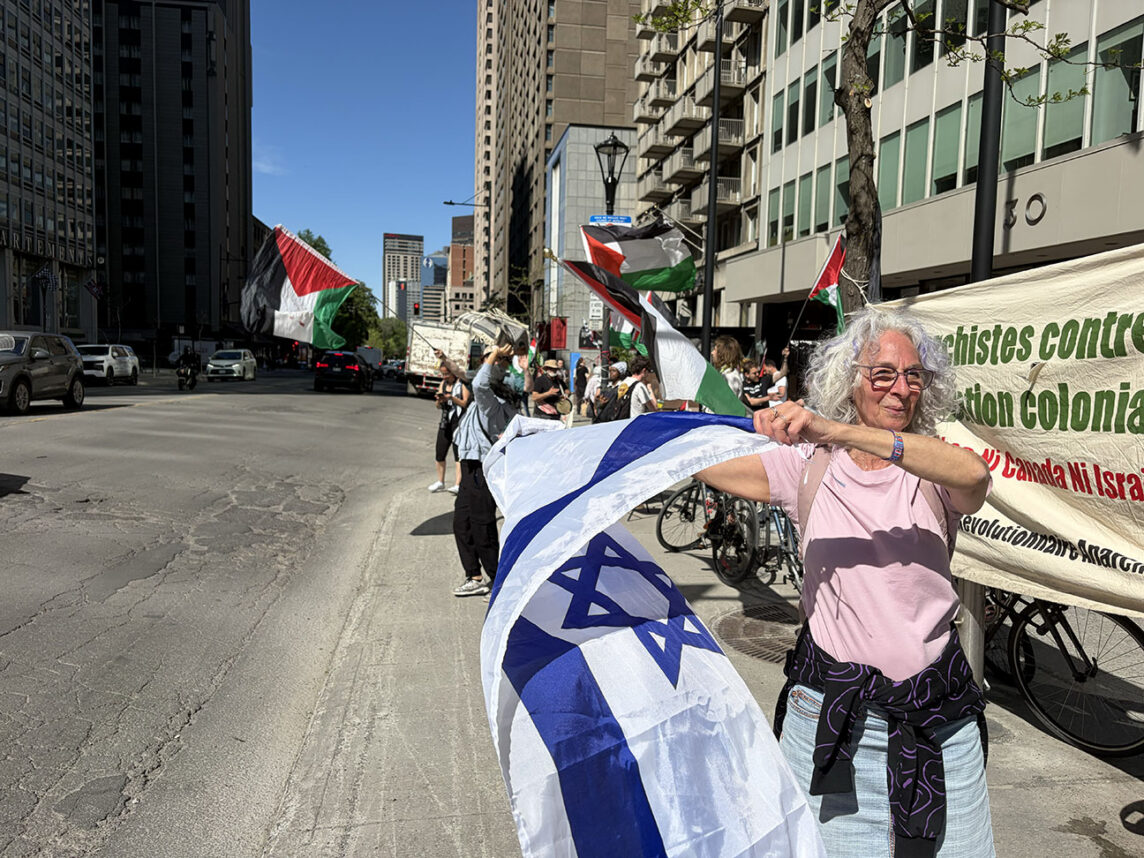
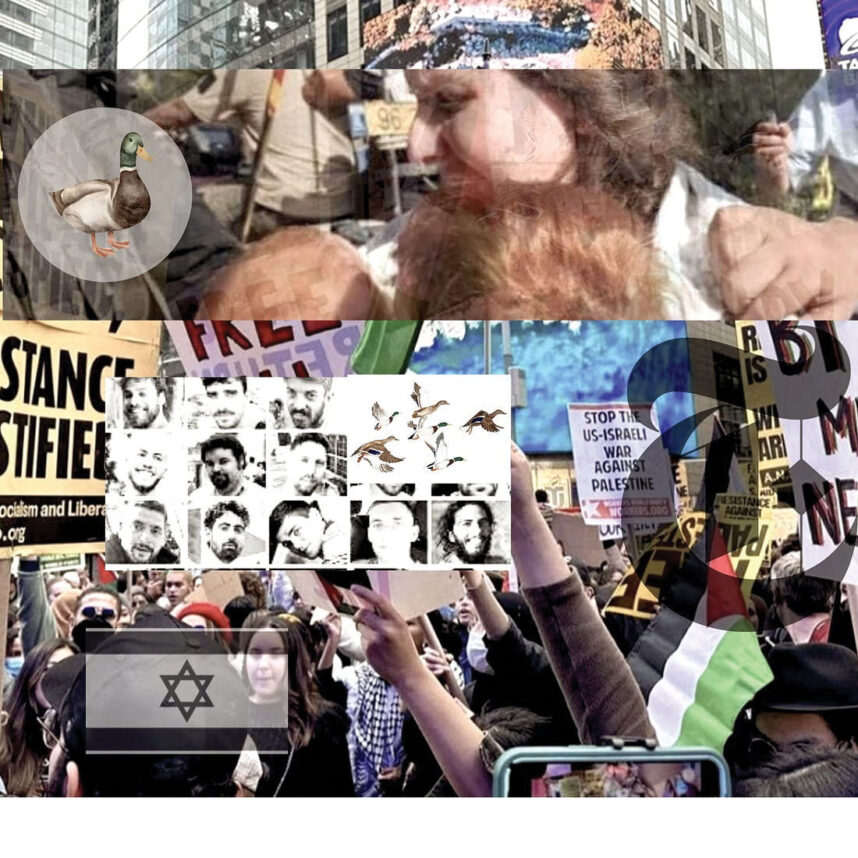
All of this rings painfully relevant in light of Black History Month, such a meaningful season for anyone invested in the cause of human rights and justice. This year, we have witnessed a breakdown of Jewish and Black closeness. We witness keffiyeh adorned Black activists on the streets chanting “from the River to the Sea”, and calling Israel a racist, apartheid state. It doesn’t matter that those accusations are boldly untrue; they fit into a narrative that has somehow evaded the true history and current day reality- that like Black Americans, Jews are a vulnerable minority, hated on the same abominable instincts that propel racism against Black people. That Israel is our indigenous homeland, and that we share a history of being ripped away from our homeland, and a longing to return. That we are due global reparations for the injustices and cruelty delivered upon our ancestors- Black and Jewish alike.
In honor of Black History Month, and the true alliances and shared experiences we have as communities that both endure profound oppression, we must pray and hope that somehow the truth can combat these tragic lies- that our actual history and the true closeness of our communities should be remembered, amplified and applied today.