Editor’s note: First in a series
When my grandmother was still alive, I would recite the words on Yom Kippur, “Al Tashlicheni b’et zikna. Do not cast me out in my old age. I never gave them a thought that they could ever possibly be about me.
In my late thirties, during my years in the hip ad biz, I created a campaign for the L.A. Jewish Federation. I wrote those words as the headline of a brochure honoring the Jewish elderly. I never even gave a thought that at the height of my career, those words could apply to me.
When my parents were alive in their nineties, and I would recite the words on Yom Kippur, I began to give the words more credence that they may one day apply to me. But not a lot.
This year on Yom Kippur, at age 71, those words were now for me.
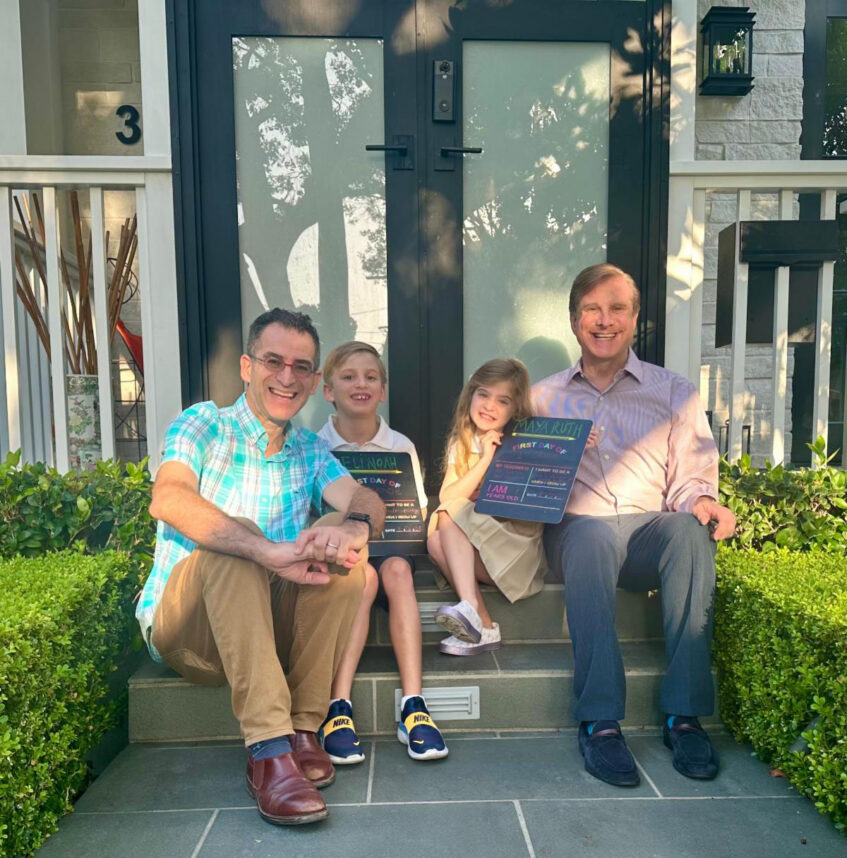
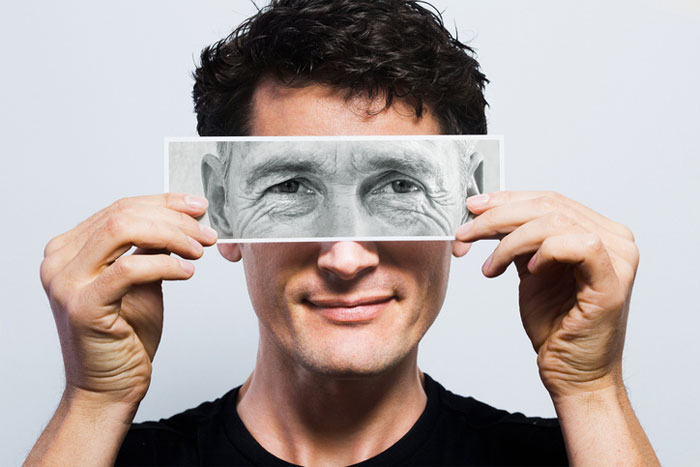
When I show my little grandchildren pictures of a younger me, they squeal, “Oh, that can’t be you.”
Standing on a crowded bus in Tel Aviv this last November, people kept getting up to offer me their seats. I realized they saw me as an old man. And I wanted to sock them.
Standing on a crowded bus in Tel Aviv this last November, people kept getting up to offer me their seats. I realized they saw me as an old man. And I wanted to sock them.
In the blink of an eye, I have arrived.
Several friends, cousins and classmates are dead. A new generation looks at me as irrelevant. In the face of all this, I have no interest in listening to my peers still claiming their status, money and regaling me with only stories of their good life. At this age, we have all faced so many challenges, disappointments, victimizations and losses, there should be no shame in sharing our difficulties as well.
I often find myself calculating how many good years I have left. And I know I’m both obsessive and sanguine. When in yoga, the class begins with a recitation of a long, vibrating group “OM,” I instead recite the “Shehechiyanu.” I thank God that my body can still do this, for the health and productivity of my wife, children, grandchildren, siblings, cousins and friends, for my ability to keep learning and growing, and for my personal creativity which I believe is as essential as exercise, family and friendships are to my continued forward movement.
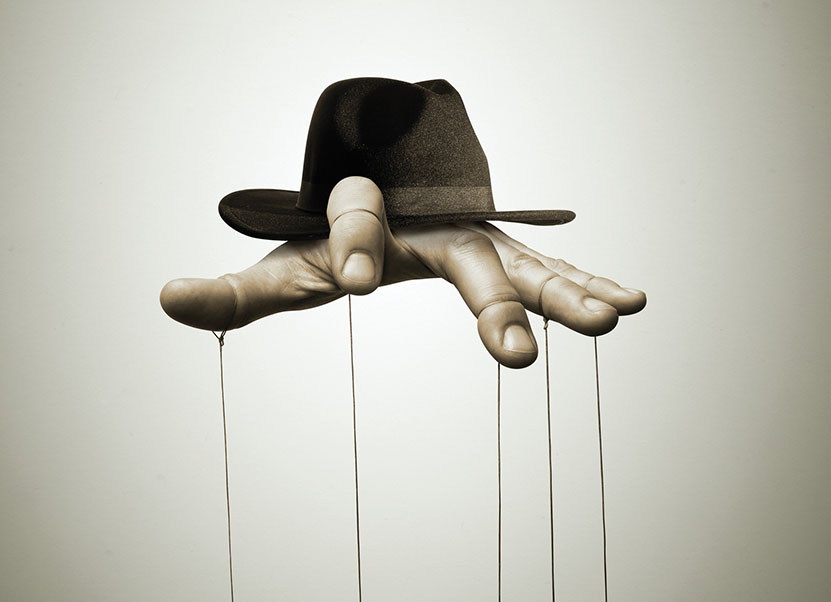
I think about the vulnerable, thin string upon which we all dangle.
I am particularly proud of having walked away from my former professions and the status I gained, having made the hard decision to do something completely different in my seventies, and finally dedicate my time to what I always wanted. Write. I take classes, workshops, and hire editors to teach me to raise my craft to levels of excellence. I’m in a writers’ critiquing group where I get alternately praised and smashed. At times, I find myself paralyzed for days. One of my workshop leaders said to me, “This is your next profession. If you don’t write every day, willing to expose yourself, you will never become the writer of excellence you are imagining for yourself.” When I write like this I am once again young and experimental, writing like time is not disappearing, writing and writing. And I am also writing as if tomorrow I may be demented or dead — writing with a vengeance. None of my professions have ever been as challenging and all-consuming.
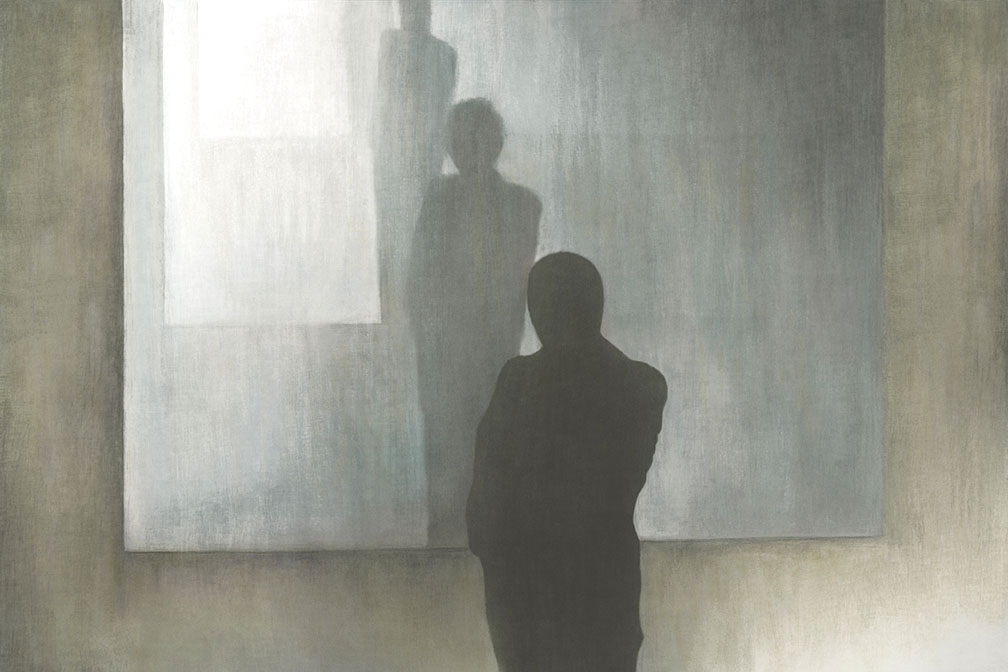
Recently a new challenge has arisen — the recognition of shrinkage. I’ve lost about ten people who were part of my everyday life. I am no longer at the center of global nonprofit and Jewish issues as I had been for so long, as a prominent marketing, communication and team creativity professional. My Jewish community has again become local, rather than the big national and international and Israeli one. I am no longer teaching at USC, exposed to a new generation, students from across the world, and the environment of scholars.
I’m struggling to determine how much of this shrinkage is acceptable to me. And how much I will I make the LA writers’ community and the local Jewish community an integral part of a new expansive experience in this later period of my life.
Al tashlicheni b’et zikna. Do not cast me out in my old age. I’m not only making this plea to God and the people in my life. I’m making it to myself.
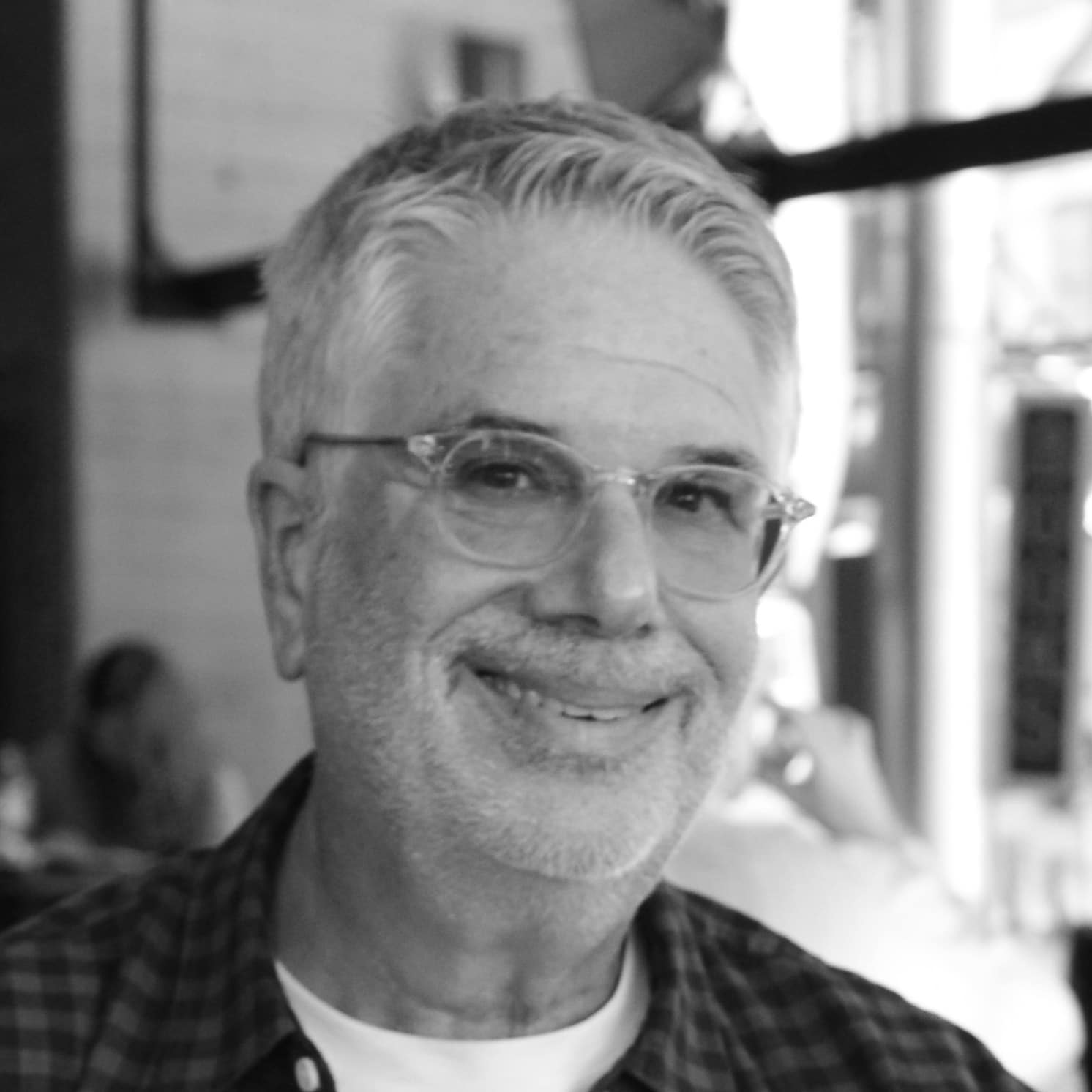
Gary Wexler woke up one morning and found he had morphed into an old Jewish guy.