fbpx

Andrew Garfield: The Jewish Spidey [SLIDESHOW]

[additional-authors]
July 2, 2012

While watching “The Amazing Spider-Man,” I was struck by how much Andrew Garfield-as-Spidey – or rather, his alter-ego, Peter Parker – reminded me of the kind of gangly geeky-cute guys you’d develop a crush on at Jewish summer camp. 

And that casting perhaps makes sense, given that Peter Parker is Jewish, speculates Rabbi Simcha Weinstein, author of “Up, Up and Oy Vey: How Jewish History, Culture and Values Shaped the Comic Book Superhero.” 

Weinstein, of course, mentions that Spider-Man’s comic book creator, Stan Lee (born Stanley Martin Lieber) is Jewish, and that the character in his opinion personifies the Jewish values of “responsibility and redemption.”  “Peter Parker’s a nerd who grew up in Forest Hills, his middle name is Benjamin and he’s motivated by guilt…I see a connection,” Weinstein told Israel National News.

“Just like generations of Jews, his ancestors were wiped away (the character’s Uncle Ben was murdered by a mugger) and whether they had powers or not, they couldn’t do anything to stop it. The theme of Jewish guilt runs as a powerful undercurrent,” he said.

Garfield perhaps can relate. “I feel like I have a really big guilt complex and that if I’m not doing any kind of good then there’s no real reason for being,” the 28-year-old actor said in an interview with IndieLondon. That complex comes from “being Jewish,” he said.  “And yes, I’m sure it stems from being privileged. I was brought up in a middle class home. I went to private school. And I was always very aware of me not earning that. I got a very good lot in life.”

Garfield is now using his celebrity superpowers to work toward the greater good:  He’s currently the ambassador of sport for the Worldwide Orphans Foundation.

Our mitzvah senses are tingling!

“The Amazing Spider-Man” opens July 3

Did you enjoy this article?
You'll love our roundtable.

Editor's Picks

Latest Articles

Celebrate Rugelach Day

Like many enduring recipes – traditional rugelach dates back centuries in Eastern Europe – it was passed down, adapted and refined in kitchens through multiple generations.

Ban Antisemites from World Cup Soccer

Our nation’s leaders should exclude those whose behavior violates America’s fundamental moral values. That will send a message to athletes and aspiring athletes around the world that the United States rejects bigotry.

The Golden Rule: What Does It Mean in Practice?

We are being commanded to be kind to others, but we are not being asked to be angels, especially when dealing with those who do not share our values, including those who are our enemies.

Israel and America

As Israel turns 78, its alliance with America is being questioned from all sides. What is the wise path forward?

The Essence of Prayer

While prayer and meditation seem similar, they are different. Prayer involves praying to a higher being. Meditation is more about focusing on yourself and your inner dialogue. Together, they can help you become more centered.

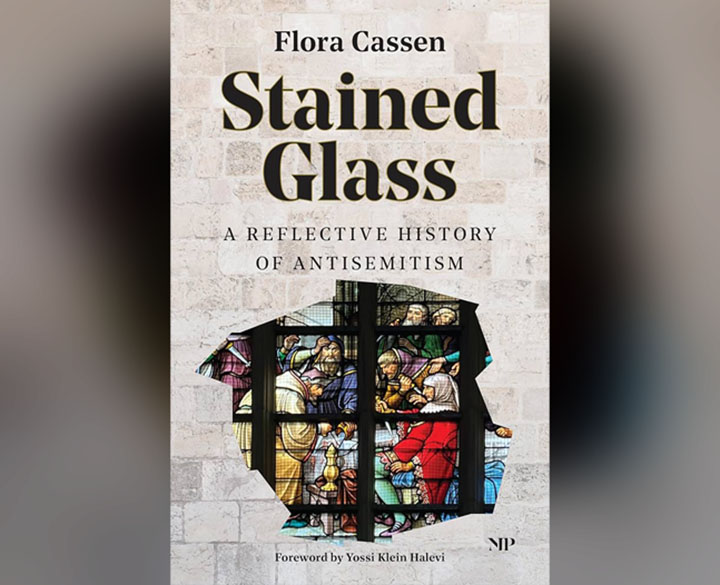
How We Got Here

Part history, part memoir, part farewell letter to her native land, “Stained Glass” tells its agonizing story with restrained anger, but more so, deep sadness.

Casting Our Votes

No endorsements. Just three possibilities to consider as we prepare to navigate an increasingly complicated political landscape before we cast our votes for these three critical offices.

Where Independence Begins: What Israel Understands About Freedom

Israel’s path to independence unfolded under conditions where the outcome remained uncertain until it was achieved. No external mechanism could deliver it cleanly or without cost. It took shape through sustained effort in an environment defined by risk.

Lies in the Air, Facts on the Ground

We sing no matter what. When the hostages were held in Gaza, we sang in their honor. When another week of bad news hits us, we sing. Our singing is our fact on the ground.

More news and opinions than at a Shabbat dinner, right in your inbox.