When a group of rabbis from across the spectrum recently were asked if Jews believe in adoption, they were unanimous in their endorsement. A survey of Jewish households has shown that 5 percent are raising at least one adopted child, double the American average in non-Jewish homes. Here are the responses of two rabbis advocating adoption.
Conservative View
by Carl Perkins
Adoption has a long and honorable place in the Jewish tradition.
Beautiful statements in the Talmud and elsewhere demonstrate our tradition’s respect for adoptive parents. The Talmud teaches us that those who raise children born to others are regarded, according to Scripture, as though they themselves had sired or given birth to them.
Put another way, “the one who brings up a child is to be called its father (or mother).”
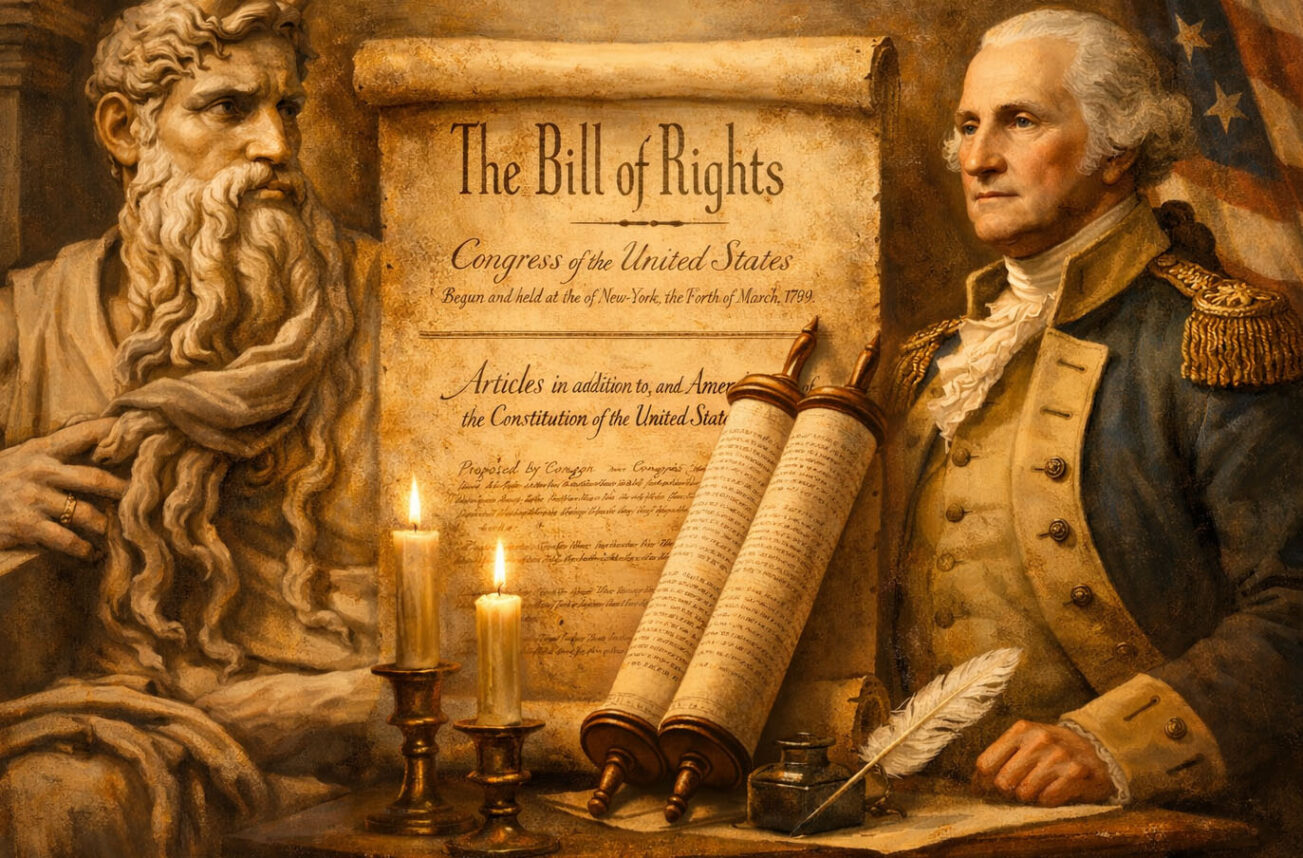
We have wonderful examples of adoption in our tradition. Consider Moses. The Bible tells us that Pharaoh’s daughter adopted Moses and raised him as her own child — and even gave him the name by which he would be known for the rest of his life.
You may find this an awkward example because Moses later identified with his family of origin and ultimately led a revolt against his adoptive family’s dynasty.
But our tradition has nothing but praise for the manner in which Moses was raised in Pharaoh’s daughter’s household.
There is also the great Jewish heroine Esther. She was adopted by her cousin Mordecai after the death of her biological mother and father. We even have a case recounted in the Bible of a child, Oded, being adopted by his grandmother Naomi.
Of course, adoption today isn’t identical to what it was in the biblical or talmudic eras, but the point still holds: Judaism has long recognized, valued and believed in adoption — and it still does.
Generally, when a child is adopted, unless it is certain that his or her birth mother is Jewish, the child is converted to Judaism at that time under the authority of a beit din (Jewish court).
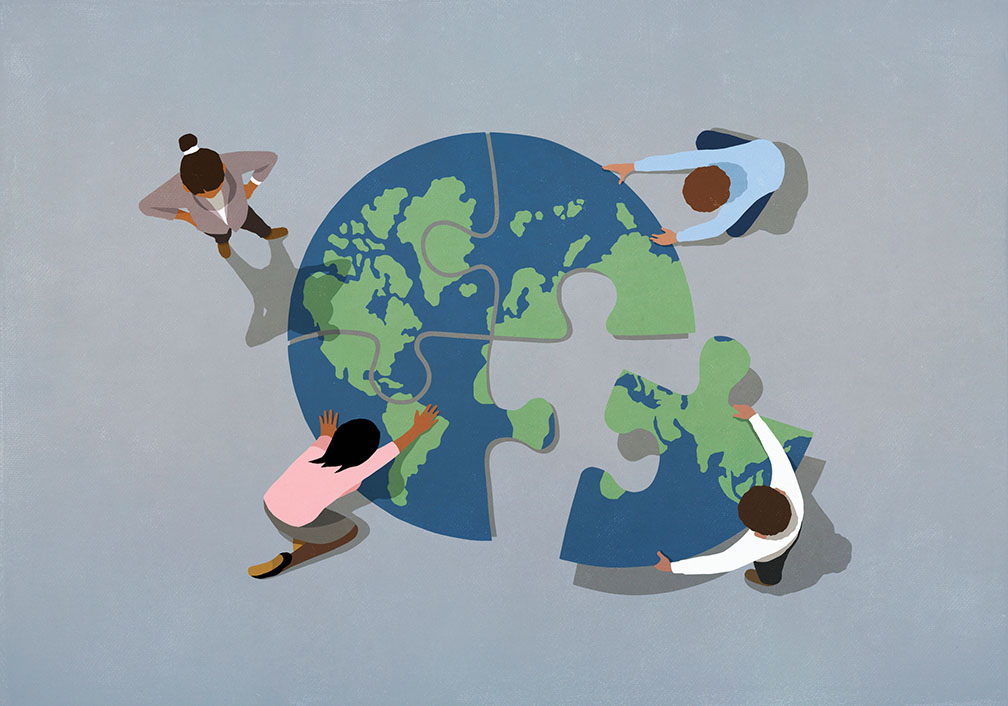
It is worth noting (and celebrating) in this day and age in which children are adopted from all over the globe that, partly because of adoption, Jews now come in all colors.
Carl Perkins is a Conservative rabbi.
Orthodox View
by Stuart Grant
Adoption is a complicated issue in Jewish law.
Ethically, we consider raising someone else’s child as a great mitzvah of tzedakah (righteous charity).
We hold by the rabbinic dictum that the teacher of a child is also viewed as the child’s parent with all the respect that implies.
The problem arises as to whom one should adopt.
If one adopts a child not born from a Jewish mother, one converts the child as early as possible with a mikveh (ritual immersion) and, if a male, circumcision.
In Orthodox tradition, one sends the child to a Jewish school, and at the age of bar or bat mitzvah, one asks the child if he or she wishes to remain Jewish.
With the child saying “yes,” the conversion process is complete.
Nothing else is necessary.
Needless to say, such a process of questioning can be traumatic for the young teen.
It is crucial to know who the birth parents are so that, as an adult, the child does not unwittingly marry a prohibited relative.
There is perhaps a greater problem in adopting a Jewish child than in adopting a non-Jewish child because the Jewish community is relatively small compared to the non-Jewish community.
Furthermore, there is also the concern that the Jewish child might be the product of a prohibited marriage where the mother did not receive a get, a religious divorce, from her first husband, and the child is a product of her second marriage.
Therefore, although I believe Judaism encourages adoption as a great mitzvah, adoption needs to be done with the greatest care for the child’s development and adult life.
Stuart Grant is an Orthodox rabbi.