
Prose can be translated into a quite foreign tongue,
whereas, Auden asserted, poetry can not,
It might be a delicious dish of thoughts that are far flung,
relished when they’re read as if they were red hot.
Translated into prose, poetic thoughts aren’t only cooled
but frozen, only partly understood, and hardly felt,
becoming tips of icebergs by which readers may be fooled,
unaware of depths that prose translations caused to melt.
This phenomenon affects those Bible scholars who
do not appreciate its hidden depths, the golden apple’s core,
and concentrating on its peel, peshat, do not construe
its tasty texts with exegesis midrashim explore.
In Episode 243 of his Bible365 podcasts (“Lincoln’s Proverbs”), Meir Soloveichik recalls Lincoln’s allusion to Prov. 25:11 which states:
יא תַּפּוּחֵי זָהָב, בְּמַשְׂכִּיּוֹת כָּסֶף– דָּבָר, דָּבֻר עַל-אָפְנָיו. 11 A word fitly spoken is like apples of gold in settings of silver.
Lincoln decided that the Declaration of Independence was the apple of gold and that Union and Constitution comprised its silver frame (see Tony Williams, “An Apple of Gold in a Picture of Silver,” lawliberty.org).
Rabbi Soloveichik pointed out Malbim’s interpretation of Prov. 25:11, suggesting that the silver to which the verse refers protects the golden apple’s core which protect the secrets of the heart and mind.
Moses Maimonides writes in his introduction to his Guide to the Perplexed:
The Sage has said, “A word fitly spoken is like apples of gold, בְּמַשְׂכִּיּוֹת, in settings (maskiyyot) of silver” (Prov. 25:11). Hear now an elucidation of the thought that he has set forth. The term maskiyyot denotes filigree traceries . . . When looked at from a distance or with imperfect attention, it is deemed to be an apple of silver; but when a keen-sighted observer looks at it with full attention, its interior becomes clear to him and he knows that it is of gold. The parables of the prophets, peace be on them, are similar.
—Moses Maimonides, Guide of the Perplexed (trans. S. Pines) (11–12)
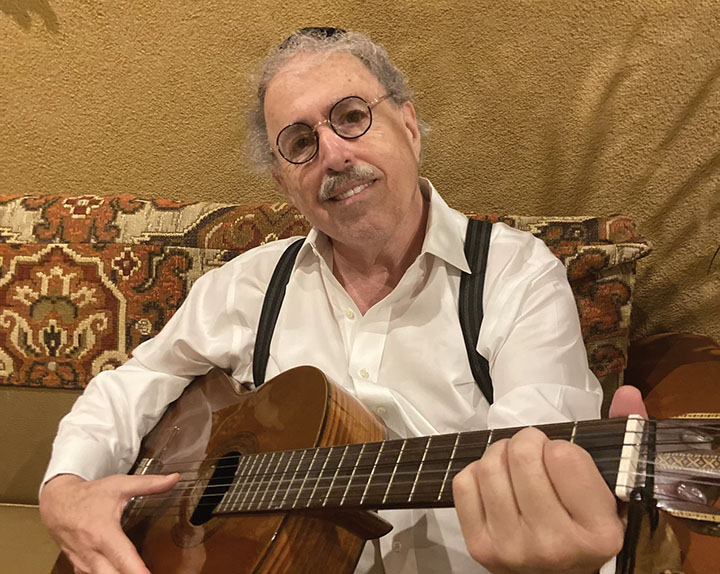
Gershon Hepner is a poet who has written over 25,000 poems on subjects ranging from music to literature, politics to Torah. He grew up in England and moved to Los Angeles in 1976. Using his varied interests and experiences, he has authored dozens of papers in medical and academic journals, and authored “Legal Friction: Law, Narrative, and Identity Politics in Biblical Israel.” He can be reached at gershonhepner@gmail.com.