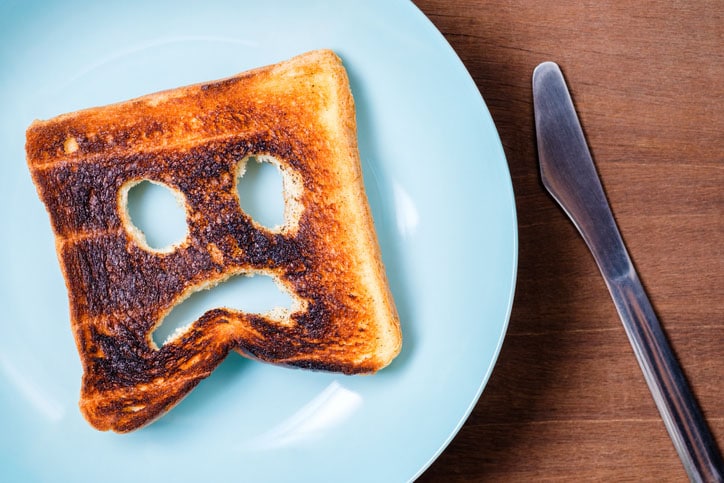
Things never are so bad that they cannot get worse
has sadly been quite true about Venezuela,
but staleness is something that you can reverse,
preventing bread by toasting from becoming staler.
Although this bread-rule’s true, it hardly is to leaders
like President Vladimir Putin now applicable;
egregious aggression and his grandiose greed is
unlikely to transform him to toast, though despicable,
which means unlike burned toast he never will be crumbled,
consumed by his consumers he wants to digest.
It’s rare for bad leaders to fall or be tumbled,
overthrown by the people whom they have oppressed.
We see this not only in Russia but in
contemporary countries ruled by autocrats,
who are contemptible, like Iran, China, Hebrew: Sin,
the country’s cover story of covidious bats,
which caused a bad disease that isn’t getting better,
and even may get, I’m afraid to think, much worse.
On the healing process it is wrong to be a better,
and far more sensible to bet on the reverse.
After the Ten Plagues God drowned all Pharaoh’s host
in the Reed Sea and Moses sang a famous song,
but Putin won’t be turned by the Ukrainians to toast
unless this poem’s title and first line are wrong.
The title and first line of this poem were inspired by Things are Never So Bad that They Can’t Get Worse: Inside the Collapse of Venezuela by William Neuman.
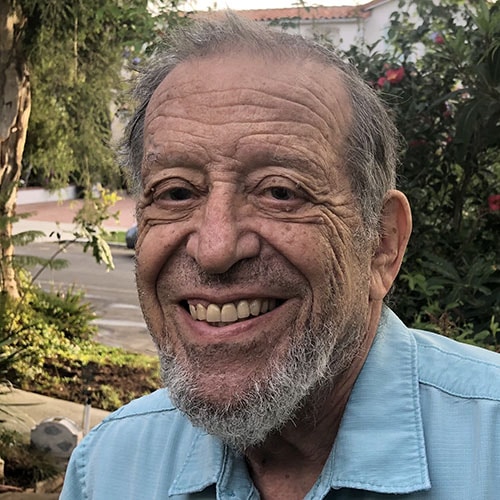
Gershon Hepner is a poet who has written over 25,000 poems on subjects ranging from music to literature, politics to Torah. He grew up in England and moved to Los Angeles in 1976. Using his varied interests and experiences, he has authored dozens of papers in medical and academic journals, and authored “Legal Friction: Law, Narrative, and Identity Politics in Biblical Israel.” He can be reached at gershonhepner@gmail.com.