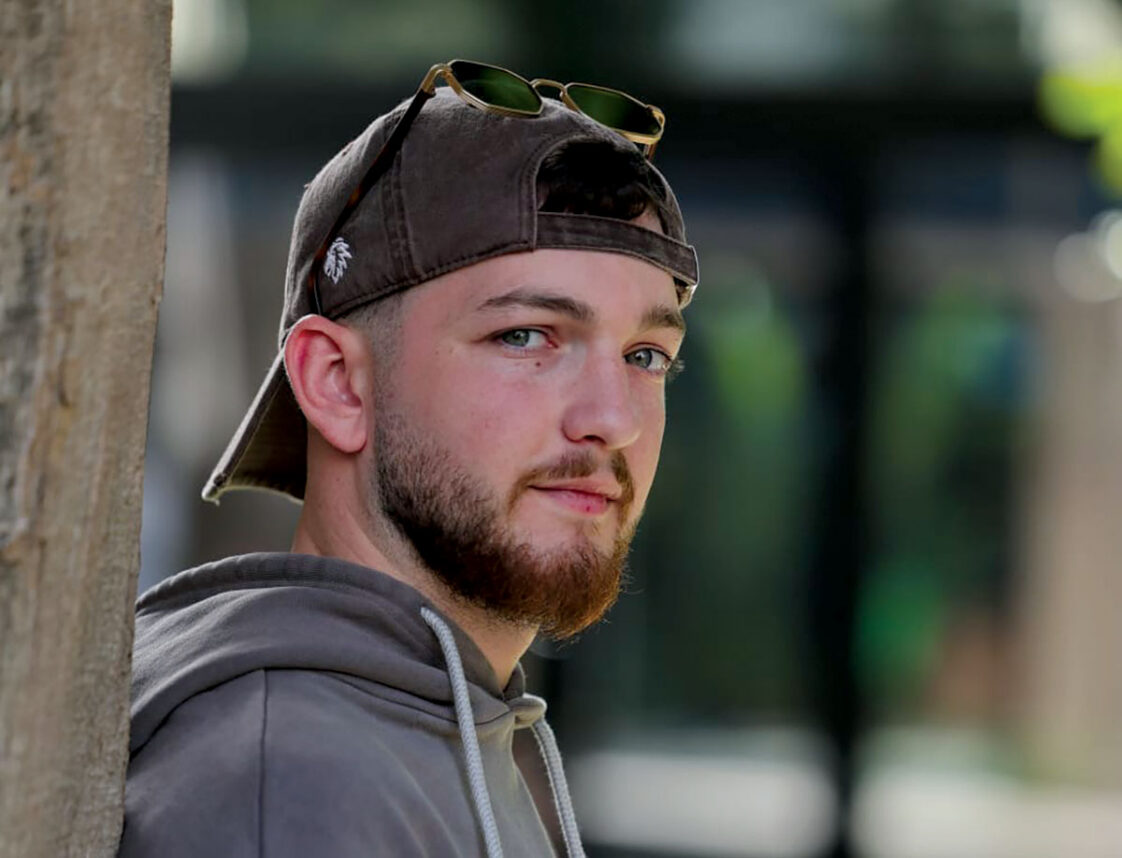

Emerging filmmaker Ben Rosloff is taking what he learned at his time as a Jewish Inclusion Fellow in RespectAbility’s National Leadership Program, by creating a 16-part short videos series featuring Jews with disabilities. The series asks the question, “What do you pray for?”
The series, created during the pandemic, centers on the universal nature and themes of prayer, as well as the hopes and dreams of people with disabilities. Rosloff, a filmmaker on the Autism spectrum, explores his intersection of disability and prayer in the Jewish community and asks the guests to do the same. Filming for the series released on April 9 began in late 2020 via Zoom.
“I am grateful for the opportunity to use my talent to share these insights from talented Jews with disabilities,” Rosloff, said. “I look forward to more professional opportunities to continue telling people stories as a video producer, editor and filmmaker.”
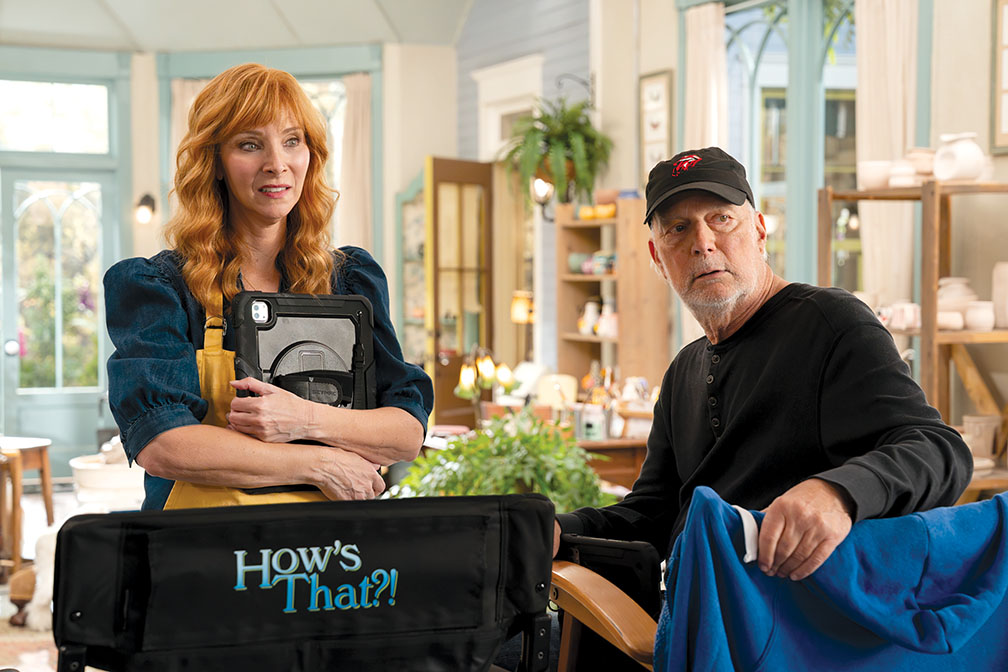
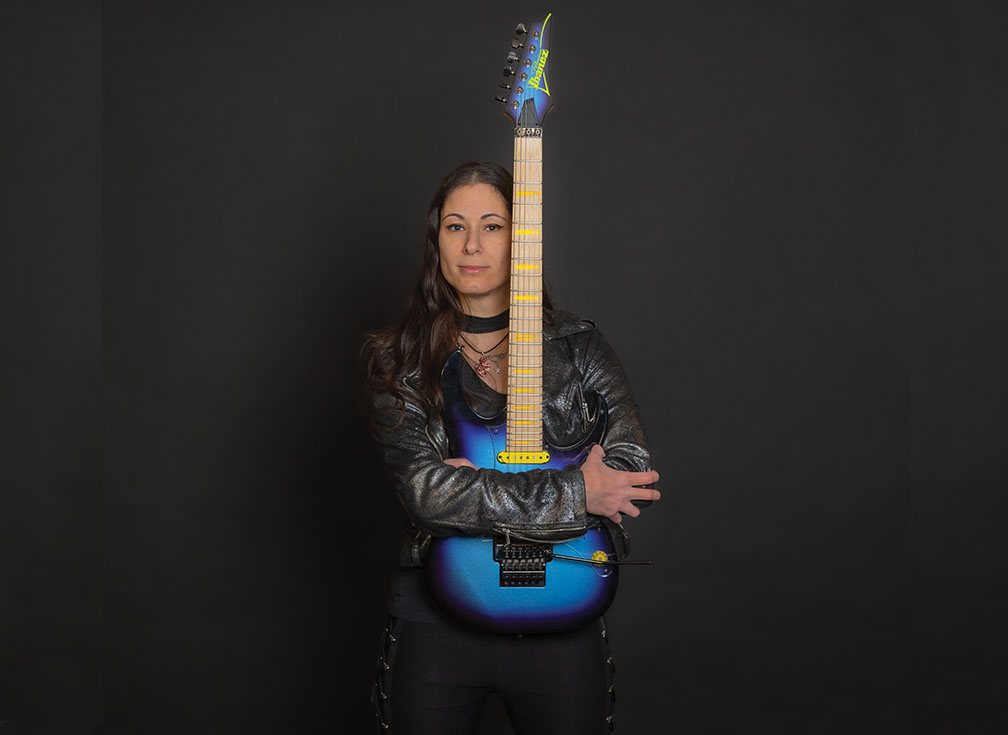
Each video includes interviews with poets, clergy, entrepreneurs, entertainment leaders, activists and educators with disabilities. Each person shares insights on their disability experience and presents both their challenges as well as opportunities.
The videos will be released weekly in RespectAbility’s newsletter, “Jewish Disability Perspectives.” RespectAbility will also host a release event with the speakers together in Summer 2021.
Matan Koch, director of Jewish Leadership at RespectAbility says, “I was truly gratified when Ben, as a fellow who was working on our communications team at the time, took the initiative to offer this wonderful idea. I hope that this insight into the thoughts and dreams of individuals with disabilities will highlight that we are talented members of the Jewish community just like anyone else.”
Rosloff, who is engaged with RespectAbility’s Jewish inclusion team, fights stigmas and advances opportunities so that Jews with disabilities can contribute their talents to the Jewish world. Rosloff, a New York native, has made films for a variety of organizations, including his documentary short “Can I Call You?!” His work has been screened around the world, including a film he made for World Autism Awareness Day, where Ben interviewed then-Secretary General Ban-Ki Moon and “#Envision 2030” for Disability Awareness Day.
To receive the weekly newsletter and witness the 16-part series, fill out this web form.