We’re in this weird moment. Now that more and more people are getting vaccinated, many of us are gingerly returning to some of our old activities — you know, the kind of things we used to do before the pandemic hijacked our lives: go to movies, restaurants, synagogues, visit friends and so on.
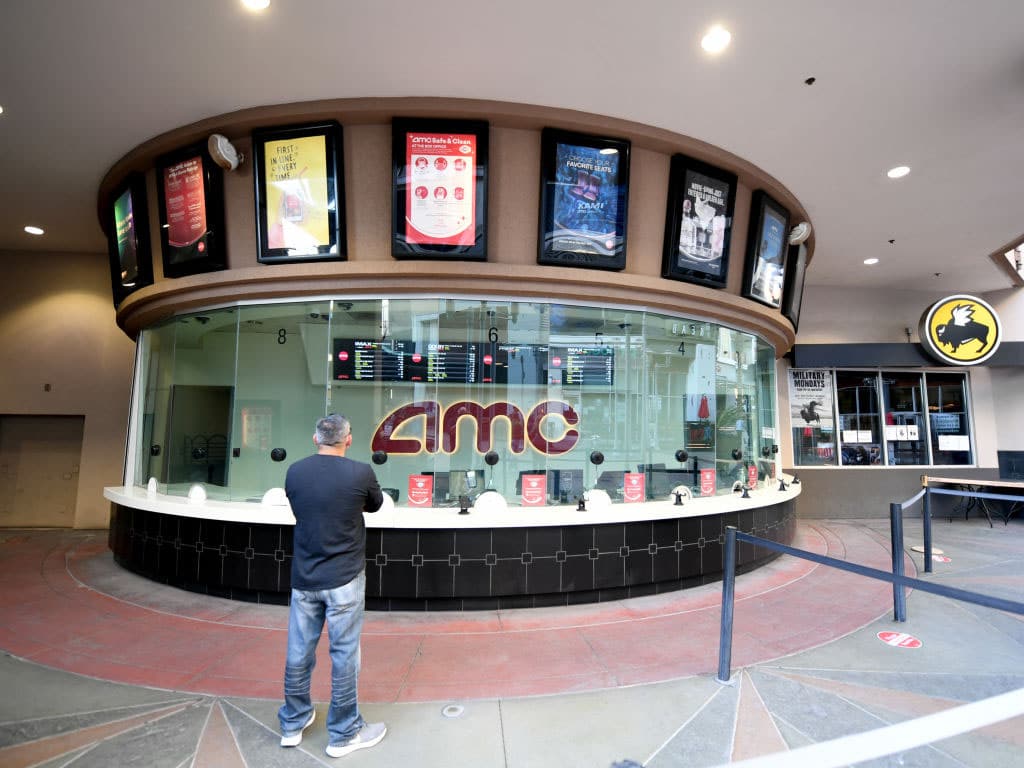
But as exciting as that may sound, it’s also unsettling. Nothing is the way it was. Movie theaters that used to be packed with crowds feel like mini-ghost towns. The physical space is the same, yes, but the human component has shrunk. I find myself walking around empty movie lobbies with a handful of other diehards. I miss the crowds.
I imagine it will be similar with some of the synagogues that have begun to reopen — the same physical space but fewer people and everyone physically distanced and still wearing masks.
In other words, we’re back, but we’re not really back.
It’s sobering to see familiar spaces largely devoid of people — like the sight, perhaps, of a fading movie star. It’s the people, after all, that create the atmosphere, warmth and communal energy we’ve been craving and missing for so long.
It’s sobering to see familiar spaces largely devoid of people — like the sight, perhaps, of a fading movie star. It’s the people, after all, that create the atmosphere, warmth and communal energy we’ve been craving and missing for so long.
But like so many other things in life, if we look hard enough, we can always find a silver lining.
The absence of crowds reminds me both of what I love and what I miss. If I’m among a handful of people at a movie theater, it reminds me how much I’ve loved films my whole life, and nothing has changed that. If I can’t see the crowds I’m used to, it reminds me that I miss the human energy that nourishes us at our common gathering places.
When the old crowds will return, whether in theaters or synagogues or other places, we’ll just be happy and relieved to be back in our familiar worlds.
But right now, we are only tasting that world. We have some of what we love, but we don’t have it all. This gives us a chance to better appreciate both the things we love in life and the things we miss. They’re both equally valuable.
Shabbat shalom.