Passover arrives each spring as a powerful reminder that the story of freedom is never truly finished. When we gather around the seder table, we do not simply commemorate an ancient exodus — we are commanded to see ourselves as if we personally left Egypt. The Hebrew word Mitzrayim, often translated as Egypt, literally means “narrow place.” And so the Passover story becomes something deeply personal: a call to examine the narrow places in our own lives, in our communities and in our world, and to ask what it means to move from constriction toward liberation.
Reform Judaism has always understood freedom not merely as an absence of chains, but as an active, ongoing responsibility. The Exodus gave the Israelites physical freedom, but the 40 years in the wilderness were a reminder that true liberation is far more than a single moment of deliverance. It requires building just institutions, caring for the vulnerable and doing the hard internal work of becoming the people we are meant to be. Our tradition teaches b’chol dor vador — in every generation, each person must see themselves as having personally come out of Egypt. This is not nostalgia. It is a charge to remain awake to the liberating work still before us.
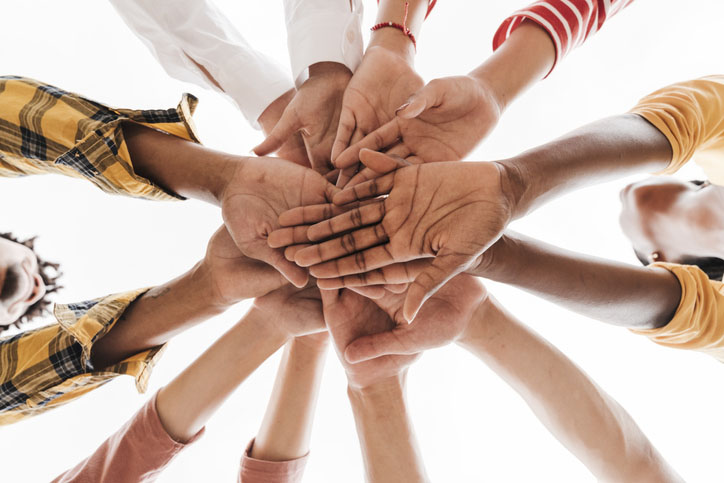
Part of that liberating work is the ongoing commitment to diversity and inclusion — within Congregation Or Ami’s walls and beyond them. The seder table itself is a model of radical welcome: we are told explicitly to invite the stranger, to make room for those who ask questions and for those who do not yet know how to ask. Our community is made richer by the many different people who find their way to Judaism — by birth, by choice, by marriage, by curiosity — and by the varied backgrounds, identities and life experiences each person brings. True freedom cannot exist in a community where some feel unseen or unwelcome. When we widen the circle, we do not dilute our tradition; we fulfill it.
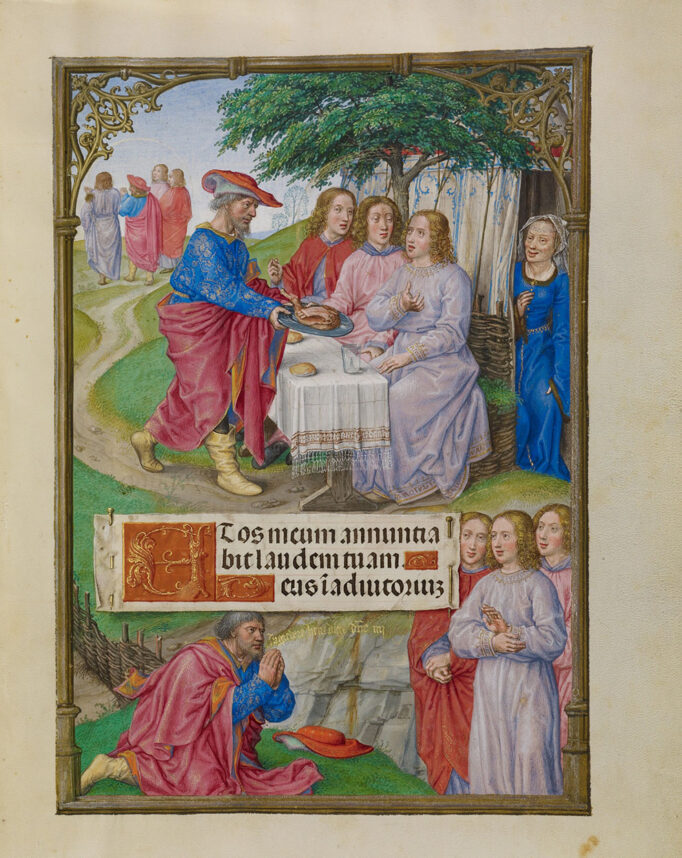
In our own time, the work of freedom takes many forms. It means standing up for those still living in their own narrow places — whether through poverty, discrimination, illness or isolation. It means asking the Four Questions not just at the seder but throughout the year: Why is this night different? Why is this moment different? What will we do differently? The Passover seder models a tradition of questioning, of welcoming the stranger, of leaving the door open for Elijah — and for all the possibilities that have not yet arrived. Freedom, in the Jewish imagination, is not a destination we reach once and keep forever. It is a direction we must continually choose.
As we celebrate Passover this year, may we take the spirit of the seder table with us into the weeks and months ahead. May the taste of bitter herbs remind us of suffering we must not ignore, and the sweetness of the charoset remind us of the world we are building together. May our community be a place where every person — in all their beautiful diversity — finds a seat at the table. And may we move, each of us and all of us, from narrow places toward wider ones, from constriction toward possibility, from Mitzrayim toward freedom.
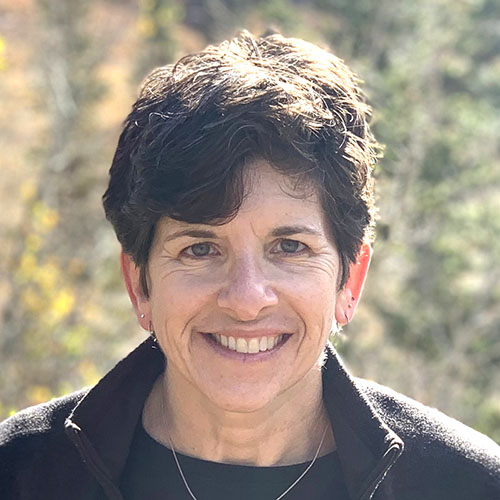
Pamela Dyne a proud member of Congregation Or Ami’s Mosaic Committee, as well as an emergency physician, wife to Barry, mother of Zach and Micki, and grandmother of Vinny.