
Rosh Hashanah is not just time… but an ancestor of Israel, Isaac, will come to life,
the source of the New Year Festival produced by the pregnancy of Abraham’s wife.
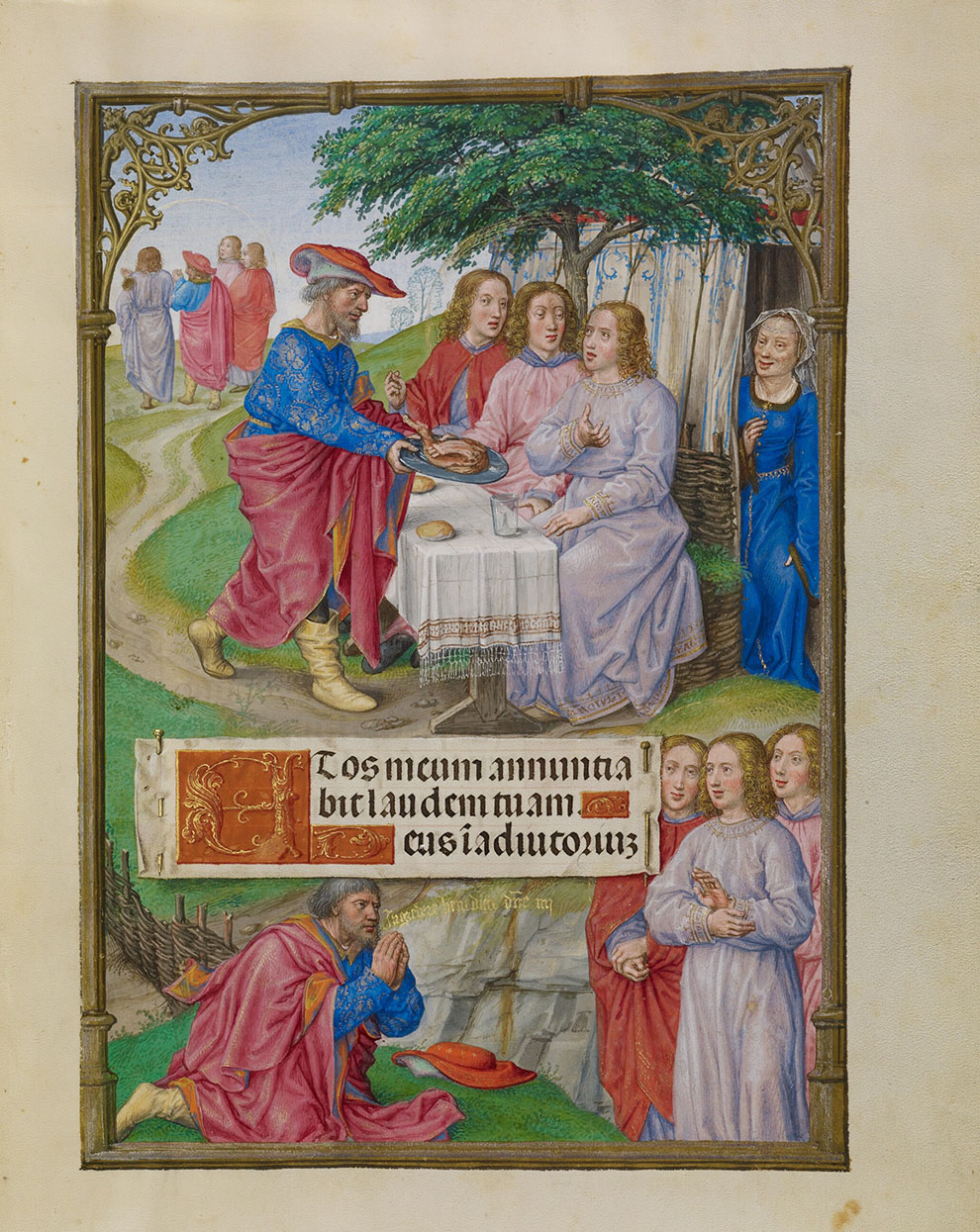
When Abraham’ wife Sarah hears angelic beings who’re announcing
the birth to her in her old age of a son who’d come to life as surely as does time,
it is not only birth of a young son in her womb the angel is pronouncing
inside their tent, but the festival with which this birth will rhyme.
Ka’eyt hayah, like time when it comes to life, including our New Year, is the Hebrew expression
for the royal shofar-chauffeured festival of Rosh Hashanah, just like
the celebration of the birth of the son of Sarah, who laughs when she overhears the angelic profession
of this prediction, perhaps because in English her son Yitzhak’’s English name, Isaac, will be abbreviated as Ike.
This hiddush is an extrapolation of one that Menahem Leibtag provided to a Torah in Motion audience, explaining the importance of the word mo’ed in the encounter of the angels with Abraham and Sarah in Gen. 18:10-14, when it states:
י וַיֹּאמֶר, שׁוֹב אָשׁוּב אֵלֶיךָ כָּעֵת חַיָּה, וְהִנֵּה-בֵן, לְשָׂרָה אִשְׁתֶּךָ; וְשָׂרָה שֹׁמַעַת פֶּתַח הָאֹהֶל, וְהוּא אַחֲרָיו. 10 And He said: ‘I will certainly return unto thee ka’eyt hayah, when time comes to life; and, lo, Sarah thy wife shall have a son.’ And Sarah heard in the tent door, which was behind him.—
יא וְאַבְרָהָם וְשָׂרָה זְקֵנִים, בָּאִים בַּיָּמִים; חָדַל לִהְיוֹת לְשָׂרָה, אֹרַח כַּנָּשִׁים. 11 Now Abraham and Sarah were old, and well stricken in age; it had ceased to be with Sarah after the manner of women.—
יב וַתִּצְחַק שָׂרָה, בְּקִרְבָּהּ לֵאמֹר: אַחֲרֵי בְלֹתִי הָיְתָה-לִּי עֶדְנָה, וַאדֹנִי זָקֵן. 12 And Sarah laughed within herself, saying: ‘After I am waxed old shall I have pleasure, my lord also being old?’
יג וַיֹּאמֶר ה׳, אֶל-אַבְרָהָם: לָמָּה זֶּה צָחֲקָה שָׂרָה לֵאמֹר, הַאַף אֻמְנָם אֵלֵד–וַאֲנִי זָקַנְתִּי. 13 And the LORD said unto Abraham: ‘Wherefore did Sarah laugh, saying: Shall I of a surety bear a child, though I am old?’
יד הֲיִפָּלֵא מֵה׳, דָּבָר; לַמּוֹעֵד אָשׁוּב אֵלֶיךָ, כָּעֵת חַיָּה–וּלְשָׂרָה בֵן. 14 ‘Is any thing too hard for the LORD. Lamo’ed, at the festival, I will return unto thee ka’eyt hayah, when time seems to come to life, and Sarah shall have a son.’
The keywords in this narrative are mo’ed, festival, which in Gen. 18:14 lamo’ed, at the festival, links the concept of mo’ed, festival, to the birth of Isaac predicted by the angel, thus explaining the words ka’eyt hayah, when time seems to come to life, repeated twice, in Gen. 18:10 and 14, accompanied in 18:14 by the word lamo’ed, at the festival.
According to my hiddush, the use of the simile ka’eyt hayah, when time seems to come to life, implies that Isaac’s descendants will give structure to time, a fact we will remember every Rosh Hashanah when we read about this in Genesis 18, following a commandment that is deduced from in a midrashic text that quotes Lev. 23:2-4:
ב דַּבֵּר אֶל-בְּנֵי יִשְׂרָאֵל, וְאָמַרְתָּ אֲלֵהֶם, מוֹעֲדֵי ה׳, אֲשֶׁר-תִּקְרְאוּ אֹתָם מִקְרָאֵי קֹדֶשׁ–אֵלֶּה הֵם, מוֹעֲדָי. 2 Speak unto the children of Israel, and say unto them: Mo’adei, the appointed festivals, of the LORD, which ye shall proclaim to be holy convocations, even these are mo’adai, My appointed festivals.
ג שֵׁשֶׁת יָמִים, תֵּעָשֶׂה מְלָאכָה, וּבַיּוֹם הַשְּׁבִיעִי שַׁבַּת שַׁבָּתוֹן מִקְרָא-קֹדֶשׁ, כָּל-מְלָאכָה לֹא תַעֲשׂוּ: שַׁבָּת הִוא לַה׳, בְּכֹל מוֹשְׁבֹתֵיכֶם. {פ} 3 Six days shall work be done; but on the seventh day is a sabbath of solemn rest, a holy convocation; ye shall do no manner of work; it is a sabbath unto the LORD in all your dwellings. {P}
ד אֵלֶּה מוֹעֲדֵי ה׳, מִקְרָאֵי קֹדֶשׁ, אֲשֶׁר-תִּקְרְאוּ אֹתָם, בְּמוֹעֲדָם. 4 These are mo’adei, the appointed festivals, of the LORD, holy convocations, which ye shall proclaim bemo’adam, in their appointed times.
I suggest that we fulfil the commandment in Lev. 23:4 not just by reading the story of the encounter of Abraham and Sarah with the angels who predict the birth of Isaac, but by celebrating all festivals, remembering this on Rosh Hashanah when we reads texts in Genesis 18 that imply that Isaac is the living source of these festivals, in accordance with the simile, ka’eyt hayah, when time comes to life. This simile links Rosh Hashanah to Isaac, a festival in which we also read about the preservation of Isaac’s life when we blow the shofar, recalling the ram whose life preserved that of Isaac.
The word חַיָּה, hayah, in the expression כָּעֵת חַיָּה, ka’eyt hayah, in Gen. 18:14, also denotes “midwife,” and in Exod. 1:19 this word is used to describe the midwives who saved the lives of the Israelites in Egypt. This wordplay suggests to me that the expression כָּעֵת חַיָּה, ka’eyt hayah, implies that the way that time generates festivals makes it comparable to a midwife. This link is especially relevant to the generation of the festival of Rosh Hashanah, when we pray to God to save our lives like a midwife, a role Moses obliquely ascribes to God in Num. 11:12.
Gershon Hepner is a poet who has written over 25,000 poems on subjects ranging from music to literature, politics to Torah. He grew up in England and moved to Los Angeles in 1976. Using his varied interests and experiences, he has authored dozens of papers in medical and academic journals, and authored “Legal Friction: Law, Narrative, and Identity Politics in Biblical Israel.” He can be reached at gershonhepner@gmail.com.

































