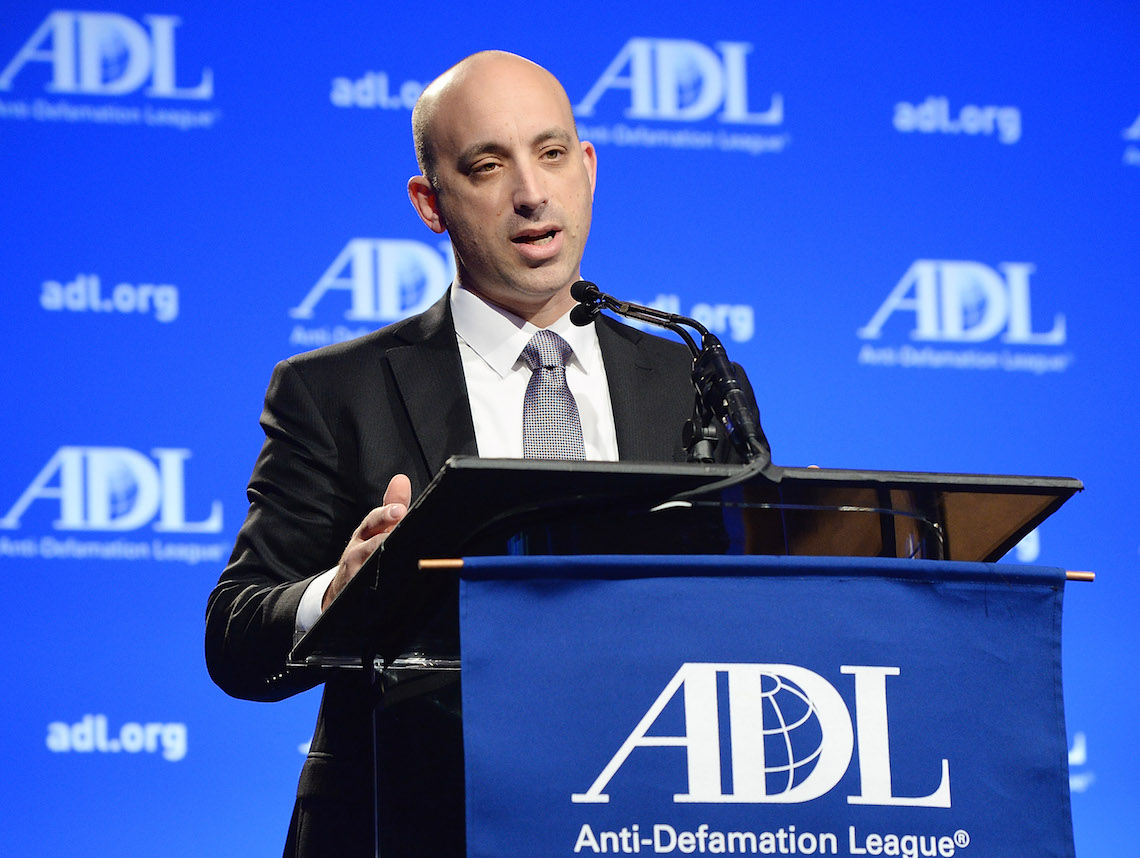
After recording a “massive surge of anti-Semitic incidents” in the last two months of 2016, the Anti-Defamation League (ADL) has taken the unprecedented step of releasing a midyear audit — and found a 67 percent increase in physical assaults, vandalism and other attacks on Jewish people and institutions compared with the same period last year, according to its CEO, Jonathan Greenblatt.
Released Nov. 2 and covering the first three quarters of 2017, it was ADL’s first midyear report on anti-Semitic incidents since it began releasing a yearly audit in 1979. The previous report, in April, noted a 34 percent increase in incidents in the United States in 2016.
“I didn’t want to be in a situation where we were waiting 12 months to understand the state of play,” Greenblatt told the Journal. “In order to educate and engage policymakers and political figures and the general public, we needed to take a snapshot right now.”
The new survey — available online at adl.org — found 1,299 incidents recorded by ADL so far in 2017, already exceeding the total of 1,266 incidents in all of 2016.
The report presented a particularly sobering picture for Californians. In the first nine months of 2017, anti-Semitic incidents in the state increased by nearly half, to 197 from 135. In Southern California, that included Nazi graffiti at a Hollywood coffee shop and white supremacist symbols spray-painted on a garage at ADL’s Century City office.
Hours before releasing its survey, ADL’s local staff participated in a “State of Hate” forum in Los Angeles convened by California Assemblymember Richard Bloom, a Jewish Democrat whose 50th District stretches from West Hollywood to Malibu.
“California is at times ground zero for a lot of the hate ADL is tracking nationwide,” ADL senior investigative researcher Joanna Mendelson told the audience of law enforcement officers, community leaders and clergy at the Nov. 1 event. Mendelson said California leads the country in its racist skinhead population.
“While these groups are a small percentage of the overall population, they’re not insignificant and are becoming increasingly sophisticated and organized,” Bloom said. “This is cause for concern.”
Greenblatt echoed Bloom’s concern during a phone call the next day. The Charlottesville, Va., white supremacist rallies of Aug. 11-12 “veered into the national consciousness unlike any white supremacist gathering we have seen in recent memory,” he said.
The ADL audit noted an uptick in anti-Semitic incidents after the Charlottesville rally. Of the 306 incidents that occurred in the third quarter of 2017, 211 took place after Aug. 11, more than two-thirds.
Greenblatt said this increase could not definitely be linked to Charlottesville, but he said President Donald Trump’s failure to unambiguously condemn the rallies encouraged white supremacist elements.
“It’s undeniable that the president’s equivocation created an environment in which the extremists felt emboldened. How do I know this? I know this because they said so,” Greenblatt said, referring to ADL’s monitoring of extremist groups at gatherings and on the web.
The State of Hate forum, held in an auditorium at the Los Angeles County Museum of Art, sought to give law enforcement and other community leaders knowledge and tactics to address this rise in hate. It took place the morning after a suspected terrorist mowed down pedestrians and bikers in a rented pickup truck in Manhattan, killing eight people and injuring 12.
“California is at times ground zero for a lot of the hate ADL is tracking nationwide.” – Joanna Mendelson
The attack made the forum “particularly relevant and timely,” said Dan Schnur, director of the American Jewish Committee’s Los Angeles region, who moderated the event.
“Unfortunately, in 21st-century America, there’s never a bad time to have a discussion like this, and yesterday’s atrocities were just the latest reminders of the challenges we face,” he said.
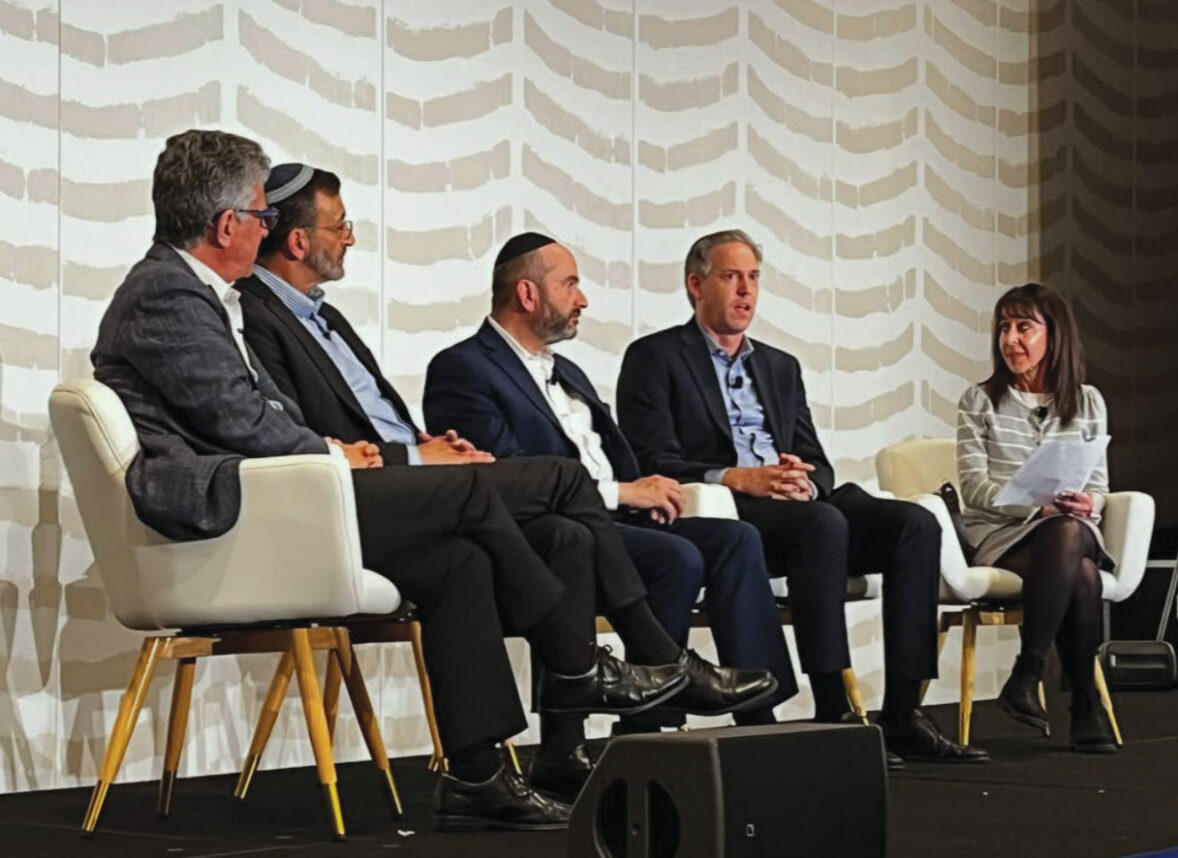
Besides Mendelson, the other speakers were Robin Toma, executive director of the Los Angeles County Human Relations Commission; political science and Chicana/Chicano studies professor Fernando Guerra of Loyola Marymount University (LMU); and FBI Supervisory Special Agent Matthew Coit, who heads the FBI’s Civil Rights Unit in L.A.
Speaking last, Guerra gave Angelenos reason to be hopeful. Citing an LMU survey of 1,203 city residents in January, he said Angelenos tend to view race relations positively, with 77 percent saying that racial and ethnic groups in the city get along. Guerra said the nationwide number is 48 percent, drawing on a similar Pew Research Center poll.