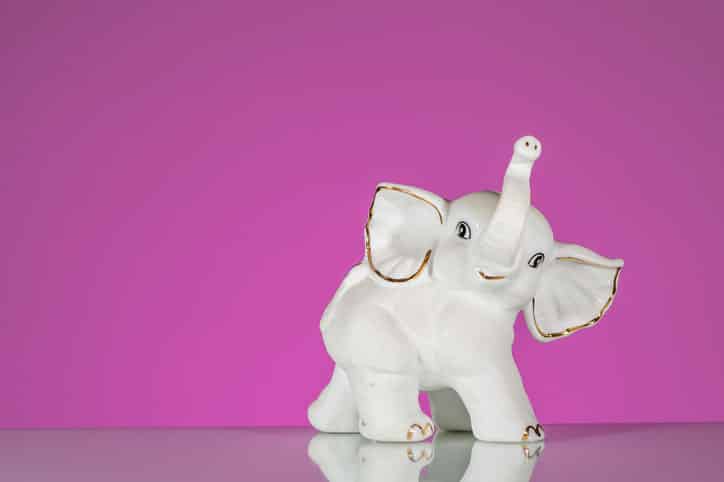
In our extended family, the “White Elephant” game is a fan favorite. The idea is to bring an undesirable gift from home and regift it, eventually leaving with something that is somewhat better than what you came with. As we left the family party, my son said to me, “Mommy, can we play White Elephant at my 7th birthday party?” Clearly, the tradition will continue with the next generation.
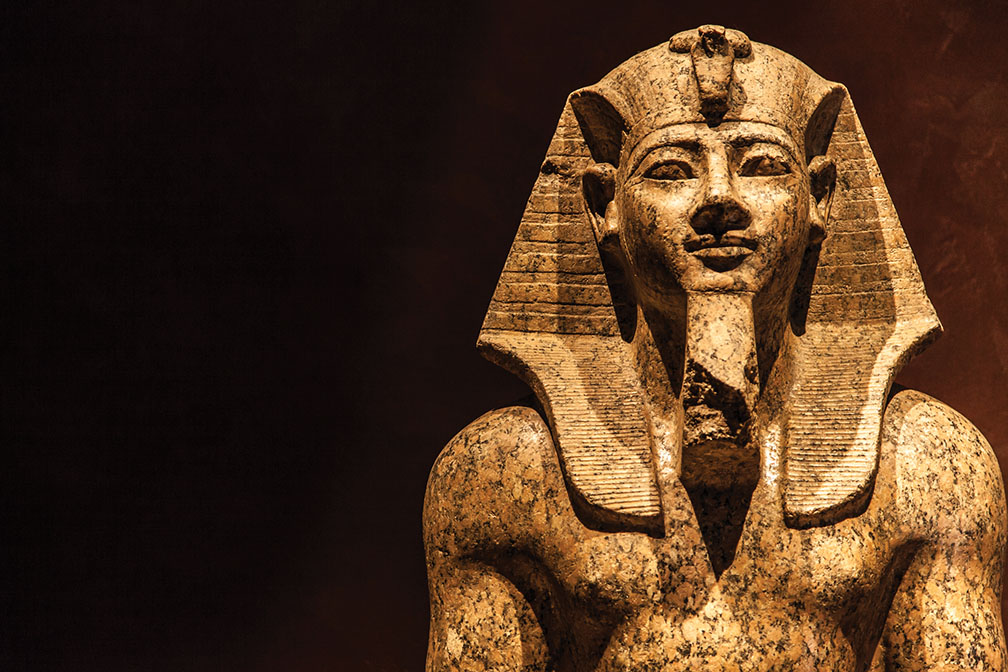
Coincidentally, that same week, The New York Times came out with an article about the history of white elephant games. Supposedly, the King of Siam was intent on punishing one of his courtiers. The king gifted the man a stunning white elephant. Why was it deemed a punishment? Because who can house an elephant? The costs alone would decimate a commoner. But the recipient of the elephant had no choice but smile and pretend to love this horrendously imposing present. A gift giving tradition was born.
Besides the looming animal, I imagine the other imparted gifts were a deep sense of anger or disgust. To give such a gift requires insensitivity. To receive such a gift breeds resentment. A gift exchange of grudge and revenge. Today, the game’s stakes have lessened but the lessons remain. How many of us are stuck in cycles of punitive gift giving? Not physical gifts. But punitive in the offering of insults, sarcasm, slights, and belittlement. Punitive gift giving that is a result of deep jealousy and rooted shame. Mishlei teaches, “Envy is the rotting of the bones.” Each time we sling another slur towards a fellow human being, our bones crumble within.
The season of gift giving is upon us. But a gift we can offer ourselves is the release of a grudge. While it may have felt satisfying to witness someone walking out with an enormous white elephant, it’s hard to say if the king’s anger was abated. Rather, the rot within probably grew and grew.
May we choose to gift each other compassion and benefit of doubt.
And let’s leave those poor white elephants alone.
Shabbat Shalom
Rabbi Nicole Guzik is a rabbi at Sinai Temple. She can be reached at her Facebook page at Rabbi Nicole Guzik or on Instagram @rabbiguzik. For more writings, visit Rabbi Guzik’s blog section from Sinai Temple’s website.