
A dear congregant gifted me a beautiful memoir about her father growing up in Poland during the Shoah. Prior to the onset of the war, her father described the ways in which religious men would frequent the “shtiebel.” He explained that although the shtiebel was a place for prayer, it was also a place where men flocked to schmooze, eat, give and take advice, and listen to each other.
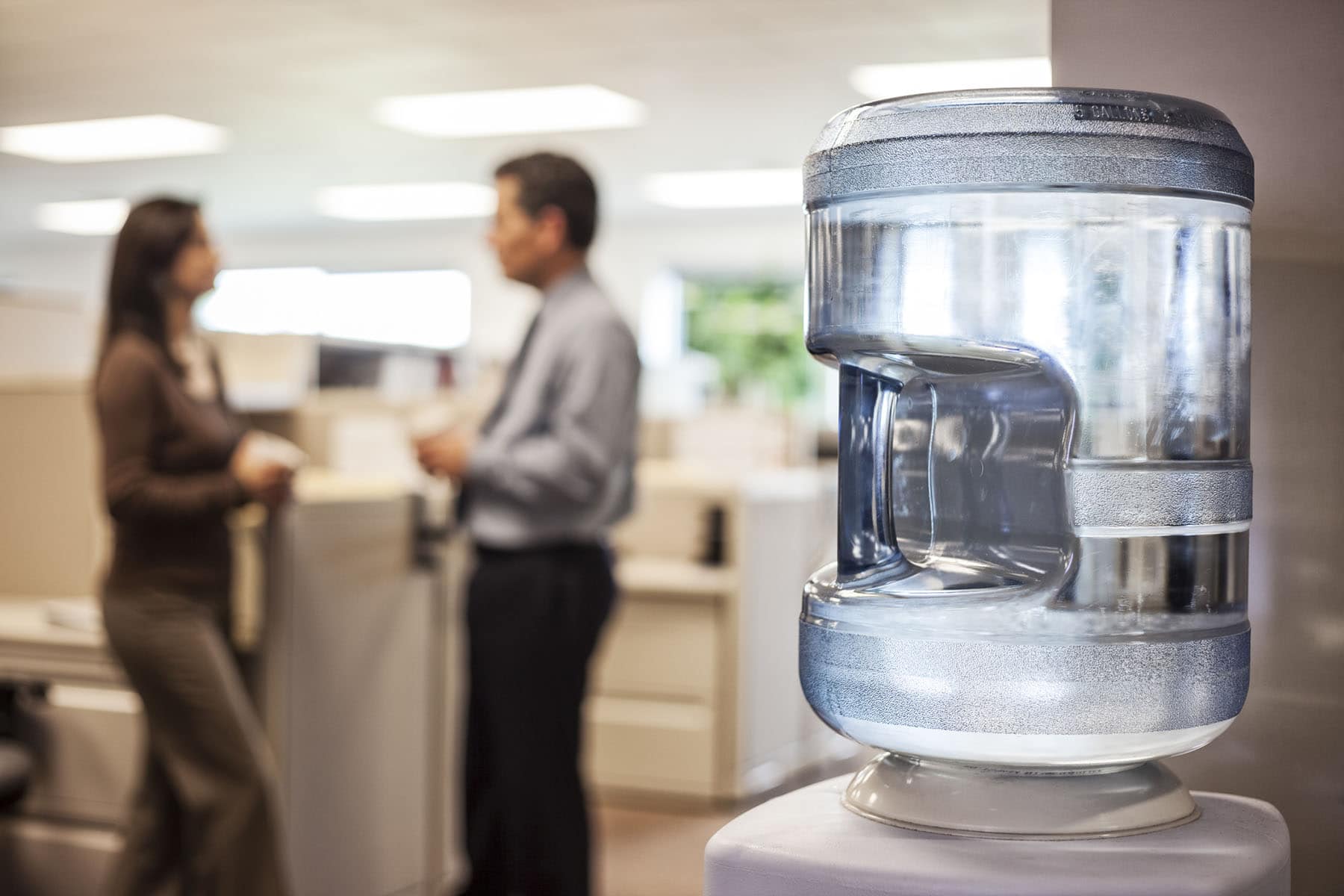
I miss the idea of the shtiebel. In a more mundane sense, I miss the coffee room at work, the lounge or lobby in office buildings, a place where people congregate to just be with each other. The in-person gathering space where people feel seen, heard, recognized, and counted.
While our present-day circumstances may inhibit our congregating in-person, the challenge is figuring out how to recapture a sense of belonging when many feel so incredibly estranged. “Showing up” used to be the big step forward. But zoom fatigue and technological difficulties sometimes impede the desire to turn on the video screen.
Reading about the shtiebel reminded me that in creating new avenues of connecting, we do not need to eliminate others. Meaning, for just one day, what would it look like to step away from the computer and pick up the phone? Or is it possible to send a handwritten letter to someone that we know who especially misses “the place” where they used to feel a sense of comfort?
The evolution of technology has lifted our community in ways we could only imagine. But we must continue to stretch our capacity to reach the other. To uncover and rediscover ways to “catch up,” “check-in,” and feel valued.
Our eyes may be tired from the glare of the screen, but our hearts are wounded in the continued absence of spontaneous human connection. Missing the informal moments where sparks fly, opinions exchange, jokes are offered, and friendships form.
When we feel noticed, we transform into willing, eager partners in the building of a better world.
May the shtiebel moments re-enter our lives. Our lives depend upon it.
Shabbat Shalom