We want to have everything, and we want it better, bigger and more spectacular than everyone else. Gas-guzzlers roam the roads, and our oil dependency forces us to redefine values and ideals, like democracy and freedom. In Las Vegas and Palm Springs, we must have lusciously green golf courses and lawns watered generously, while other areas are pumped dry or threatened with drought. We demand constant availability of fruits and vegetables, regardless of the season.
As the sages write in Pirke Avot: “Greed, desire and arrogance drive people out of this world.” Indeed, if we don’t wake up, these traits will drive the world away from us.
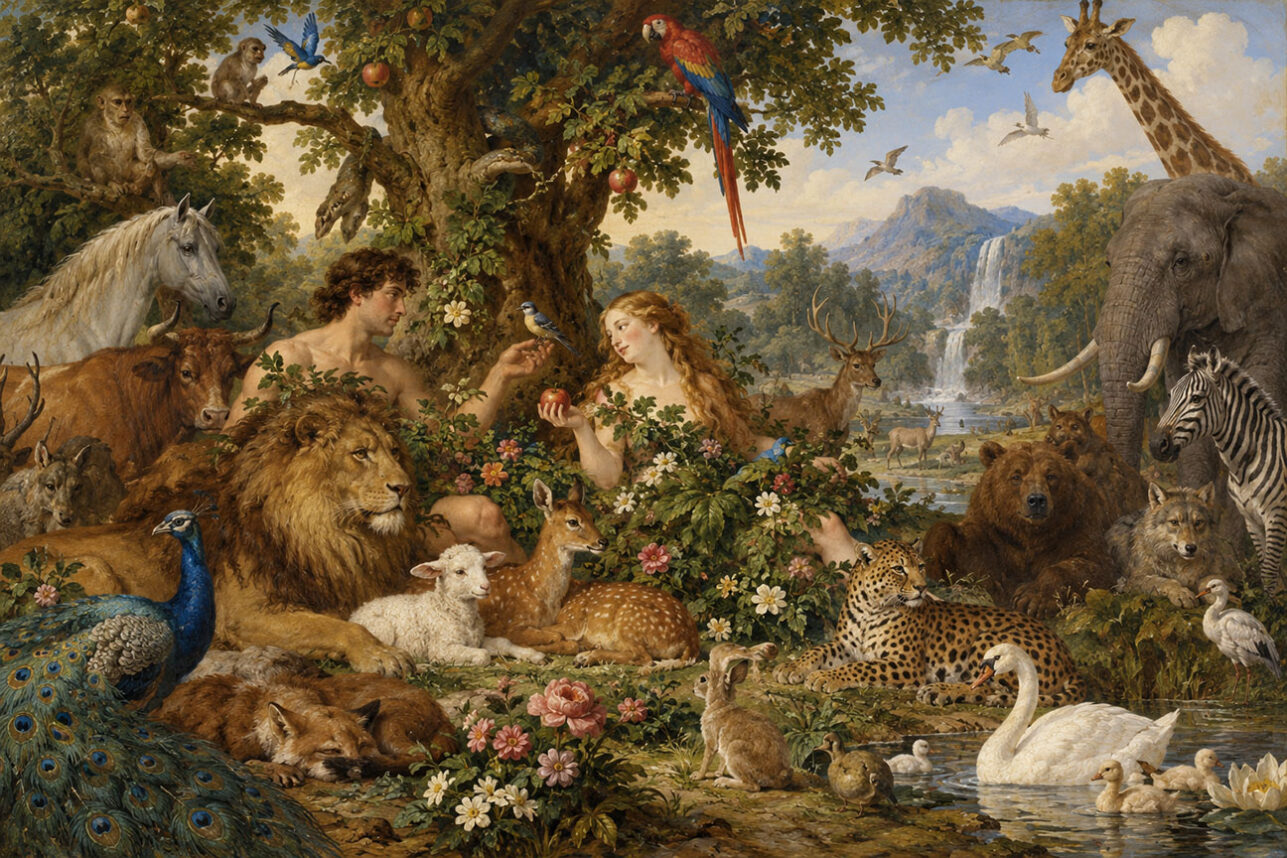
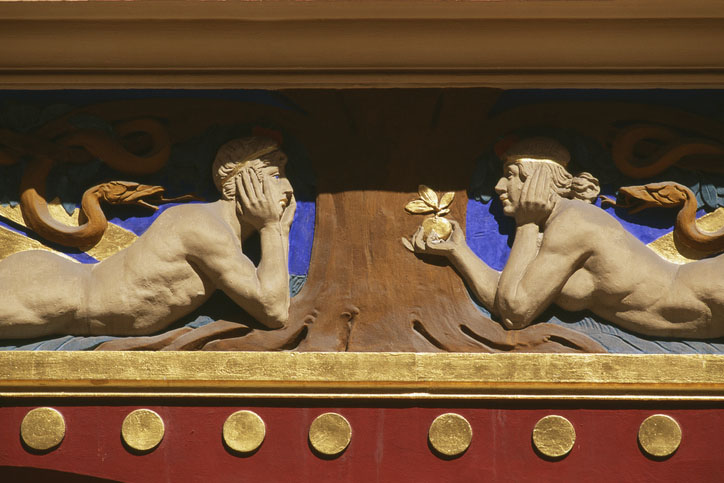
The first role God designated for humankind is the one we most blatantly ignore. When God placed Adam in the Garden of Eden, He ordered him to cultivate and protect the planet. And while we have cultivated the rich soils of planet Earth, in the last couple of decades it is achingly clear that if we do not do our best to keep the second part of the commandment — to guard the planet — we might lose it altogether.
This week’s parsha offers inspiration for re-establishing this much-needed balance. The Torah orders the Israelites to fallow the land every seventh year — the Shemita, or Sabbatical year. During that year, naturally grown crops are divided evenly among the whole population. There are no class differences. Even the animals are not prevented from taking their share. This idea must have been shocking and disturbing to agrarian societies in ancient times, and it is still revolutionary today.
The benefits of the seven-year cycle are immeasurable. First, the land recovers the trace minerals it needs without using ammonium-nitrate-based fertilizers, which endangers the aquatic ecosystems. Second, the social structure is corrected every seven years; the differences between the classes are eroded and a sense of unity and togetherness takes over. Lastly, the seventh year provides an opportunity to stop the insane race for provisions, power and glory. It allows people to reconnect to the precious gifts of their family and their inner self.
After seven cycles of Shemita, or 49 years, the Jubilee is to be celebrated. During the Jubilee year, not only would the land be fallowed but all slaves would be released and all nonresidential properties that were previously sold would return to the original owner.
The Jubilee made sure that there would be no lifetime slaves. Since absolute slavery was prevalent in biblical times, this system was a lesser evil that eventually paved the way to total abolishment of slavery in Judaism, long before slavery was relinquished in the rest of the world.
The Jubilee also guaranteed that shrewd businessmen and moneylenders would not be able to amass huge estates and create feudal societies. Instead, every 50 years, land distribution would go back to the beginning, when each household was granted land according to its size.
As urban dwellers, we are far removed from the daily reality of agrarian life, but the message of Shemita and Jubilee goes beyond the agrarian framework. Early mystics pointed out that the Shabbat, the Shemita and the Jubilee are part of the same seven-stroke cycle that extends to greater, cosmic cycles beyond our comprehension. Tuning in to this cycle, mentally and physically, blesses us with inner calm, with love and caring toward planet Earth and toward all humans. It teaches us the real values in life and pulls us away from greed, desire and arrogance.
And while modern life doesn’t permit many of us to take a sabbatical, we can turn our free time into quality time, helping ourselves and the planet. Spending more time with your kids, eating wisely and educating yourself about organic agriculture, global warming and air and water pollution are good beginnings.
Haim Ovadia is rabbi of Kahal Joseph Congregation, a Sephardic congregation in West Los Angeles. He can be reached at haimovadia@hotmail.com.