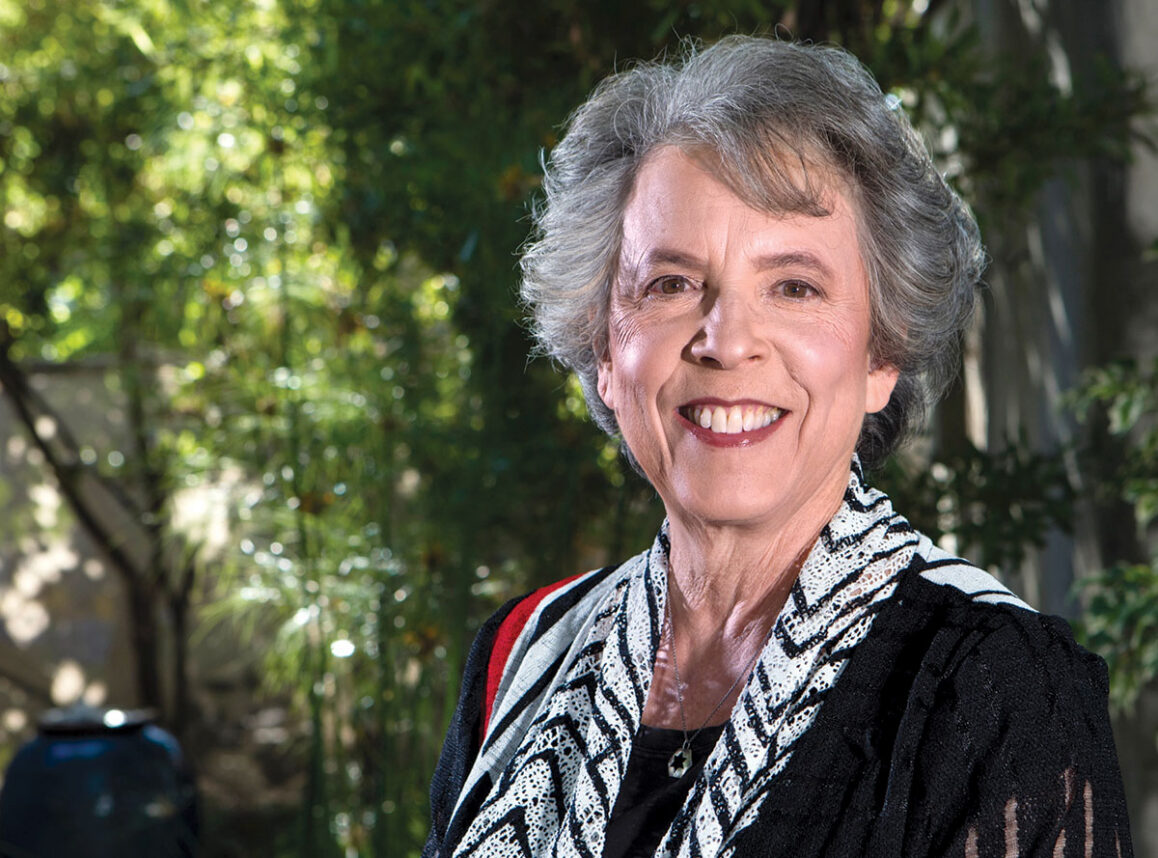
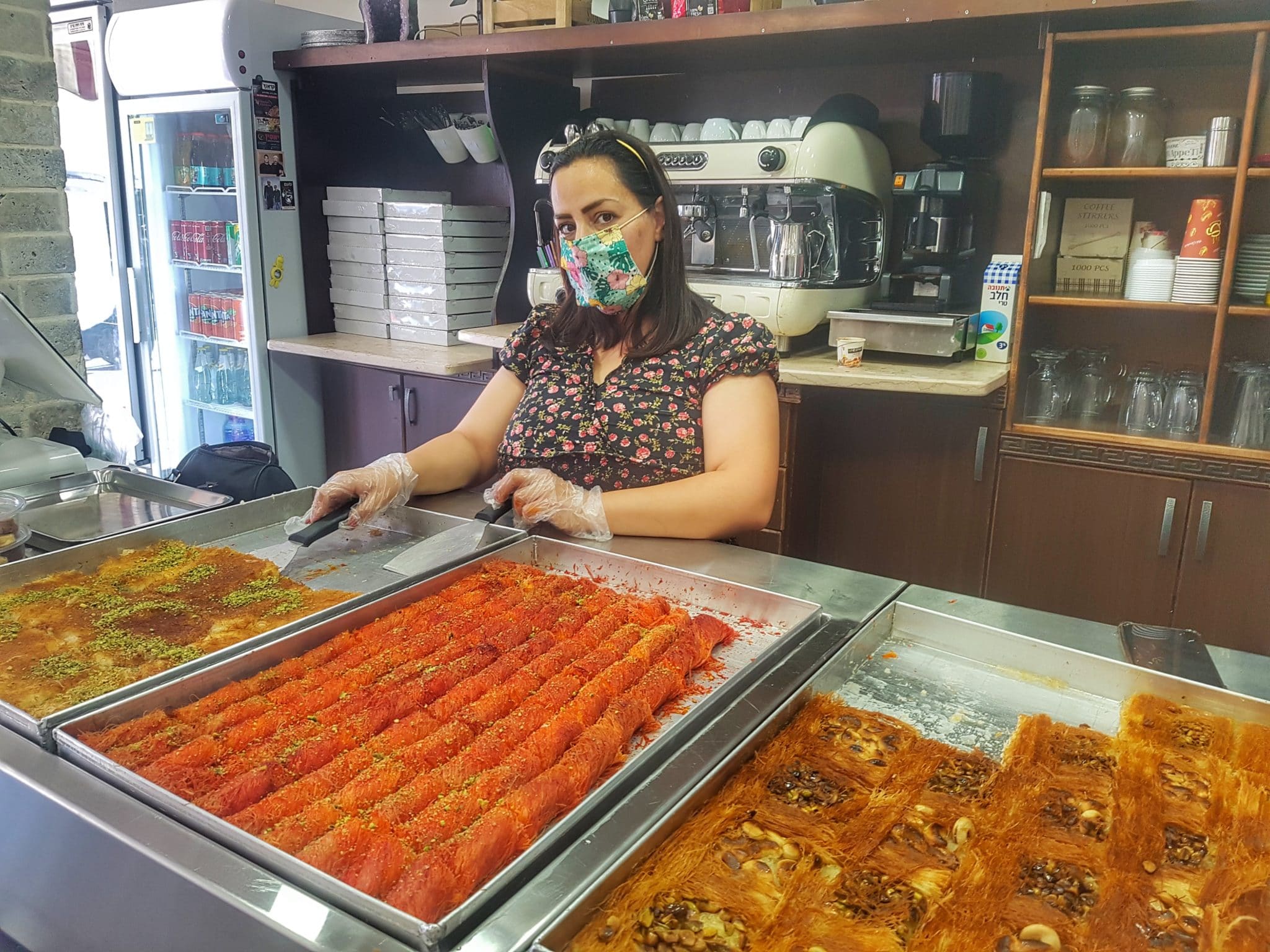
It’s Safaa Saba’s last day at her knafeh business, and the end of her career as a knafeh maker (knafeh is a Middle Eastern sweet cheese pastry). Saba is a Druze woman whose community has a history of knafeh recipes being passed down through the generations with as much solemnity and secrecy as the religion itself.
Saba is leaving to become a full-time cosmetician. “It’s been my dream for 13 years,” the 34-year-old said. “Everything I’ve done has always been about eating, eating, eating. Finally, I’ll do something that doesn’t involve food.”
For now, though, she’s baking nonstop in honor of the upcoming Eid-al-Adha festival, spreading handfuls of the skinny semolina threads on a shallow dish and topping it with lumps of white brine cheese. Eid-al-Adha is the only festival that Druze and Muslims share, commemorating Abraham’s sacrifice of his son Ishmael. Some Muslims fast on Eid-al-Adha. The 10 days before Eid in the Druze tradition are referred to as the “nights of Ashour” and are seen as a time for meditation and contemplation.
Saba lives in Daliyat-al-Karmel, the southernmost Druze community — and the largest in Israel — nestled in the Carmel mountains. The 1 million adherents of this tiny religion, an 11th-century offshoot of Shiiite Islam, live mostly in Lebanon and Syria. The belief system is shrouded in mystery. Even Saba cannot explain it. She is secular, or in Druze terms, al-Juhhāl, and therefore not privy to the secrets revealed only to ʿuqqāl, those initiated in the holy books. But recently, whispers in the village about end times have been getting louder. Strange happenings occurring at the pyramids in Giza, unexplained noises, even a hushed reference to dinosaurs, may herald the return of the prophets, those whispers say. Or perhaps of Al-Hakim bi-Amr Allah, a central figure in the religion who is viewed as a divine incarnation and who will march from China to conquer the world. It is hard to follow what Saba is saying at times, and when I turn to Google for help, she laughs. “You won’t find anything there,” she said. “There is great excitement in our village. Look, I have chills just telling you these secrets.”
“Everything I’ve done has always been about eating, eating, eating. Finally, I’ll do something that doesn’t involve food.”
Saba’s parents are more devout. Her mother wears the white veil of theʿuqqāl. But apart from a gentle scold if her neckline is too low, they have never forced her to observe the religious requirements. “My parents always let me know that it was my choice,” she said. She has much respect for the religion and says that in another life, she would’ve been more observant. “But my husband doesn’t want to. He smokes,” which is forbidden, she said, adding, “With us, it’s all or nothing.”
Saba met her husband 13 years ago. They dated for four years because they had to wait for his older brothers to marry first. Their dating was conditioned on strict 9 p.m. curfews, she said. When they were first married, Saba and her husband held a contest to see who made the better knafeh. Saba’s voice is laced with pride when she says that by all accounts, on both sides of the family, her knafeh was tastier.
She has never left Israel and insists that she has no desire to except under one condition: “If I can open my own knafeh business overseas, I’ll go.”