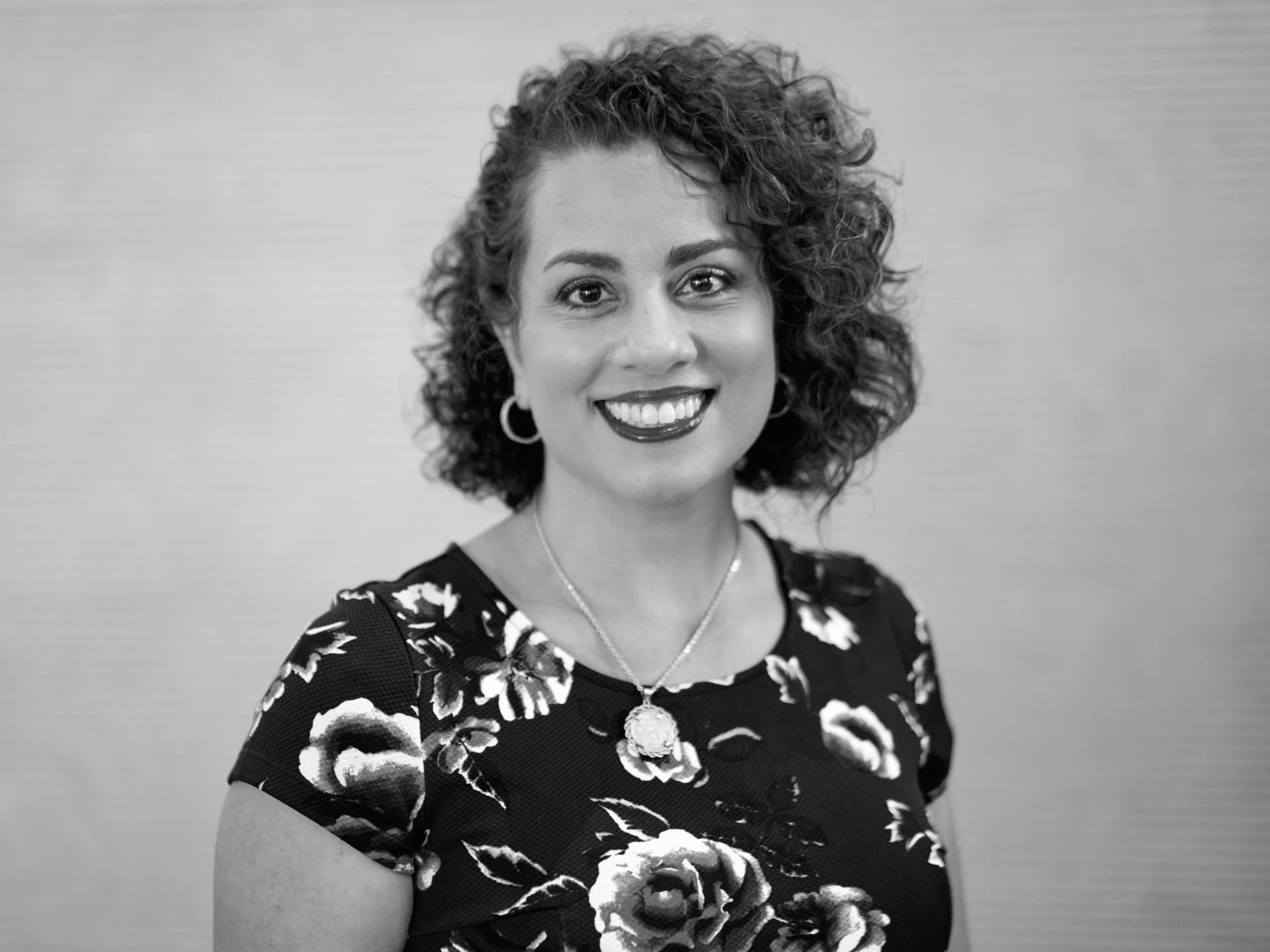

Fourteen years ago, during the Second Intifada, Caroline Schuhl Schattner of Toulouse, France, felt the time had come to realize her Zionist dream. Frustrated with French news media coverage that made Israel out to be the aggressor during the prolonged uprising, she moved to Israel intent on becoming an actor in Israeli history, not a bystander.
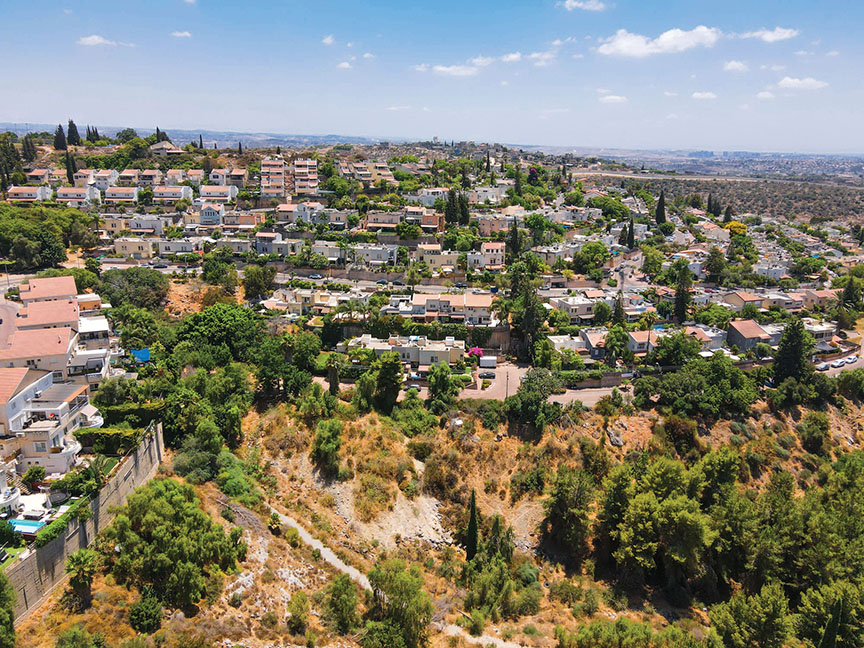
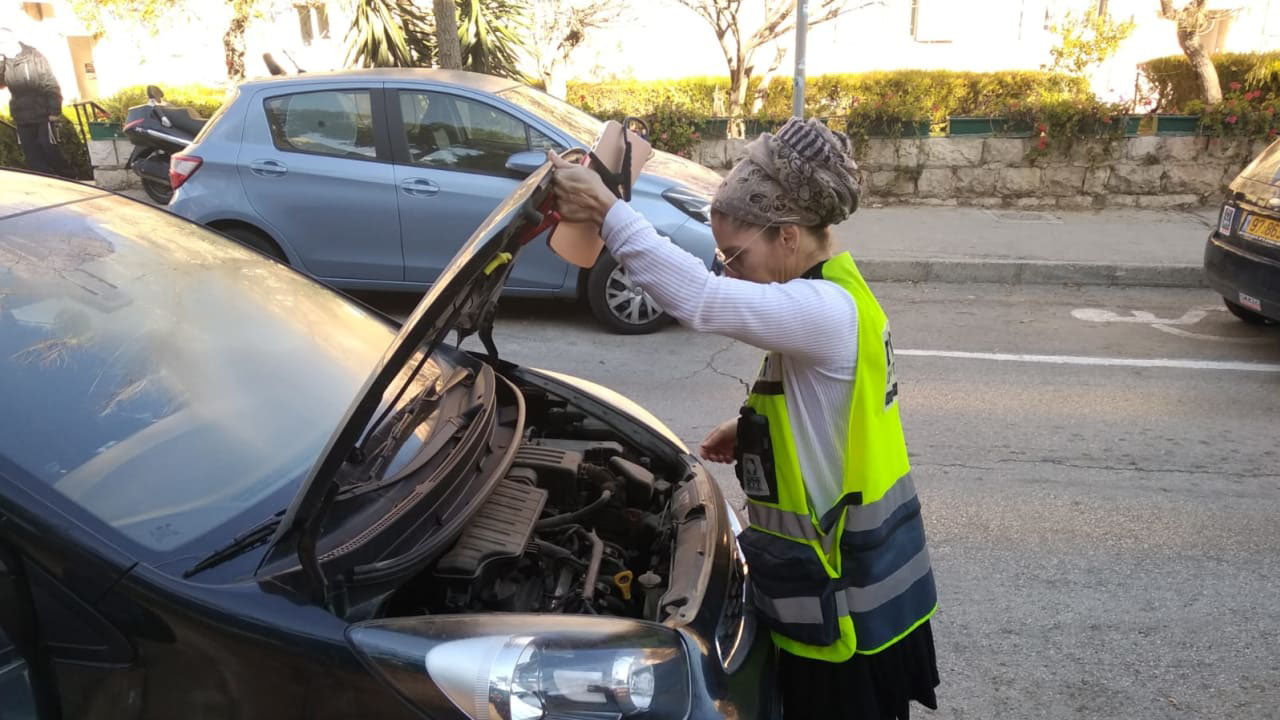
Schuhl Schattner enlisted in the Israel Defense Forces and joined a combat rescue unit. Today, at the age of 34, with a master’s degree in linguistics, a husband and three children, she lives in Efrat, a largely Modern Orthodox town in the Gush Etzion settlement bloc south of Jerusalem, where she continues to work at making peace.
Every two weeks she hosts informal meetings in her home between Palestinians and Israeli settlers living in and around Gush Etzion, a flashpoint in 2015-16 for what is sometimes known as the “Knife Intifada,” a period when Palestinians regularly stabbed, shot and ran over random Israelis in the streets.
Schuhl Schattner believes that many Palestinians reject such violence, and she is determined to get Israeli Jews to know them, and for them to get to know Israeli Jews.
“I saw that Jews and Arabs live in the region and I see how they see each other — in business, at the shopping center — but they don’t know each other,” Schuhl Schattner said in phone interview from her home in Efrat. “Even though they meet via commerce, Jews have a stereotypical view of Arabs and Arabs have a stereotypical view of Jews. I thought that it’s a shame. We all live here, and we’ll all continue to live here.”
Schuhl Schattner was recently appointed project manager for olim [immigrants] at the Gush Etzion Regional Council. Her work with Palestinians is her personal initiative that she began a year ago.
Recently, she led a joint Israeli-Palestinian olive harvest in the village of Kfar Hussan.
“Most of the Palestinians, they’re people who want to live well — that’s what’s important to them,” she said. “And part of the good and simple life is to live in harmony with the Jews. Many of them don’t have extreme political views. If you succeed in having Jews and Palestinians meet each other, and the Palestinian sees the Jew is not the enemy, he’ll break out of his stereotypical view, and vice versa.”
The joint harvest produced a Facebook friendship between a young Israeli and a Palestinian, who are not allowed by Palestinian law to meet in person. Palestinians must receive permission from Israeli authorities to enter Israeli towns, but the Palestinian Authority can imprison Palestinians who interact socially with Israelis.
“Part of the good and simple life [for most of these Palestinians] is to live in harmony with the Jews.” — Caroline Schuhl Schattner
These days, about 20 to 30 people meet in Schuhl Schattner’s home for coffee, cookies, cake and conversations about topics that are generally taboo at the table: religion and politics. At the meetings, Palestinians often relay their frustrations with living under IDF controls that limit their freedom of movement, while Israelis express their fear of the terrorism and violence that make such security measures necessary. But participants from both groups generally agree that the Palestinian Authority doesn’t have the Palestinians’ best interests at heart — it seeks to thwart attempts at normalization in Israeli-Palestinian relations, and it feeds off conflict.
Schuhl Schattner said some of her friends and neighbors have been skeptical about her efforts, but she remains undeterred, encouraged by the story of one of her Palestinian friends whose brother was released from prison 10 years ago after serving a term for terrorist activity. After the friend introduced his brother to his Jewish friends, the brother’s hatred of Israel and Jews faded.
“I don’t care how much hate you instill in someone’s head,” Schuhl Schattner said. “If you have a good meeting, that’s what stays.”