fbpx

January 3, 2018

Obituaries: Week of January 5, 2018

Deborah Arian died Dec. 15 at 88. Survived by daughter Lisa (Larry Pollack) Arian; sons Hugh (Melissa), Lee (Nora); 6 grandchildren; 1 great-grandchild; brother Jack (Sandy) Soll. Mount Sinai

Bernard Aronson died Dec. 8 at 81. Survived by wife Marilyn; daughter Leslie Munoz; sons Bruce (Debbie), David (Victoria); 8 grandchildren; 2 great-grandchildren. Groman Eden

Annette Corn died Dec. 9 at 85. Survived by husband Joseph; daughter Marcia (Dana) Williams; son Robert (Deb Love); 4 grandchildren; 1 great-grandchild. Mount Sinai

Hilda Eisen died Nov. 22 at 100. Survived by daughters Frances Miller, Ruth, Mary Cramer; 8 grandchildren; 7 great-grandchildren. Chevra Kadisha

Joyce Irene Eliasoff died Nov. 16 at 88. Survived by daughter Susan (Ben) Fields; son Mark; 2 grandchildren. Groman Eden

Dorothy Essick died Dec. 13 at 93. Survived by husband Samuel C.; daughter Irma (Benny) Sommerfeld; sons Robert, Eric, Paul; 3 grandchildren; sister Alice Cantor. Mount Sinai

Howard Gottfried died Dec. 8 at 94. Survived by wife Mary Lynn; daughters Norah (Brian) Weinstein, Elizabeth (Stephane) Colling; 4 grandchildren. Hillside

Peppa Kahane died Dec. 6 at 93. Survived by son, Stephen (Janet Wells Kahane); 4 grandchildren; 2 great-grandchildren; son-in-law Mark Baskin. Mount Sinai

Irving Kay died Dec. 5 at 93. Survived by daughters Barbara (David) Sato, Shirley; son Jack (Susan); 6 grandchildren. Mount Sinai

Melvin Malat died Dec. 6 at 83. Survived by wife Marsha Cohen-Malat; daughters Wendy Weiss, Marcie (Brandon) Berry, Michelle (Brian) Good; brother Jerry (Diana); 4 grandchildren. Hillside

Sylvia Miller died Dec. 9 at 92. Survived by daughter Judith (Randall) Joyce; sons Jonathan (Penny), Ross (Eva), Donald (Amy); 8 grandchildren. Mount Sinai

Marcia Mirkin died Dec. 8 at 83. Survived by daughters Judith (David), Karen Cohen; sons Stephen (Elaine), Philip; 3 grandchildren. Mount Sinai

Lawrence Porton died Dec. 6 at 81. Survived by wife Rosalind; daughter Deborah; son Aaron (Jackie); 2 grandchildren; brother-in-law Gilbert (Janice) Ross. Mount Sinai

Marvin Reshew died Dec. 13 at 82. Survived by daughter Andrea (Michael) Tuso; sons Edward (Debbie), Fredric; 6 grandchildren; sister Caroline Eisenberg. Mount Sinai

Elaine Reynoso died Dec. 12 at 83. Survived by husband Cruz; daughter Hali (Andy Bale) Rowen; son Dean Rowen; daughter-in-law Laudon Rowen; brother Herbert Weiner. Mount Sinai

Bella Riff died Dec. 12 at 98. Survived by son Harvey; daughter-in-law Elaine Berman; 2 grandchildren; sister Sheilah Zweier. Mount Sinai

Morton Rosen died Dec. 7 at 81. Survived by wife Wendy Zwillinger; sons Zeffrin, Zachary (Danielle); 3 grandchildren. Hillside

David Rosenbaum died Dec. 11 at 62. Survived by sons Adam, Daniel; sister Judy Witt. Mount Sinai

Kitty Rozdial died Dec. 8 at 69. Survived by husband Robert Rozdial; son Daniel (Dawn) Rozdial; daughter Michelle (Daniel) Schnider; 4 grandchildren. Mount Sinai

Mitchell Schoen died Dec. 14 at 62. Survived by husband Tim Williams; mother Lucille; father Herman; sister Natalie; brother Robert. Mount Sinai

Donald Schoenfeld died Dec. 6 at 96. Survived by wife Gertrude; sons Michael Jay, Kenneth, Lawrence (Carol Sue); 3 grandchildren. Mount Sinai

Louis Jacob Schwab died Dec. 12 at 87. Survived by daughters Cheryl (Steven) Kotlowitz, Janice (Kelly) Lane; son Ronald; 8 grandchildren; 2 great-grandchildren. Mount Sinai

Herman Season died Dec. 11 at 93. Survived by daughter Barbara (Mike); son Ronald Mark (Cindy); 3 grandchildren. Mount Sinai

Russell Singer died Dec. 7 at 52. Survived by wife Lois; daughter Bailey; son Ryan; mother Barbara Gould; father Marvin; brothers Ronald, David; brother-in-law Mike Stein. Hillside

Frances Weiss died Dec. 7 at 101. Survived by daughters Barbara Sugarman, Bonnie Payne; 2 grandchildren; 3 great-grandchildren. Mount Sinai

Gerald Weisstein died Dec. 8 at 78. Survived by wife Wendy Wiggins-Weisstein; son Jason; 2 grandchildren. Hillside

Molly Winkler died Dec. 15 at 85. Survived by husband Bruno; daughter Sheri (James); son Alan; 4 grandchildren. Mount Sinai

Mireille Wolfe died Dec. 9 at 75. Survived by husband Barry; daughters Rebeka Bieber, Lisa; sons Erik Bieber, Lee; 5 grandchildren. Mount Sinai

Paul Woods died Dec. 12 at 97. Survived by daughters Terry Karsh, Joan (Mark) Simon, Patti (Marshall) Goldberg; 7 grandchildren; 4 great-grandchildren; sisters Esther Jaeckal, Evelyn Litwin, Shirley Pearlin. Mount Sinai 

Obituaries: Week of January 5, 2018 Read More »

Letters to the Editor: Survivor Story, Taxes, Jerusalem and Linda Sarsour

Inspired to Share Her Own Survivor Story

I was quite moved by Jane Ulman’s story on Mina Wilner (“Mina Wilner: Saved by a ‘Remarkable Woman,’ ” Nov. 3).  I was first attracted to the photo — it looked vaguely familiar, a bit of my own face. I was born in Warsaw and lived in Poland for 18 years. I am a bit younger. I was actually born in the Warsaw ghetto.

After my mother perished there, my father was trying to think how to save me. At about 15 months old, I was tiny, severely undernourished. He wrapped me in an old blanket and packing paper and threw me over the ghetto wall.  Yes, he did have some contacts on the outside and there were a number of people who promised to deliver me to Brwinow, not too far from Warsaw, where the Ursuline nuns were running an orphanage — but not for Jewish children, as far as I know. For a very long time, my father didn’t know if people did come to pick me up, get me on several trains, though the distance was small. My guardian angel must have been close on that night. I did survive (and my father took part in the Warsaw Insurrection with other surviving Ghetto Fighters.) The Ursuline nuns have a tree in Vad Yashem now.

Anne P. Warman via email


Don’t Forget What Paying Taxes Gets You

Even assuming that everyone receives some temporary benefit from the GOP tax bill, we see little attention given to the reason we pay taxes in the first place. The pursuit of happiness our Founding Fathers promised us means that we have access to health care, education, public safety and the myriad benefits of living in a democracy. Despite President Donald Trump’s claim that we are the most highly taxed nation, in fact we rank 33rd out of 35 developed nations in the percentage of taxes we pay.

Americans need to connect the amount of taxes we pay to the public services we have learned to expect.

Oliver Wendell Holmes famously said, “Taxes are the price of civilization.” The Republican bill will further eliminate funding for the institutions and programs that provide what Americans most treasure. I’ll continue to hate paying my taxes but I want to continue to enjoy what they support.

Barbara H. Bergen, Los Angeles


‘Judaism and Jedi-ism’

In his column (“Judaism and Jedi-ism,” Dec. 22), Eli Fink equates the burning of the Jedi temple with the burning of the Second Temple in Jerusalem. However, Yoda, in saying the books [of Jedi wisdom] were unimportant, was more like the Christians who eliminated the need to follow all the Jewish laws. Rey is more like Yohanan ben Zakkai, who started a school in Yavneh. He saved the books.

After all, we are the people of the book.

Carol Levine via email

FROM FACEBOOK …

I absolutely agree with your take. Judaism is moving to a decentralized model. What that will look like, who knows? But I suspect Mussar and personal ethics may be part of the answer. Thanks for writing.

Greg Marcus

I loved this! I’ve seen the movie [“Star Wars: The Last Jedi”] five times and found so many incredible themes.

Christy Marshall


‘A Diaspora Is Born in Nebraska,’ Dec. 22:

I am happy that [the Yazidis] are safe and sound, and sad that in order to achieve this, they had to leave the land of their birth. Welcome!

Rosalie Paul


‘Why a Jewish Hospital Has a Christmas Concert,’ Dec. 22:

“I have a little problem with a Jewish hospital, Cedars-Sinai Medical Center, serving its patients and employees with a Christmas concert, but this story’s writer, Rabbi Jason Weiner, speaking as a rabbi, is just wrong about what Judaism asks of us.

Saying, “Honoring other faith traditions is an integral part of what it means to be a Jewish hospital” is ridiculous. Allowing them the right to worship as they please is one thing, but “honoring”? His statement is a brilliant political move, but that is what it is: politics. Celebrating (or should I say, “honoring”) others’ religions is specifically forbidden repeatedly by the Torah.

Gideon Jones

Music brings joy to one’s heart and I see nothing wrong with that. Perhaps if we shared more music with our fellow man, it would be a better world.

Joan Feldmann

Great story! Rabbi Weiner, whom I have had the pleasure to meet, has both warmth and an unassuming manner (humility), which comes across when you speak with him. Both the hospital and the community are lucky to have him. This article reflects that.

Tzvi Binn


‘My Reform Colleagues Were Wrong on Jerusalem,’ Dec. 22:

I can’t help but wonder what the response would have been if former President Barack Obama had declared the embassy will be moved to Jerusalem.

Dotty Weisberg

Actually, and with all due respect, I believe the original response of the North American Reform organizations to President Donald Trump’s declaration on Jerusalem was the correct response to make. In the absence of any final status peace agreement between Israel and Palestine, openly supporting Trump’s politically and manipulatively motivated statement (which he made primarily to appease and shore up his support among many right-wing, Christian evangelical supporters) would have been the wrong approach for these Reform organizations to take.

Craig Mankin


‘Jerusalem Move Blows Up Mideast Myths,’ Dec. 22:

Why do we always seem to forget the 1956 Suez campaign? Is it because part of the reason was that the British and French were trying to restore colonial control of the Suez Canal? Israel, on the other hand, was threatened and attacked by the same kind of fedayeen raids that were part of the cause for the 1967 war as well as conventional Egyptian forces on her borders.

John Fishel

This mantra is useless. Rational people don’t buy this nonsense. For a peaceful future, there is one solution: a shared capital, east for Palestine, west for Israel.

Wahid Awad


‘On Goddesses, Doormats and Linda Sarsour,’ Dec. 22:

It’s kind of amazing how ideologically polarized we’ve become. When people are questioning an incident that calls out some of the horrible management practices — covering up sexual assault in the workplace — of one of the most vocal anti-Semites in America today, in a Jewish magazine nonetheless, and people don’t believe it because it was first reported by a conservative news site, we really have lost our common consensus on the basis of reality and politics has trumped Judaism.

Pamela Fleischmann

Letters to the Editor: Survivor Story, Taxes, Jerusalem and Linda Sarsour Read More »

Excerpt from ‘Miss Burma’

Benny wanted to say something then, to ask a question that he couldn’t quite bring to the forefront of his mind. But something about his friend’s eyes, about their persistent sadness, told him to hold his tongue, to still his brain. Saw Lay was five or six years older than Benny, nearing thirty, and whatever he’d been going through recently had aged him significantly. Watching him — the way he sat with one knee bent, his serious eyes, the sheen of perspiration on his forehead — Benny thought, He’s passed out of his youth at the very moment that his dignity is deepening. And he realized, with a warm wave of feeling flooding his chest, that he’d never loved a man as he did Saw Lay. It seemed to him that his friend was largely above human concerns, above even the primary concern to fight first for one’s own life.

“Let me ask you a question,” Benny said, surprising himself. “If a person should want to become a Jew, the process is really very circumscribed — certain guidelines must be followed, certain steps.”

READ MORE: Charmaine Craig Ponders Her Mixed Jewish and Karen Heritage in ‘Miss Burma’

Saw Lay turned to him now with a certain flat caution, a hint of something like defensiveness in his eyes.

“If one wanted to become a Christian,” Benny went on, bumbling, “well, there is baptism.”

“And?” Saw Lay said.

“And — ” Benny rushed on, afraid his friend might be misunderstanding him — the question of faith wasn’t actually on his mind. “If one wanted to become Karen — say, if one wanted to take on a Karen identity, how would one go about it?”

Now Saw Lay looked at him in plain astonishment.

“Would that even be possible?” Benny asked.

“To become Karen?”

“Yes.”

READ MORE: ‘Miss Burma’ Is All Too Relevant to Myanmar’s Modern Violence

The question seemed to hang suspended over Saw Lay’s widening features. Then all at once those features contracted, and he broke out in a fit of full-bellied laughter that sent him falling back onto the dusty bank. Benny had never seen him so stripped of the armor of his poise. “As if anyone would want to become a Karen!” Saw Lay heaved, barely getting out the words. “As if anyone would willingly …” He looked so foolish, Benny couldn’t help laughing along with him, first in reluctant spurts, and then fully, relievingly, half sobbing as he fell back beside his friend and they laughed together, laughed until all their laughter was spent, and they lay smiling side by side.

“It’s the simplest thing in the world, my friend,” Saw Lay said finally. Benny heard him inhale the night, then release himself back into it. “All you have to do is want to be one.”

Excerpted from “Miss Burma” © 2017 by Charmaine Craig. Reprinted with the permission of the publisher, Grove Press, an imprint of Grove Atlantic, Inc. All rights reserved.

Excerpt from ‘Miss Burma’ Read More »

‘Miss Burma’ Is All Too Relevant to Myanmar’s Modern Violence

For the entire 15 years that Charmaine Craig was writing “Miss Burma,” tensions seethed between the Burmese majority and the ethnic minorities that make up Myanmar. It is a dark coincidence that as she published the book last year, those tensions were boiling over into appalling displays of violence against the ethnic Rohingya in western Myanmar. Set within its current political context, “Miss Burma” (Grove Press) can be read as a textbook on the plight of Myanmar’s ethnic minorities, told by a daughter of that dark history.

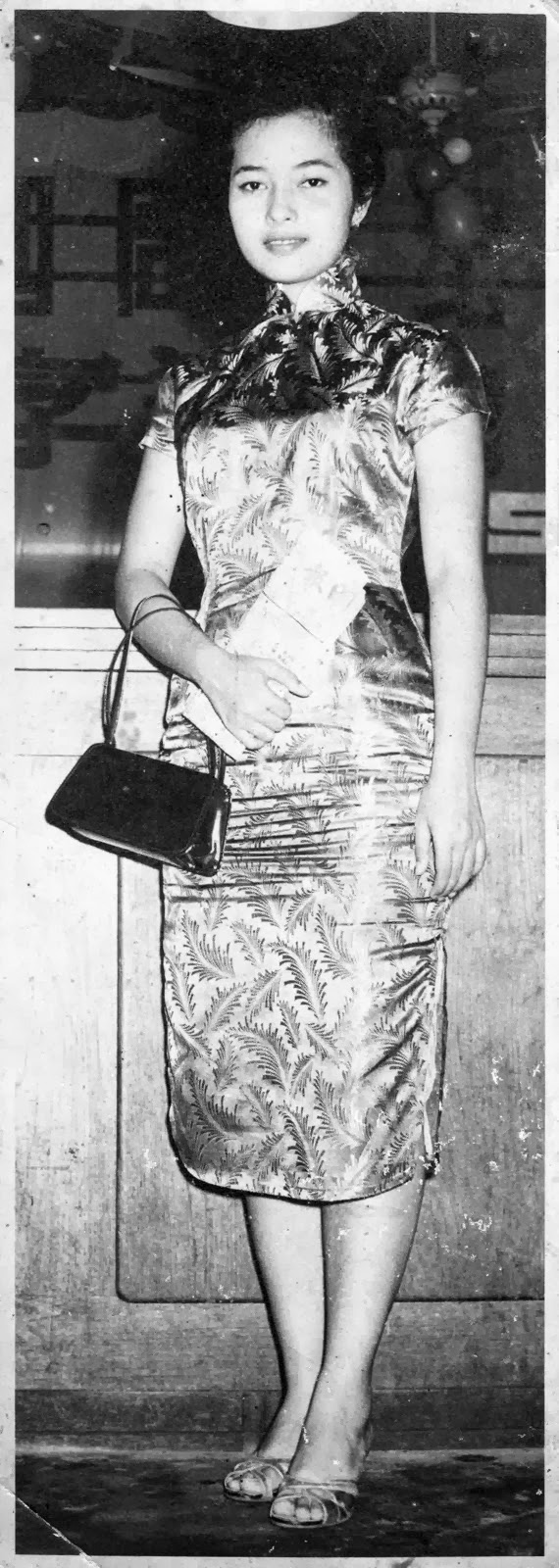
The book opens on Craig’s fictionalized version of her mother, Louisa, striding onto the stage at the 1956 Miss Burma pageant, adeptly wielding the beauty that is at once her weapon and her prison. “How strange to be dubbed ‘the image of unity and integration,’ when she has wanted only to go unremarked — she, the mixed breed, who is embarrassed by mention of beauty and race,” Craig writes.

Told through the eyes of her grandmother and grandfather — respectively, a member of the indigenous Karen people and a Burmese Jew of Indian and Sephardic descent — as well as her mother, “Miss Burma” fuses the political and personal, demonstrating through deep characterization and intense background research how othering and exclusion are precursors for violence and exile.

READ MORE: Charmaine Craig Ponders Her Mixed Jewish and Karen Heritage in ‘Miss Burma’

Like the Rohingya, who presently face ethnic cleansing at the hands of the Myanmar Army, Craig’s Karen forebears have long been made to exist at the fringe of the country once known as Burma. “Miss Burma” brings to life not only the means and causes of their persecution, but its devastating personal impacts.

After raising the curtain on Louisa, the story starts in earnest with Louisa’s father, Benny, the descendant of rabbis in the Burmese capital of Rangoon. Orphaned young and taken in by his aunts, his quarrelsome behavior soon lands young Benny in an Anglican boarding school. Later, while working as an English customs officer in the port city of Akyab, he spots Khin, a raven-haired provincial beauty, on a busy dock. He decides on the spot to marry her. Her assent lends Benny the belonging he lacks, as her community unquestioningly takes him in. But it also ensnares him in the Karen revolutionary struggle, introducing him to a different kind of estrangement: an alienation from his country and government.

Can nationalism be both the cause of genocide and its answer?

In an interview, Craig admitted that “a lot of failure and, even, you might say, prayer” had to take place before she was able to bring her ancestors to life. The personal anguish it took for Craig to write the book manifests in her characters, whose internal contradictions and tortured inertia give them depth and verisimilitude. Moreover, her painstaking efforts to set the characters accurately within their physical and historical context lends the book a rare richness and ambitious scope.

Louisa Benson Craig as Miss Burma, a title she won in 1956. Photo courtesy of Charmaine Craig.

The systemic rape, murder and dispossession of the already-impoverish Rohingya in recent months is not a new phenomenon, historically speaking, but it lends a feverish importance to Craig’s work. Whether she intended it or not, the novel demonstrates how racial othering is the foundation on which exile, genocide and dispossession are built — and is all too relevant to the present situation.

Crucially though, the book shies from prescribing antidotes to these ills. Throughout, Craig skillfully resists the temptation toward a full-throated endorsement of Karen nationalism. Instead, she attempts to “trouble the question” of whether national revolution is the answer to persecution, she said.

“It was important for me to have characters who didn’t stand for a fixed idea, or whose initial ideas about, let’s say, ethnic nationalism were troubled by the history they continued to confront,” she said.

READ AN EXCERPT: ‘Miss Burma’

It may go without saying that questions of ethnic nationalism bear as much on Craig’s Jewish ancestry as her Karen parentage. In the 20th century, the Jewish people endorsed nationhood as a response to the mechanized mass slaughter of one-third of its population. But that choice is haunted by the German nationalism that fueled the Holocaust. Can nationalism be both the cause of genocide and its answer?

Craig’s novel provides no solution to this paradox — it doesn’t set out to — but if it raises the question in peoples’ minds, and points them to modern Myanmar as a place to focus their pondering and attention, then, at least from a political perspective, it will have been a success.

‘Miss Burma’ Is All Too Relevant to Myanmar’s Modern Violence Read More »

Charmaine Craig Ponders Her Mixed Jewish and Karen Heritage in ‘Miss Burma’

Going to high school at Marlborough School in Hancock Park, Charmaine Craig felt the weight of her unusual Southeast Asian heritage, coming from an ancient people called the Karens who resided in the jungle valleys of what was then called Burma.

Her mixed-race background — Karen, Jewish and white — meant other students often asked her what she was. When she answered that she was Karen, they corrected her, “You mean Korean.”

The question of belonging is as central a focus of her new book, “Miss Burma,” as it was during her childhood. The novel traces her mother’s upbringing in the country now known as Myanmar. Louisa Benson Craig was born in 1941 to a Jewish father and a Karen mother, and became a national beauty queen in 1956. Her beauty was exploited in the name of national unity, but she later fought back, becoming a rebel leader in the Karen revolutionary struggle.

READ MORE: ‘Miss Burma’ Is All Too Relevant to Myanmar’s Modern Violence

While Charmaine Craig was growing up in Santa Monica, her mother longed to return to her homeland in spite of the bounty put on her head by the government. She struggled with the scars of her past; as a kid, her daughter sometimes would find Louisa hiding under a table. Now the author has opened those wounds — her mother’s and her own — for the sake of examining Myanmar’s complicated and troubling ethnic history.

Craig, a professor of creative writing at UC Riverside, recently sat down for an interview in the backyard of her Craftsman home in West Adams.

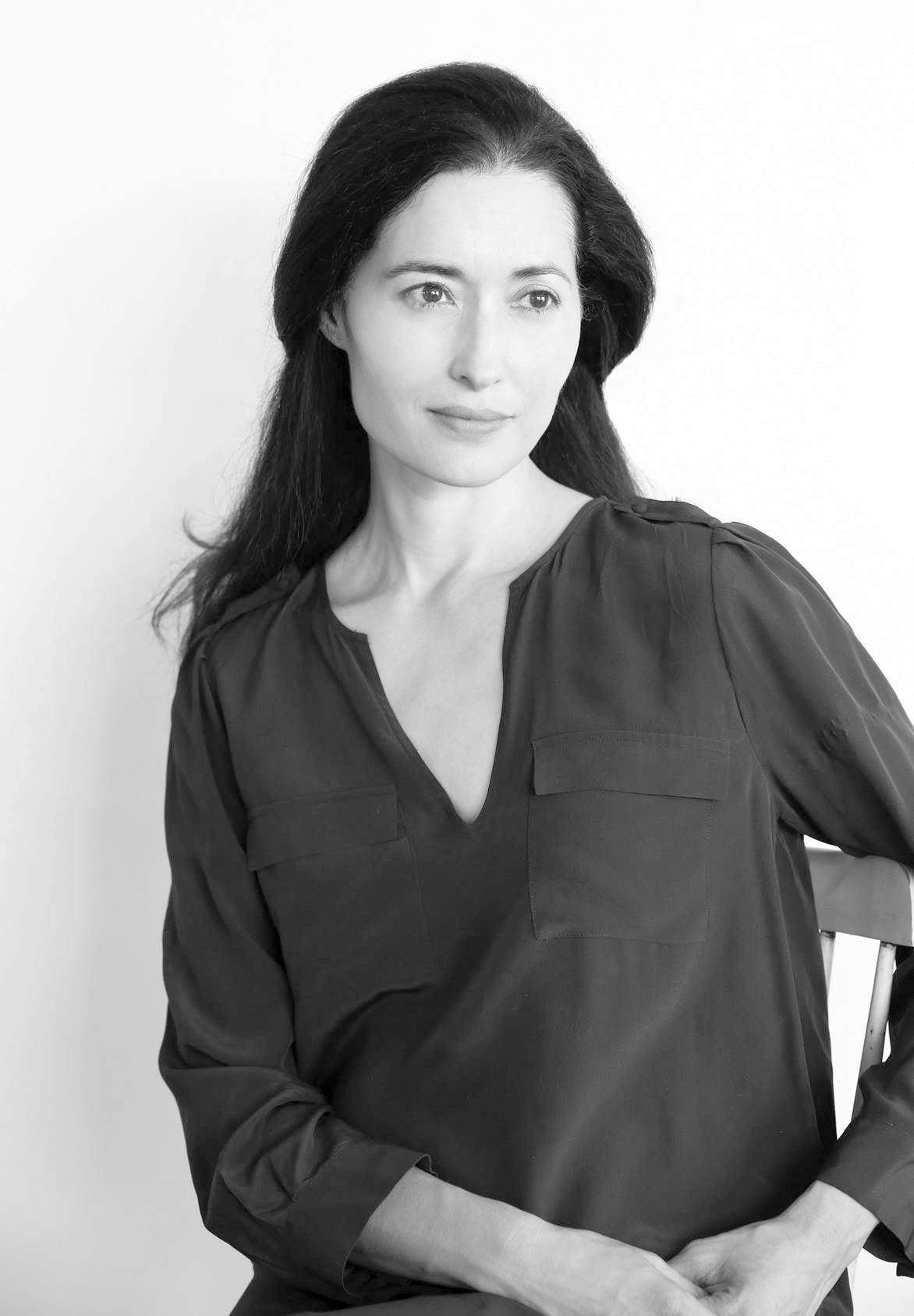
Author Charmaine Craig. Photo by Roy Zipstein

Jewish Journal: The world’s attention has turned to Myanmar because of allegations of ethnic cleansing against the Rohingya minority. Did you intend this book to be timely or political when you started writing it?

Charmaine Craig: I absolutely intended it to be political, because I have known that a lot is going on in Burma the entire time I’ve been writing the book, which is 15 years. There have been waves of genocidal campaigns against different minority peoples in Burma, including the Rohingya, but also some other groups, that entire time.

So I was aware in the last seven years, five years of writing this book of what was going on with the Rohingya — by the way, a situation that goes all the way back at least to the ’30s — and aware of what was going on with the Shan, with the Kachin [other ethnic groups native to Myanmar]. It was important to me while writing the book to give historical context for how Burma ended up, how the mistakes that have been made repeatedly by the West have had historically and continue to have a part in the persecution of Burma’s minority groups.

READ AN EXCERPT: ‘Miss Burma’

JJ: Your grandfather was an English-speaking Jew from Rangoon. How do you relate to your Jewish heritage?

CC: I was in touch in Los Angeles with the Jewish side of my family, but they were sort of second and third and fourth cousins. There was a warm feeling there, a familial closeness, and yet I wasn’t really part of that community, either. I longed to participate, and I think my mother did, and I know my older daughter does. And so there was a generational feeling of being held at bay from the community and not included.

And yet I will say that my husband is very close, as am I, to the Jewish side of his family. So we participate in their rituals and so forth. My older daughter has been asking me if we can start going to synagogue, and it’s a conversation my husband and I have had from time to time.

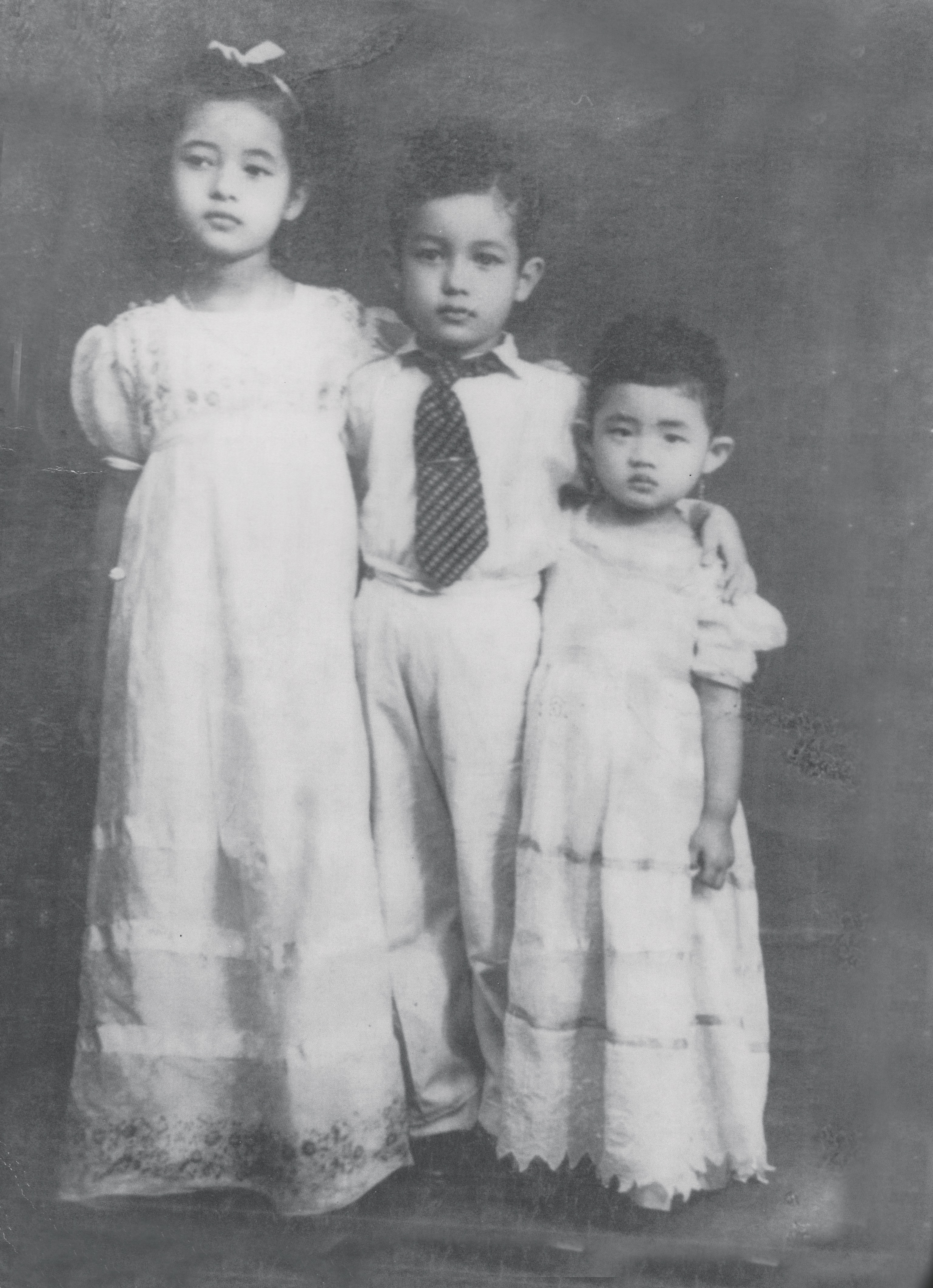
Louisa Benson Craig (far left) with her younger siblings during their childhood in Burma. Photo courtesy of Charmaine Craig


JJ: In the book, you write about an encounter between your grandmother and the rabbi of Rangoon, where she’s discouraged from becoming a Jew. Was that scene in the book informed by your experience of being held at arm’s length from Judaism?

CC: A lot of the conversation that happens in the book came out of my experience of that, to an extent. But more so, it came out of my understanding of the minority peoples of Burma — not the Rohingya, but most of them — being told that they belong explicitly, and yet implicitly that they do not belong. “Here’s the way that you can be a vital and unoppressed member of our society: Assimilate utterly. Stop teaching your languages in your schools. Stop talking about self-determination.”

JJ: Do you ever consider the similarities of the Jewish and Karen experiences, in terms of perpetually homeless, exiled, of being made a stranger? Did that influence your writing at all?

CC: I’m sure it must have. I do want to note that even on the level of creation stories, the Karen faith is very Mosaic. There are startling similarities. I mean, their word for god is Y’wah.

JJ: Are Karens monotheists?

CC: They believe in spirits, so you could say they’re animists, but you could also sort of say they’re monotheists.

The feeling of exile that you mentioned, the feeling of always wandering, perpetually being rootless, perpetually feeling shunned from where you are — my mother in her blood, and in some sense even I felt that here. And so absolutely, to put it in your words, that sense of perpetual homelessness is part of my identity.

Charmaine Craig Ponders Her Mixed Jewish and Karen Heritage in ‘Miss Burma’ Read More »

‘Open Book’ May Rewrite Hersch’s Grammy History

Top contemporary jazz pianist Fred Hersch, who is nominated for two 2018 Grammy Awards, has long channeled his turbulent life into his work. The 62-year-old has faced down sneering disapproval as one of the first openly gay men in jazz. At a gay bar audition, Hersch once had to show how he looked in a tight T-shirt and sing show tunes for the owner.

And he’s battled serious health issues, including AIDS-related dementia and being in a coma for two months in 2008. When Hersch awakened, muscle atrophy prevented him from playing and performing for more than a year.

Hersh reflects some of these troubles on his new CD of solo pieces, “Open Book,” a Grammy nominee for best jazz album. His improvised piece, “Through the Forest,” is full of roiling chords and dissonant accents.

Hersch is a prodigious interpreter of notable composers, including Johnny Mandel, Billy Strayhorn, Rodgers and Hammerstein, and Thelonious Monk. He is known for getting beneath the surface of a tune and revealing something new about it. On Sadik Hakim and Monk’s ballad, “Eronel,” Hersch recasts the tune by displacing the rhythm in a personal way.

Monk’s music, with its knotty themes and compelling rhythms, is a constant for Hersch. “They’re interesting puzzles,” he said in a telephone interview from his New York home. “You can take them apart and reassemble [them] in surprising ways. Each one is a great set of metrics to improvise on, and they contain potential for all kinds of dancing figures and rhythms.”

Hersh, who began playing the piano at age 4 while growing up in Cincinnati, had a German-Jewish grandmother from Selma, Ala., where her husband was the mayor.

“I was raised Jewish,” he said. “But I’ve become a practicing Buddhist. …  My Jewishness is more of a social construct than religion.”

Hersch is known for getting beneath the surface of a tune and revealing something new about it.

As a young pianist, Hersh attended the New England Conservatory, then moved to New York. He found jazz through personal inquiry.

“In Cincinnati, I didn’t know anyone who taught jazz,” he said. “I had to figure it out and I had to find it. But the older jazz musicians couldn’t have been nicer to me. They gave me tough love but they always supported me.”

Hersch’s well-received book, “Good Things Happen Slowly: A Life In and Out of Jazz” (Crown Archetype, 2017), also is filled with personal disclosure and anecdotes. He recounts how, as a young musician, he took a $50-a-night job that began at 4 a.m., describing it as “rough on the system.” He adds, “More than once, I ended up spending the $50 on coke to get me through the gig.”

“I recorded that long improvisation ‘Through the Forest’… [as] a companion piece to my memoir,” Hersch said.  “I wanted it to be similarly open.”

After a dozen Grammy nominations since 1993 but no wins, Hersch is pragmatic about his chances this year. “It gives my agent and manager something to talk about,” he said. “Does it mean that I’m in the top five jazz pianists in a given year? Who knows?”

The Grammy Awards will take place on Jan. 28 in New York, but Hersch will not attend, since his trio of nine years will be in Costa Rica.

“We’ll check up on the Grammys from there,” he said.

‘Open Book’ May Rewrite Hersch’s Grammy History Read More »

Hello, Beanie: Feldstein Having a Moment With ‘Dolly’ and ‘Lady Bird’

Feldstein’s older brother Jordan Feldstein died on Dec. 22 of a heart attack at age 40. He worked as a talent manager in the music industry.

Actress Beanie Feldstein recalled that her bat mitzvah — which, of course, had a theater theme — took place 10 years to the day prior to the release of her cinematic debut, the 2016 Seth Rogen comedy “Neighbors 2: Sorority Rising.” In that film, she plays a hard-partying freshman sorority girl, a very different role than her current one in “Lady Bird.”

“Lady Bird,” a coming-of-age story, follows a Catholic high school senior, played by Saoirse Ronan, who cannot wait to leave her hometown of Sacramento for New York. Feldstein portrays the title character’s theater-loving best friend.

“Lady Bird” earned Oscar buzz as well as four Golden Globe nominations, including best picture in the comedy or musical category.

Feldstein said she also was grateful for the opportunity to portray her first dramatic role.

“I loved ‘Lady Bird’ so much because it [drew on] a much more vulnerable side of me than I was asked to bring forward [previously],” she said. “I was so nervous and excited to tap into that side of myself, after doing things more strictly comedic.”

Feldstein, 24, spoke to the Journal from New York while in the midst of her show business breakthrough moment, thanks to “Lady Bird” and her current Broadway role as shopgirl Minnie Fay opposite Bette Midler in the musical “Hello, Dolly!”

Feldstein’s acting career perhaps was inevitable. … One of her brothers is actor Jonah Hill, who is nine years older.

“I just feel so incredibly grateful,” she said. “I can’t believe this is all happening. Broadway is such a beautiful community, both with the people who do it and the people who go see it. [It’s] been such an exceptional experience getting to enter that beautiful world. And the reception of the film has just been — I’m, like, smiling so wide right now.”

Feldstein’s acting career perhaps was inevitable. She was raised in West Los Angeles by a mother who is a costume designer and a father who is an entertainment accountant. One of her brothers is actor Jonah Hill, who is nine years older. In a recent interview with the Los Angeles Times, she said she never felt competitive with Hill as she had grown up with
theater ambitions, not film. Her other brother, the late Jordan Feldstein, died last month.

At age 2, her favorite movie was “Funny Girl,” in which Barbra Streisand plays theater and film actress Fanny Brice. For Feldstein’s third birthday, her mother made her a replica of Brice’s leopard coat and hat from the film.

Feldstein’s summers were spent at the esteemed theater camp Stagedoor Manor. Throughout her childhood and into young adulthood, she also performed in multiple shows every year.

“It was pretty clear I had a love for musicals and dressing up and all that stuff,” she said.   “I just fell in love. I was obsessed. It brought me joy.”

Feldstein’s real first name is Elizabeth. She got her nickname from a British nanny who called her ‘Elizabeanie.’ Her brothers ran with it and called her ‘Beanie.’ The name stuck.

Her love of singing comes from her father, Richard, who plays guitar when not crunching numbers for professional musicians.

Feldstein brought that passion to her synagogue, Temple Emanuel of Beverly Hills. Growing up, she said, she sang as a junior cantor on Yom Kippur, and she performed the blessing “Sim Shalom” with the temple’s former cantor, Yonah Kliger.

“I know this was a dream of hers from the time she was a little girl. And to see her fulfilling that dream is a very special thing, especially as one of her teachers,” said Kliger, who officiated her bat mitzvah.

Feldstein attended high school at the prestigious Harvard-Westlake School, where one of her classmates was Ben Platt, who won the 2017 Tony Award for best lead actor in a musical for his starring role in “Dear Evan Hansen.” The two remain close friends and have been a support network for each other in New York.

And she described his mother, Julie Platt, the board director of The Jewish Federation of Greater Los Angeles, as a “second mom.”

Feldstein left Los Angeles after high school and attended Wesleyan University in Middletown, Conn., where she graduated with a sociology degree in 2015.

In college, she focused on writing. Feldstein recently returned to the medium after publishing an essay about her weight for Refinery29, a digital media platform for young women. In the piece, titled “Please Stop Complimenting Me on My Body,” she discusses how she struggled with her weight when she was younger but ultimately came to terms with her physique. Now that she has lost weight due to the physical demands of being on Broadway, people are giving her uninvited compliments.

“I was naturally a little bit nervous to put something so personal out there, but it’s been a very loving experience,” she said of publishing the essay. “I hope to write more.”

“Lady Bird’s” message of not being appreciative of home until one has left it behind has resonated with Feldstein. The movie’s writer-director, Greta Gerwig, “so beautifully captures that moment of just starting to appreciate your home as you are about to leave it,” Feldstein said.

She recalled Gerwig instructing her, “ ‘I wrote this girl, but you’re the person who’s going to fill her up and … bring her to life.’ ”

“My dream would be to be mentored by Greta, and I’m sure she would read anything I have to write because we have become very close,” Feldstein said.

While her circumstances have changed a lot over the course of the year, Judaism continues to play an important role in her life.

“I think we’re a very culturally Jewish family, and … there is a beautiful sense of community in Judaism,” Feldstein said. “I love that.”

Hello, Beanie: Feldstein Having a Moment With ‘Dolly’ and ‘Lady Bird’ Read More »

Yeastie Boys Rolls Out Bagels With Attitude

Evan Fox, 32, grew up in Arizona, but in his early 20s spent enough time in New York to fall in love with that city’s bagels. When he moved to Los Angeles half a dozen years ago, he looked for a facsimile but was left wanting.

Three years ago, Fox decided he would introduce New York bagels to Los Angeles. He would make them here and create not just the product but the whole vibe. It was an audacious idea, considering Fox wasn’t a chef or restaurateur. He had waited tables and bartended, and his aunt had married the son of Reuben sandwich creator Reuben Kulakofsky, but certainly none of that made him a bagel expert.

“I’m just a fat kid that loves food,” he said.

Fox, who is Jewish, partnered with a chef friend who started toying with recipes. The objective: devising a bagel with a lot of flavor and a little bit of chewiness that also was plump. Fox secured the Yeastie Boys name — an homage to celebrated hip-hop group the Beastie Boys — and debuted his company at the Coachella Valley Music and Arts Festival in 2015.

“I like to be on the road. The street game is my vibe.”

— Evan Fox

Fox said preparing for Coachella was “the worst experience of my life … brutal.” He and his then-business partner and a bunch of friends gathered in a rented Hollywood kitchen and hand-rolled 10,000 bagels over the course of two weeks leading up to the festival. Despite such production challenges, the reception Yeastie Boys received at Coachella was very positive, Fox said.

About a week after the festival, the Yeastie Boys food truck hit the streets of Los Angeles for the first time, mainly doing a circuit of coffee shops downtown, in Silver Lake and in West Hollywood, where Fox lives.

Yeastie Boys (yeastieboysbagels.com) is mainly a bagel sandwich shop on wheels, with its slogan emblazoned on its truck: “Bagels — Lox — Shmear — Other S—.” You can get a plain bagel and shmear ($4), but most of its offerings are over the top and far from classic. Some might even call its menu items blasphemous. “The Game Over,” for example, features scrambled eggs, tomato, peppered bacon and cream cheese flavored with homemade beer cheese and flecked with jalapeño, all on a chewy cheddar bagel. (Some customers skip the bacon.) Another offering, with a name not fit for print, stars sliced bananas and Nutella. Specials sometimes include a matcha-green-tea cream cheese, vanilla-chai cream cheese, even red-wine-and-cherry cream cheese. Of the bagels, the one with the most photos on Instagram is the Hot Cheetos special — a fiery red looker enrobed in, you guessed it, crushed Flamin’ Hot Crunchy Cheetos.

Although Fox is very hands on — he is on the truck almost every day — there is one thing he no longer does: hand-roll the bagels. He has contracted the job of producing the bagels, but still using the Yeastie Boys signature recipes.

As for what’s next, Yeastie Boys’ reported plan for a brick-and-mortar location is being shelved, at least for the time being. Instead, Fox intends to roll out a second truck soon to meet the considerable demand.

He said he will keep doing the coffee shop circuit and big music shows and festivals where Yeastie Boys has become something of a fixture. He also will continue to do collaborations with musicians, like those he has done with two Los Angeles-area rappers. And he plans to keep pushing the boundaries of what a bagel can be.

“I like to be on the road,” Fox said. “The street game is my vibe. I like pulling up to different neighborhoods on different days.”

Yeastie Boys Rolls Out Bagels With Attitude Read More »

Helping People Navigate Infertility

At age 30, Los Angeles marriage and family therapist Carole Lieber Wilkins was diagnosed with premature ovarian failure. She now counsels others dealing with fertility challenges.

“Very few things in the world are as isolating as infertility,” Lieber Wilkins said. “Depression levels have been identified as equal to cancer patients and HIV patients.”

What makes matters worse, she said, is that in certain communities infertility isn’t talked about. And when it is, people might offer unhelpful advice or insensitive comments, such as: “Just relax.” “Pray.” “It’s God’s will.” “You’re too stressed.” Lieber Wilkins said people should ask: “How can I help?” “What do you need?” “How do you feel?” “What is the experience like?”

On a recent Sunday morning, Lieber Wilkins was one of the speakers at an event where about two dozen Jewish women, most in their 20s and 30s, gathered to learn about infertility — its myriad causes, how to support friends and family members struggling with it, how devastating a diagnosis can be, and the approaches some people take in response to a diagnosis.

“Very few things in the world are as isolating as infertility.” — Carole Lieber Wilkins

Although infertility is difficult under any circumstances, Jews face additional stress when navigating infertility, said Gila Block, executive director and founder of Yesh Tikva, the organization that organized the free event. That stress, she said, comes from the communal pressure to have a family and pass along tradition to the next generation. In addition, she said, many Jewish rituals revolve around children, which can make people feel excluded when they are struggling to build a family.

Block, 29, started Yesh Tikva — which means “there is hope” in Hebrew — with the help of four other women in New York in 2015 during her struggle with infertility. The national organization is run by volunteers. Block returned to her native Los Angeles in 2016 after nine years on the East Coast. She is a behavioral therapist.

While Yesh Tikva (yeshtikva.org) initially served only the Orthodox Jewish community, Block said she and fellow organizers realized the need for infertility resources across Jewish denominations. Today, Yesh Tikva provides education, emotional support and peer counseling to anyone in the Jewish community. Some 200 individuals have received individual support from the organization, and more people have attended its special events such as the recent panel discussion. Yesh Tikva also provides support services for men, although women are more likely to seek help, Block said.

Dr. Diana Chavkin, a fertility specialist with HRC Fertility, co-host of the recent event, talked about the medical definition of infertility: For women younger than 35, it’s the inability to conceive after a year of trying; for women older than 35, it’s after six months of trying. Chavkin also reviewed many of the causes of infertility and medical interventions available.

Jennifer Siegel, a genetic counselor with Sema4, a venture of the Mount Sinai Health System and a sponsor of the event, talked about the importance of carrier screenings to detect genetic mutations before trying to conceive.

Yesh Tikva hosts a free monthly support group in Los Angeles for women navigating infertility. It also can connect individuals with peer mentors or other individuals in a similar situation.

One in 8 men and women in the Jewish community, as in the world at large, face infertility, Block said.

“A big part of the pain of going though infertility is people not understanding what you are going through and unintentionally saying something hurtful,” she said. “We’re looking to take away the unnecessary comments like, ‘How many children do you have?’ when you first meet someone. This can be such a painful question to be asked.”

“The reason why [we did] this event, and the premise of everything we do, is education.”

Helping People Navigate Infertility Read More »