fbpx
[additional-authors]
January 8, 2020

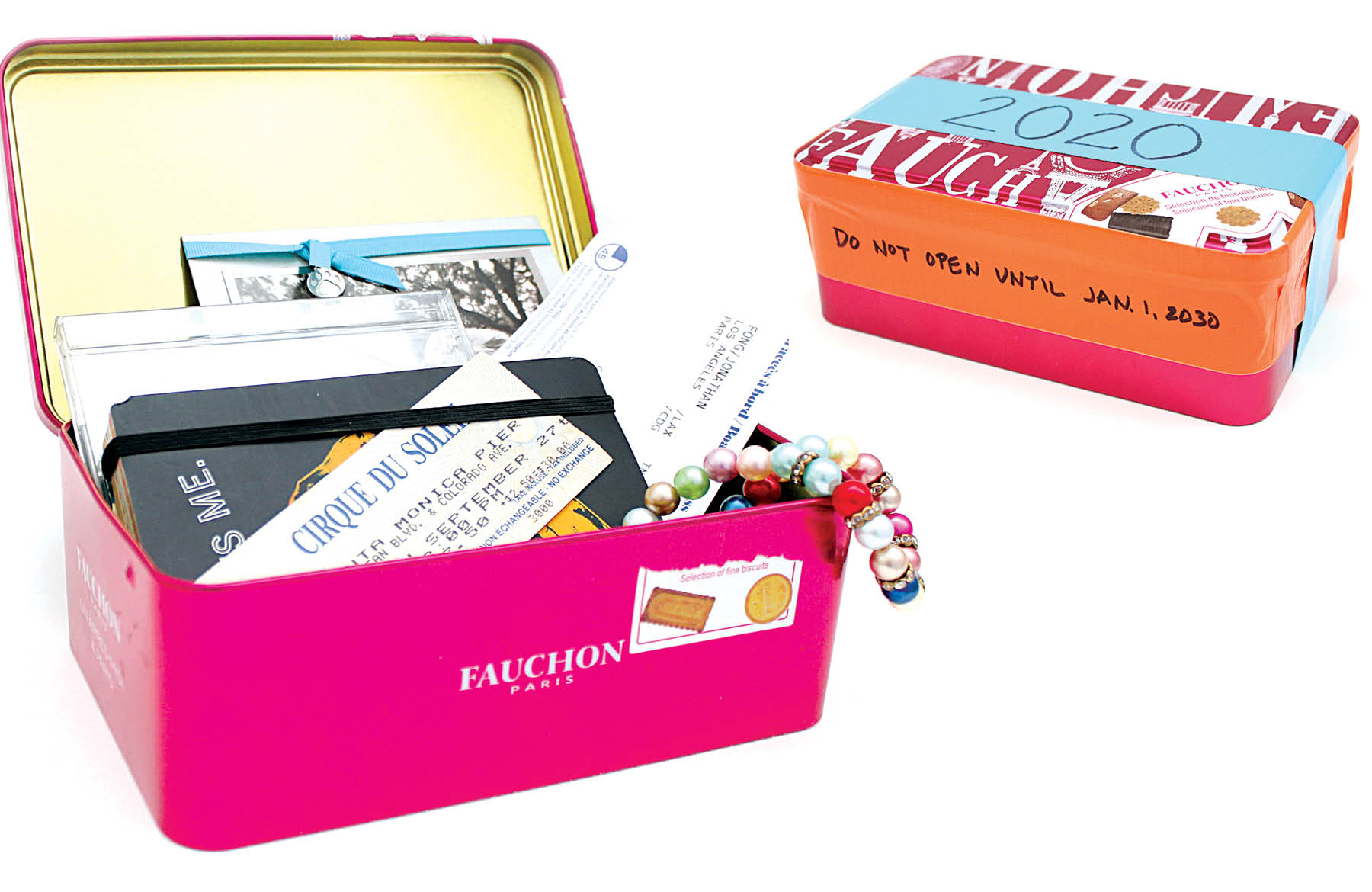
While I was visiting my mom over the winter break, she had me go through old boxes of mine in the garage that had not been touched since my college days. I had a wonderful trip down memory lane as I rediscovered photos, letters from friends, party invitations and former class assignments. Even the tiniest, seemingly insignificant jotting on a piece of paper held sentimental value. If only I had kept mementos from every period of my life.

As the decade of the 2020s begins, I thought it would be as good a time as any to start a tradition of creating time capsules — boxes filled with reminders of the past year. This would be a great activity for young and old alike, and you can fill your capsule with whatever is important to you. Include a CD of your favorite songs, a journal or appointment book, ticket stubs, greeting cards, boarding passes, newspaper clippings or even pay stubs. A nifty idea would be to write a letter to your future self, sharing your hopes for the years to come.

What you’ll need:
Cookie tin
Mementos
Duct tape
Marker
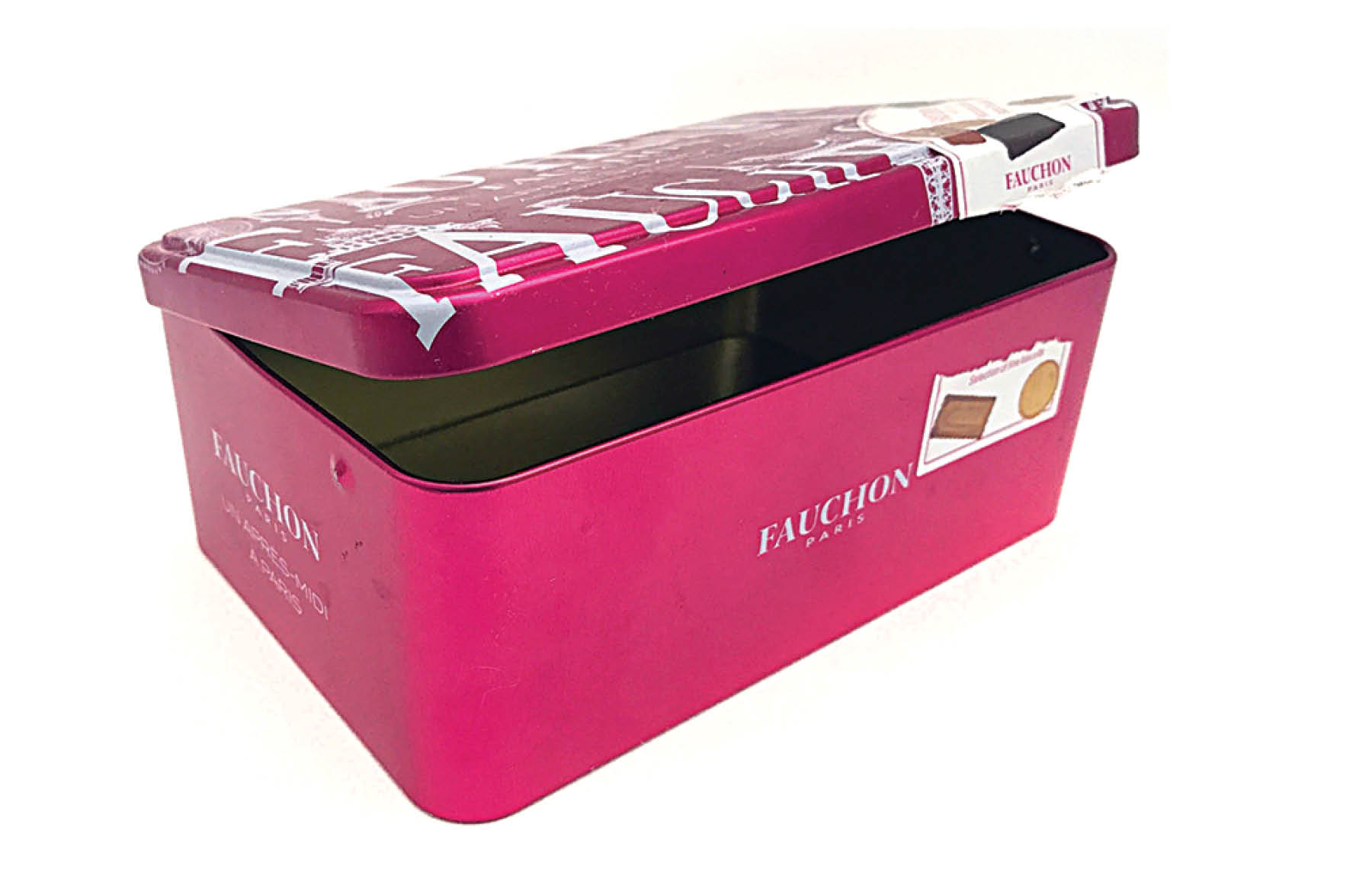
 

1. A cookie tin is an ideal container for your time capsule, as it is much sturdier than a cardboard box. (This project is a great excuse to eat cookies so you can get the tin.)
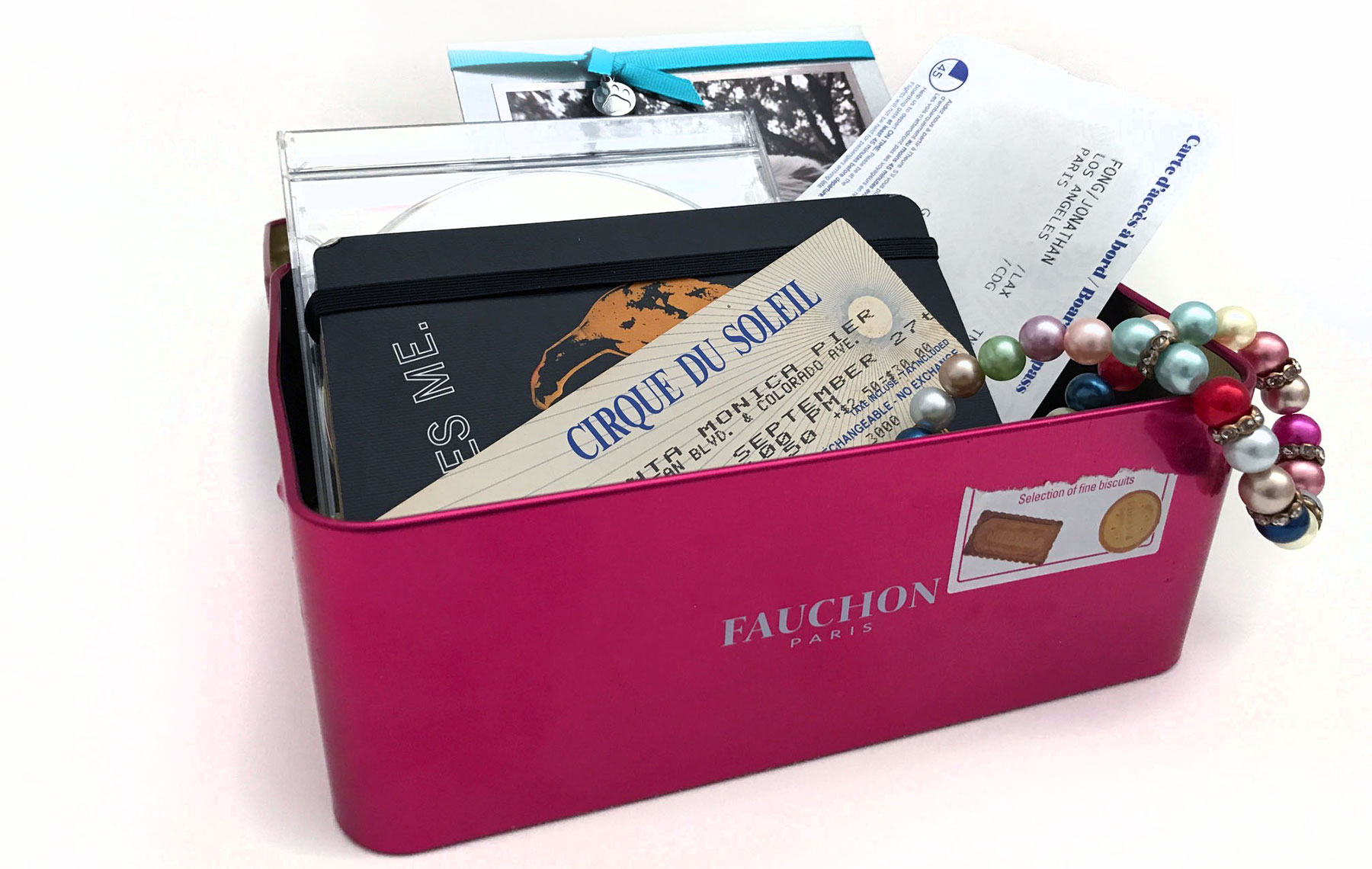
 

2. Fill the tin with all the mementos you wish.
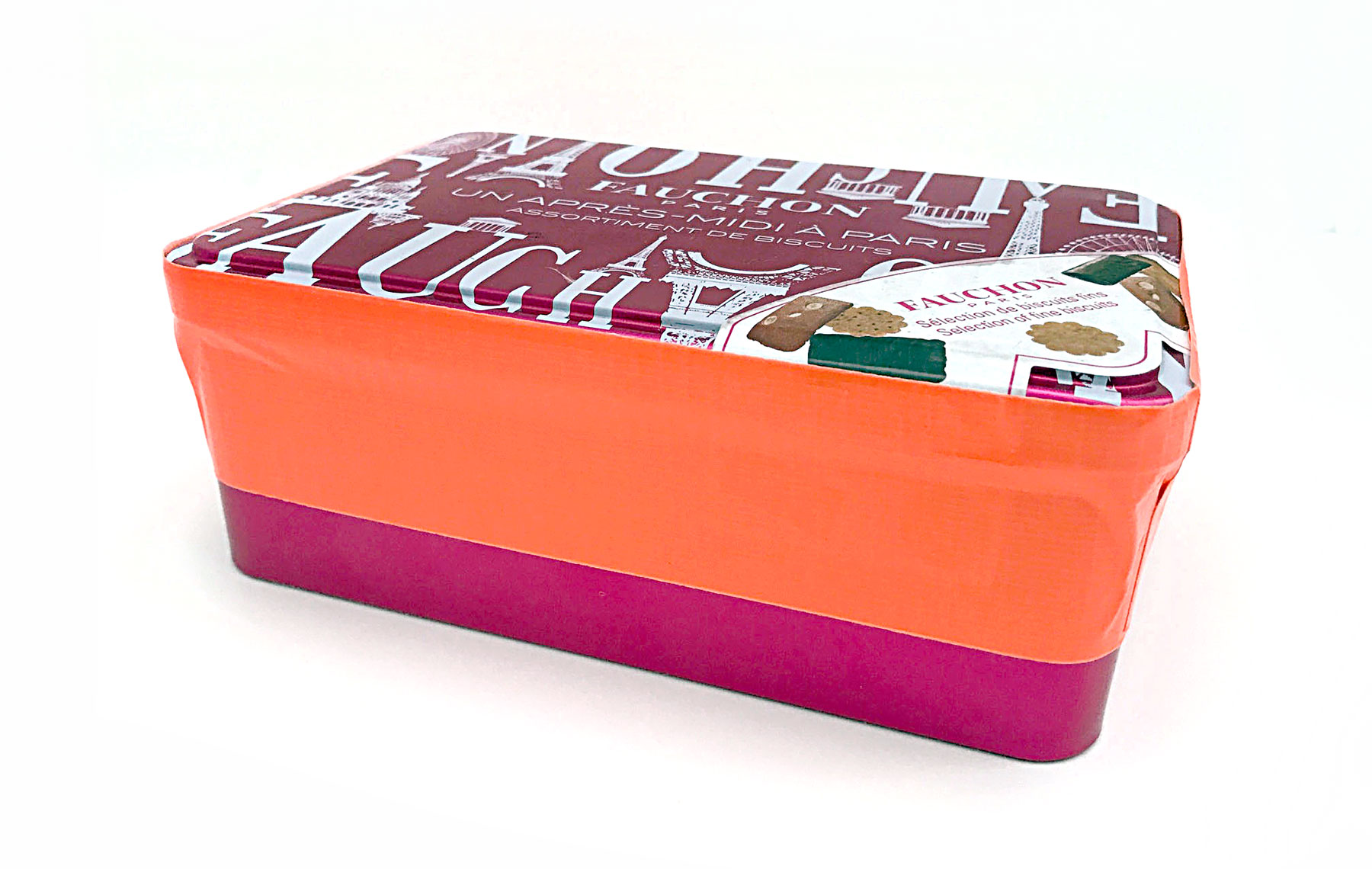
 

3. Seal the lid shut with duct tape so you aren’t tempted to peek in through the years.
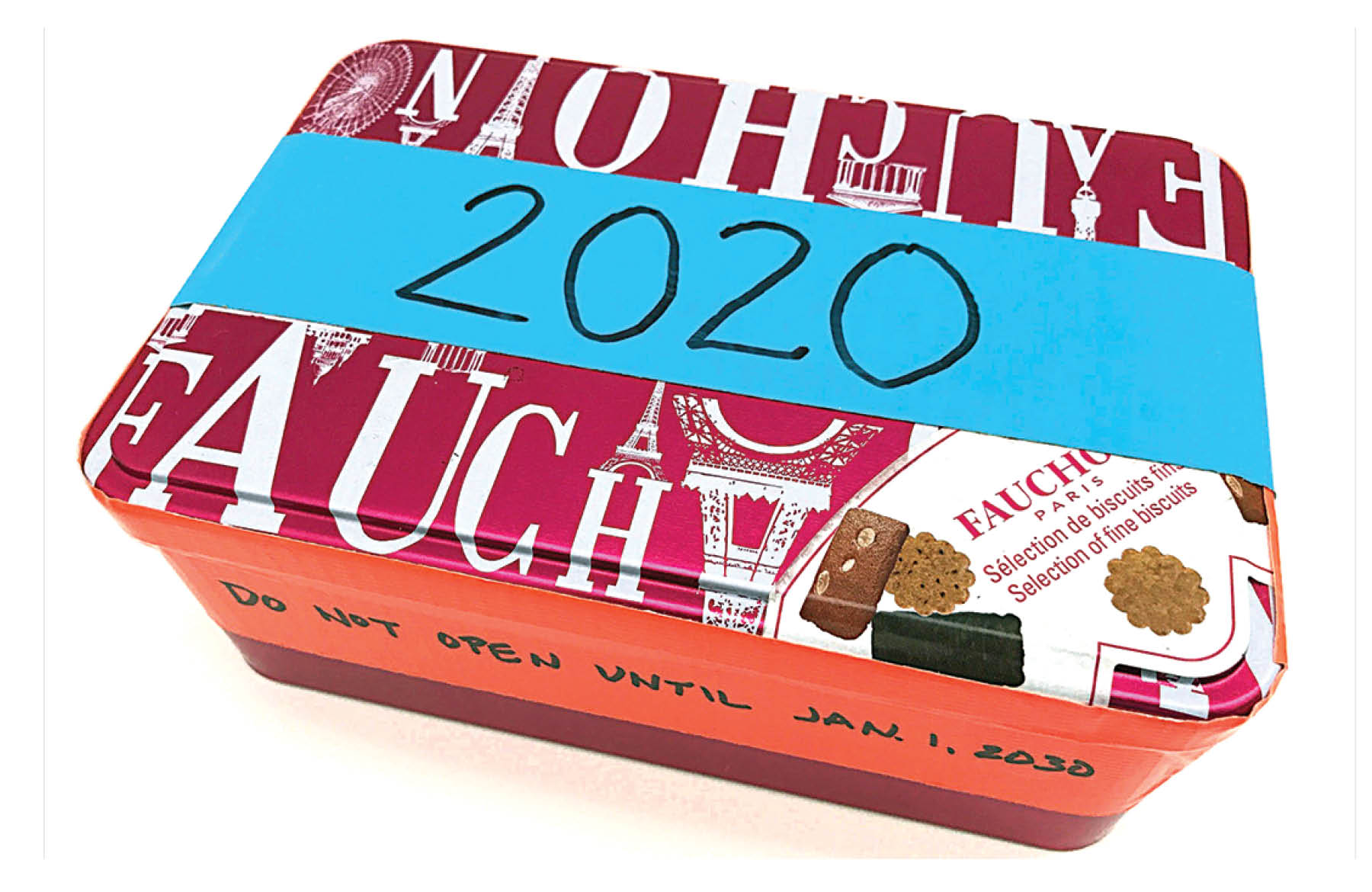
 

4. With a marker, write down the current year and the date you want to open the time capsule.


Jonathan Fong is the author of “Flowers That Wow” and “Parties That Wow,” and host of “Style With a Smile” on YouTube. You can see more of his do-it-yourself projects at jonathanfongstyle.com.


Did you enjoy this article?
You'll love our roundtable.

Editor's Picks

Latest Articles

Post-Passover Pasta and Pizza

What carbs do you miss the most during Passover? Do you go for the sweet stuff, like cookies and cakes, or heartier items like breads and pasta?

Freedom, This Year

There is something deeply cyclical about Judaism and our holidays. We return to the same story—the same words, the same questions—but we are not the same people telling it. And that changes everything.

A Diary Amidst Division and the Fight for Freedom

Emma’s diary represents testimony of an America, and an American Jewish community, torn asunder during America’s strenuous effort to manifest its founding ideal of the equality of all people who were created in the image of God.

More than Names

On Yom HaShoah, we speak of six million who were murdered. But I also remember the nine million who lived. Nine million Jews who got up every morning, took their children to school, and strove every day to survive, because they believed in life.

Gratitude

Gratitude is greatly emphasized in much of Jewish observance, from blessings before and after meals, the celebration of holidays such as Passover, a festival that celebrates liberation from slavery, and in the psalms.

Freedom’s Unfinished Journey

The seder table itself is a model of radical welcome: we are told explicitly to invite the stranger, to make room for those who ask questions and for those who do not yet know how to ask.

Thoughts on Security

For students at Jewish schools, armed guards, security gates, and ID checks are now woven into the rhythm of daily life.

Can Playgrounds Defeat Antisemitism?

The playground in Jerusalem didn’t stop antisemitism, and renovating playgrounds in New York City is not likely to stop it there, either — because antisemitism in America today is not rooted in a lack of slides or swings.

More news and opinions than at a Shabbat dinner, right in your inbox.