For the past several years, I’ve traveled around the United States as an advocate, speaking about my family’s story of exile from Iraq and Tunisia and its journey home to Israel. I visit schools, temples, community centers, LGBTQ groups — you name it.
After each talk, listeners tell me that their knowledge about the Mizrahi community was limited before hearing me. Although Mizrahim make up 60% of Israel’s Jewish population today, even devoted Zionists entrenched in Israel’s policies know little about the largest demographic living there.
Leaving the story of Mizrahi Jews out of pro-Israel advocacy is a mistake. Jews from the Middle East and North Africa — and our story of survival — are the greatest threat to anti-Zionism. That’s why anti-Zionist groups are so intent on harassing and silencing us.
This proved particularly true recently when I was targeted by an anti-Semitic group of anti-Zionists at Vassar College. I was there to give a talk titled: “The Indigenous Jews of the Middle East: Forgotten Refugees.”
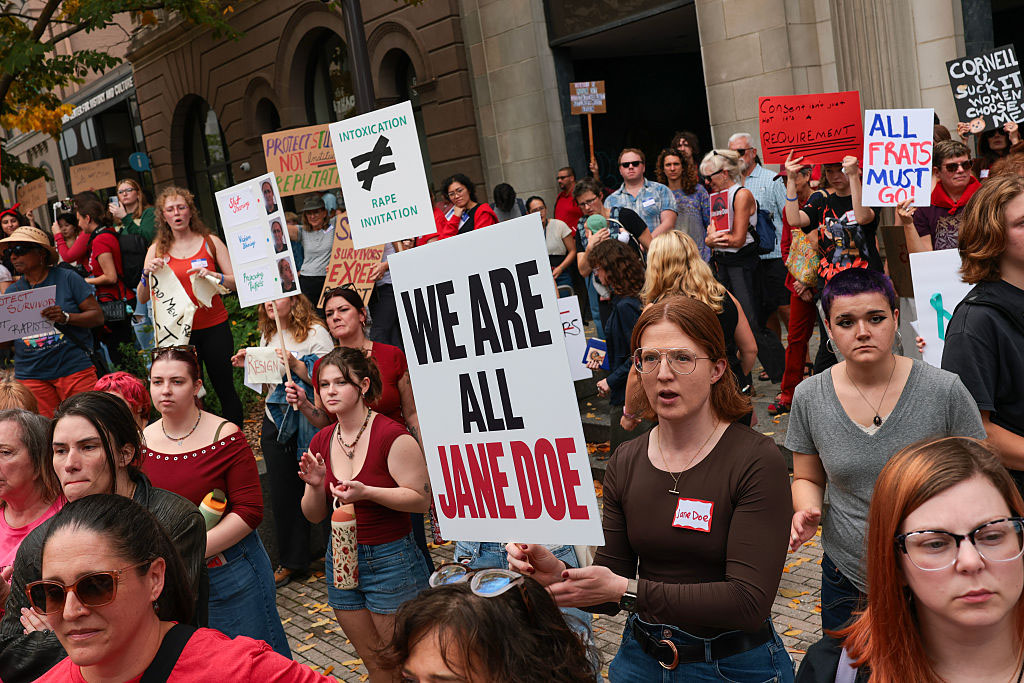
As soon as I arrived at the on-campus venue, I was greeted by protesters. As a staunch supporter of free speech, I invited them to join the talk and ask me the hard questions.
Instead of discussing their concerns with me, they decided to scream over me. One said she decided to oppose me telling my story because she’s a “white queer Jew.” Another claimed they were protesting me telling the story of Mizrahi refugees as a means of fighting white supremacy.
It’s ironic because I was there to speak about how my grandmother narrowly survived the Farhud, a catastrophic event in which the Iraqi government collaborated with Hitler’s white supremacist regime and killed around 280 Jews in two days. To put this in perspective, British newspaper The Guardian reported in August that more than 175 people have been killed worldwide by white nationalists in the past eight years.
“My talk was titled “forgotten refugees” for a reason. Too often Mizrahi history is excluded from Jewish memory. But anti-Zionists, whose narratives of white saviorism are disrupted by our mere existence, actively work to keep us forgotten.”
In their quest to “fight white supremacy,” these students at Vassar chose to shout over me during my presentation about the anti-Semitic supremacy that my family has endured. It’s not lost on me that they chose to chant, “From the river to the sea, Palestine will be free” — a slogan often employed by members of Hamas when they call to ethnically cleanse Jews with the same fervor as white nationalists.
As I tried to honor the memory of my great-grandfather, who was hanged by anti-Zionists in Baghdad, anti-Zionist students called for the murder of the world’s largest Jewish population.
Yes, I do say murder, which is what the destruction of Israel means for Middle Eastern Jews. When my grandparents sought asylum in the United States in 1951, America declined to provide them sanctuary. Their only refuge was Israel. To Iraqi Jews, being Zionists wasn’t a political decision — it was either that or death.
People often claim these incidents are not anti-Semitic, especially when Jewish people participate in them. One Jew involved in the protest was an American Jew with European roots. Like most with her background, I’m sure she’s never even heard of the Farhud.
She and other anti-Israel Jews seem to assume that because they personally do not need Israel to survive, my family should not either.
It’s much easier to vilify Israel as a white settler colonial state when you ignore and then actively silence the Middle Eastern Jews who live there. Zionism is the reason we are alive. For us, anti-Zionism isn’t just a hip political stance — it’s a call for our certain deaths.
According to recent Gallup polling, only 5% of American Jews are not generally supportive of Israel. However, their voices are often amplified by the likes of Reps. Alexandria Ocasio-Cortez (D-N.Y.), Ilhan Omar (D-Minn.), and Rashida Tlaib (D-Mich.), who publicly support anti-Israel groups such as Jewish Voice for Peace and IfNotNow.
However, these organizations have been widely criticized for marginalizing Jews of color. In January, JIMENA, a nonprofit that represents Jews indigenous to the Middle East and North Africa, along with a coalition of Sephardic and Mizrahi organizations, have openly denounced Jewish Voice for Peace’s (JVP) anti-Zionism.
The communal letter asserted that JVP’s literature “tokenizes, appropriates, revises and explicitly lies about Mizrahi and Sephardic history and experiences in order to promote a hostile, anti-Israel agenda.” Mizrahi and Sephardic Jews not only demanded that the most well-known anti-Zionist Jewish group remove any reference to our history in its texts, but that it “stop in their failed attempts to represent Mizrahi and Sephardic Jews, in any capacity.”
One million Middle Eastern Jews were exiled from their homelands and 650,000 of us found sanctuary in Israel. Talks like the one I gave at Vassar bring to light that reality and that anti-Zionist groups do not value our voices nor safety.
My talk was titled “forgotten refugees” for a reason. Too often Mizrahi history is excluded from Jewish memory. But anti-Zionists, whose narratives of white saviorism are disrupted by our mere existence, actively work to keep us forgotten. If they don’t chant outside so loudly that no one can hear our voices, they will be forced to admit that their movement is a fraud.
Anti-Zionism, which is distinctly different than advocating for Palestinian rights, isn’t about protecting marginalized communities. It’s about silencing us — and any other threat.
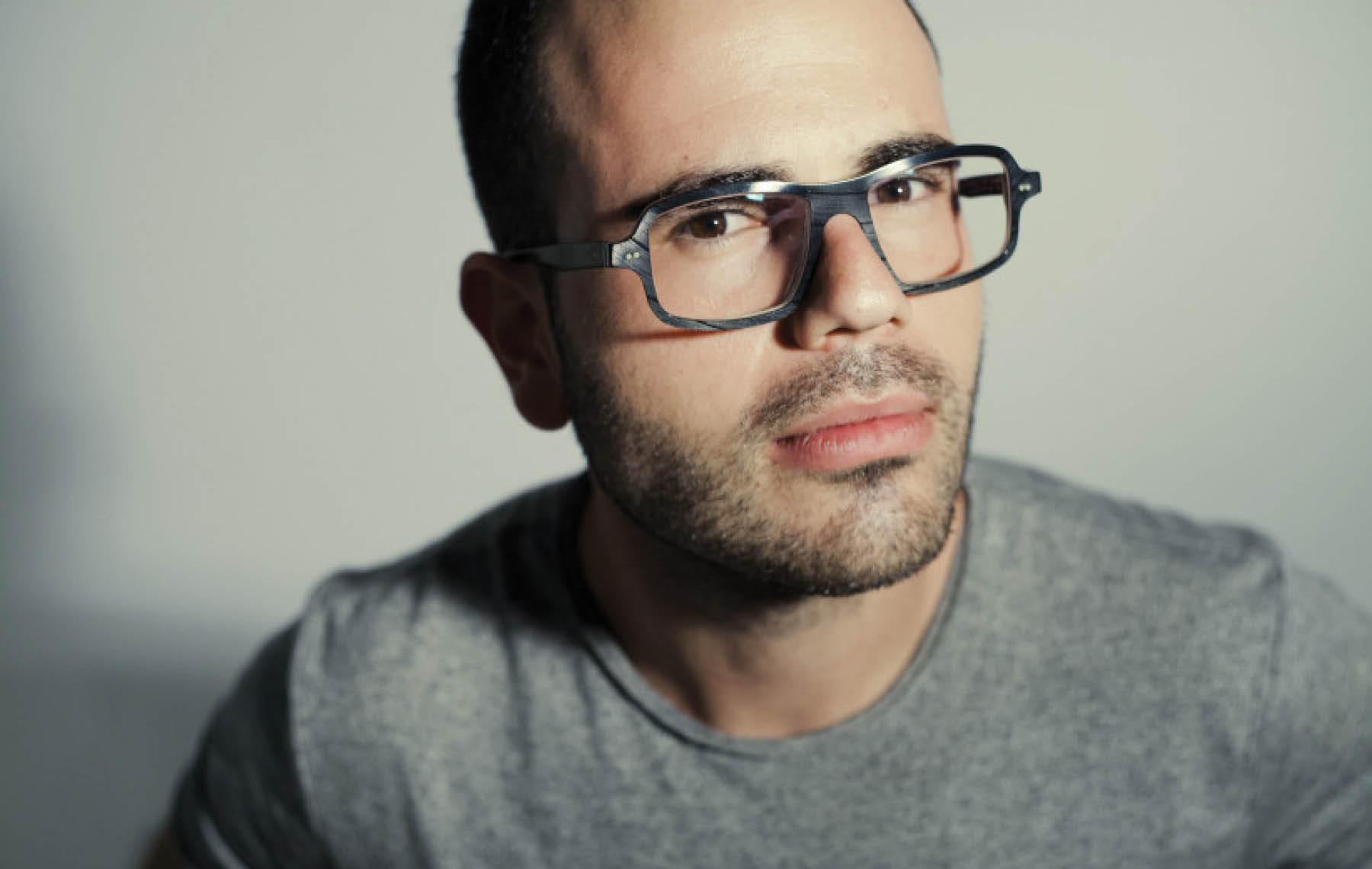
Hen Mazzig is an Israel-based writer, international speaker and a social activist from Tel Aviv. Follow him: @HenMazzig.